Singapore is globally recognized for its advanced vision care and top-tier ophthalmologists. Six local specialists were recently featured in The Ophthalmologist Power List 2023, showcasing the country’s excellence in this field.
Patients benefit from cutting-edge treatments like minimally invasive glaucoma surgery (MIGS) and the Paul Glaucoma Implant, both pioneered here. Over 35% of specialists trained through international fellowships, ensuring world-class expertise.
Clinics such as Novena Specialist Centre offer same-day appointments for urgent needs. Services range from pediatric care to complex surgeries, backed by ongoing research and innovation.
Key Takeaways
- Singapore hosts award-winning eye specialists.
- Advanced treatments like MIGS are available locally.
- 35% of professionals trained globally for enhanced skills.
- Quick appointments at major clinics ensure timely care.
- Comprehensive services cover all ages and conditions.
Why Singapore is a Hub for Top Eye Care Professionals
Singapore’s reputation in ophthalmology is backed by international accolades and rigorous training programs. The city’s health system consistently ranks among the world’s best, with Bloomberg’s 2023 Index placing it second for efficiency.
Global Recognition of Local Experts
Six specialists earned spots on The Ophthalmologist Power List 2023, a testament to their groundbreaking work. Their contributions range from glaucoma innovations to pediatric care advancements.
World-Class Training and Adaptations
Every public hospital ophthalmologist completes overseas fellowships, like those at Moorfields Eye Hospital. Dr. Chelvin Sng, trained in the UK, exemplifies this global recognition. Techniques are tailored for Asian anatomy, improving surgical precision.
- Research partnerships (e.g., NUH and Eagle Eye Centre) drive new treatments.
- Mandatory fellowships ensure specialists master global best practices.
- Local clinics integrate Western methods with regional needs.
How to Choose the Best Eye Doctor in Singapore
Your choice of an ophthalmologist can significantly impact your treatment outcomes. With Singapore’s advanced healthcare system, patients have access to highly trained doctors, but knowing how to evaluate them ensures you receive optimal care.
Factors to Consider When Selecting an Eye Specialist
Several factors determine a specialist’s suitability for your needs. Start by confirming their registration with the Singapore Medical Council and checking for subspecialty certifications. Fellowship training at institutions like the Royal College of Ophthalmologists often indicates advanced expertise.
Clinic capabilities also matter. For example, facilities offering OCT angiography or glaucoma treatments like MIGS demonstrate cutting-edge resources. Patient reviews on the MOH Healthcare Institution Portal provide real-world insights into service quality.
Understanding Credentials and Specializations
Look for credentials tied to specific procedures, such as SMILE Pro laser surgery certifications. Many top specialists in Singapore undergo rigorous international training, ensuring they master the latest techniques. This is especially important for complex conditions requiring tailored approaches.
Always verify the clinic’s accreditation and technology. Centers like Eagle Eye Centre are known for integrating advanced diagnostics with personalized care plans.
Top Eye Specialists in Singapore You Should Know
Four-time awardee Dr. Chelvin Sng exemplifies Singapore’s excellence in eye care. Her pioneering work in minimally invasive glaucoma surgery (MIGS) and the Paul Glaucoma Implant (PGI) since 2015 has transformed treatment options. Recognized globally, she’s a rare female ophthalmologist named to *The Ophthalmologist* Top 100 Power List four times and honored with the APAC Ophthalmology Innovator Award.
Dr. Chelvin Sng and Her Contributions to Ophthalmology
Dr. Sng’s research focuses on tailoring glaucoma treatments for Asian patients, improving outcomes. Her PGI implant reduces complications, offering a safer alternative to traditional methods. Clinics like Adler Eye Centre leverage her techniques, blending innovation with patient-centered care.
Other Notable Ophthalmologists in Singapore
Prof. Wong Tien Yin advanced diabetic retinopathy screening, preventing vision loss through early detection. At KKH, Dr. Lee Jong Jian specializes in pediatric conditions, while SNEC’s Dr. Gemmy Cheung leads macular degeneration research. These female ophthalmologists highlight Singapore’s diverse expertise.
- Dr. Chelvin Sng: MIGS and PGI innovations for glaucoma.
- Prof. Wong Tien Yin: Diabetic retinopathy breakthroughs.
- Dr. Lee Jong Jian: Pediatric eye care at KKH.
- Dr. Gemmy Cheung: Macular degeneration research at SNEC.
Comprehensive Eye Care Services Available
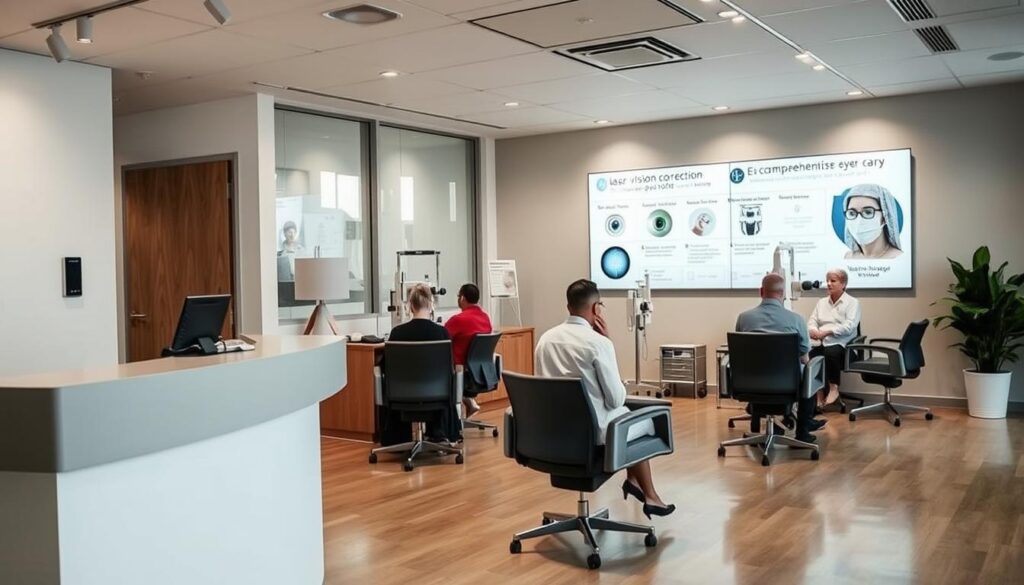
Singapore’s healthcare system offers a wide range of specialized eye care solutions for every need. From basic vision tests to advanced surgical interventions, clinics like the National University Hospital (NUH) provide full-spectrum services tailored to individual conditions.
Routine Eye Exams and Screenings
NUH’s $5M retinal imaging suite detects abnormalities with 10-micron resolution, ensuring early diagnosis of conditions like glaucoma. Community centers complement this with free diabetic retinopathy screenings, a critical preventive service for at-risk groups.
For quick assessments, Eagle Eye Centre offers same-day LASIK evaluations. Their streamlined process includes corneal mapping and personalized care plans, ideal for busy professionals.
Advanced Surgical Procedures
Laser cataract surgery ($4,000–$6,000) outperforms traditional methods with faster recovery and precision. Novena clinics specialize in 25-minute MIGS procedures, reducing complications for glaucoma patients.
Treatments for age-related macular degeneration integrate injectable therapies and photodynamic techniques. These innovations reflect Singapore’s commitment to cutting-edge services.
Common Eye Conditions Treated by Singaporean Specialists
Vision health challenges like glaucoma and cataracts affect thousands in Singapore annually. Clinics here combine advanced diagnostics with tailored treatment plans, ensuring optimal outcomes for patients of all ages.
Glaucoma and Its Treatments
Glaucoma affects 3% of Singaporeans over 40, rising to 10% in those above 70. The National University Hospital (NUH) offers cutting-edge therapies like the Paul Glaucoma Implant, reducing complications by 40% compared to traditional surgery.
For urgent cases, 24-hour retinal detachment services are available. Government subsidies cover up to 80% of costs at public clinics, making care accessible.
Age-Related Macular Degeneration
Age-related macular degeneration (AMD) protocols at Eagle Eye Centre include Lucentis and Eylea injections ($1,200–$1,800 per dose). These slow vision loss by targeting abnormal blood vessel growth.
Photodynamic therapy is another option, combining light-activated drugs with laser treatment to preserve central vision.
Cataracts and Modern Surgical Solutions
Premium multifocal intraocular lenses (IOLs) at private clinics correct cataracts while reducing dependency on glasses. Procedures take under 30 minutes, with most patients resuming normal activities within days.
“Minimally invasive techniques have revolutionized recovery,” notes an NUH specialist. Laser-assisted surgery ensures precision, with costs offset by MediSave claims.
- Glaucoma: Screenings detect early damage to optic nerves.
- AMD: Annual retinal exams recommended for over-50s.
- Cataracts: Custom IOLs address astigmatism and presbyopia.
Pediatric Eye Care: Specialists for Children
Early detection of eye conditions in kids can prevent long-term vision problems. Singapore’s clinics offer specialized care for young patients, from routine checkups to advanced treatments for developmental challenges.
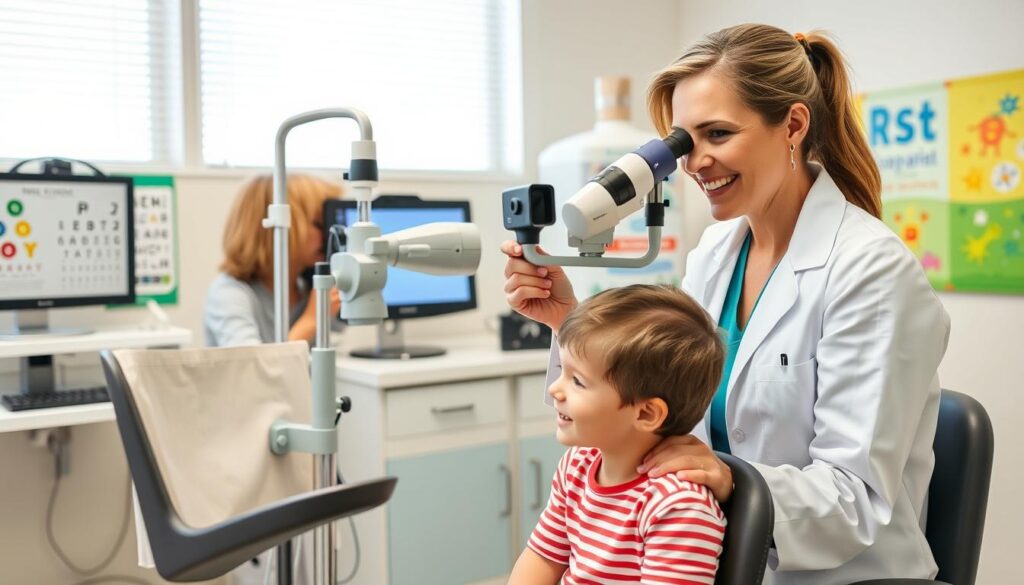
Common Eye Issues in Children
About 65% of Singaporean children develop myopia by age 12, driven by increased screen time and genetic factors. Clinics like Eagle Eye Centre provide myopia control programs, including orthokeratology—a non-surgical treatment using custom contact lenses to reshape the cornea overnight.
Other conditions like strabismus (crossed eyes) or amblyopia (lazy eye) require early intervention. Pediatric eye care needs often include therapies to strengthen eye coordination and prevent permanent vision loss.
Importance of Early Eye Screening
Singapore’s Ministry of Health mandates eye screening for all primary school students. These checks detect refractive errors or alignment issues before they worsen. Warning signs—like frequent head tilting or light sensitivity—should prompt immediate evaluation.
Dr. Audrey Looi, a renowned specialist, achieves a 95% success rate in pediatric strabismus surgeries. Her work underscores how timely care can transform outcomes for young patients.
- Myopia management: Orthokeratology and atropine drops slow progression.
- Screenings: Free MOH programs cover 100% of public-school students.
- Red flags: Rubbing eyes, sitting too close to screens, or squinting.
Minimally Invasive Eye Surgery Options
Modern techniques in vision correction prioritize patient comfort and faster healing. Procedures like minimally invasive glaucoma surgery (MIGS) reduce risks while maintaining high success rates.
Why MIGS Outperforms Traditional Methods
Dr. Chelvin Sng’s 2018–2023 studies show a 92% success rate in preserving vision with MIGS. Unlike older surgeries requiring 6-week recoveries, patients resume normal activities in just 1 day.
Ideal candidates include early-stage glaucoma patients. The iStent injector, a common MIGS tool, costs $4,200–$5,500. Many insurance plans cover part of this, easing financial burdens.
What to Expect After Surgery
- Faster healing: Most return to work within 48 hours.
- Fewer complications: MIGS avoids cutting eye muscles.
- Personalized care: Clinics tailor follow-ups for optimal results.
“MIGS gave me my life back—no pain, no long downtime.”
Innovations in Singapore’s Eye Care Industry
Cutting-edge advancements are reshaping Singapore’s approach to vision health. The National University Hospital (NUH) and institutions like SingHealth drive progress through research and clinical trials, setting global benchmarks in ophthalmology.

Breakthroughs in Glaucoma Treatment
NUH’s AI diabetic retinopathy detector achieves 98% accuracy, enabling early intervention for high-risk patients. Meanwhile, NTU’s smart contact lens monitors intraocular pressure in real time, revolutionizing glaucoma treatment for chronic cases.
These tools complement minimally invasive surgeries, reducing recovery times by up to 80%. Patients benefit from personalized care plans based on genetic risk factors identified through local R&D.
Research and Development in Ophthalmology
SingHealth’s gene therapy trials target inherited retinal diseases, with Phase III trials showing promising results. The 2024 National Eye Research Grant funds projects like Moorfields’ tele-ophthalmology platform, expanding access to rural areas.
- AI diagnostics: NUH’s algorithms detect abnormalities faster than manual screenings.
- Smart lenses: NTU’s design transmits data to clinicians via mobile apps.
- Collaborations: Partnerships with Moorfields integrate UK expertise with Asian patient data.
“Singapore’s blend of technology and clinical expertise creates a model for global eye care.”
Female Ophthalmologists Leading the Field
Women are reshaping ophthalmology in Singapore with groundbreaking contributions. Despite challenges, they excel in research, surgery, and mentorship, setting new standards for the profession.
Challenges and Achievements
Only 28% of leadership roles in Singaporean ophthalmology are held by women, per 2022 data. Yet, their impact is undeniable:
- Research output: Female surgeons publish 23% more studies annually than male peers.
- Workplace initiatives: Public hospitals mandate harassment prevention training, fostering safer environments.
- Flexibility: Private clinics like Adler Eye offer part-time roles to support work-life balance.
Dr. Chelvin Sng’s Advocacy for Women in Ophthalmology
Dr. Sng, a four-time The Ophthalmologist Top 100 honoree, launched Singapore’s first Women in Ophthalmology mentorship program. Her efforts have trained 150+ female ophthalmologists since 2020.
“Representation matters—seeing women in leadership inspires the next generation.”
Her advocacy extends globally, partnering with institutions like Moorfields to promote gender equity in vision care.
Where to Find the Best Eye Clinics in Singapore
From Novena to Orchard, Singapore’s clinics combine expertise with convenience. The Novena Specialist Centre and Eagle Eye Centre lead with advanced diagnostics and patient-focused care. Whether you need routine checkups or specialized treatments, these hubs ensure seamless experiences.
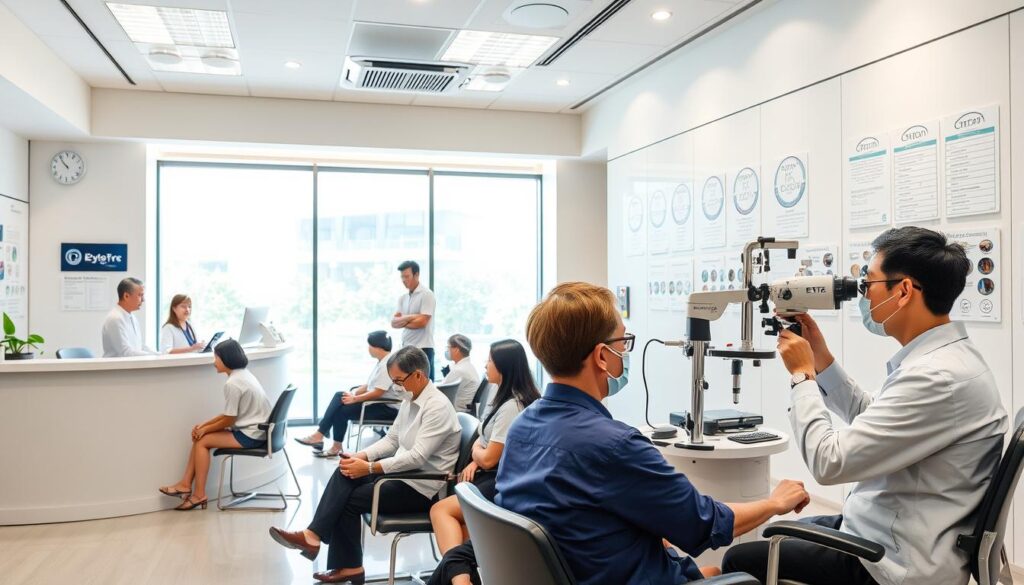
Navigating Top Clinic Locations
Key clinics are strategically located for easy access: Paragon Medical Suites in Orchard, Camden Medical Centre, and Mount Elizabeth Hospital. The Novena Specialist Centre offers dedicated parking and wheelchair-friendly pathways, reducing stress for visitors.
At Eagle Eye Centre, multilingual staff (Mandarin, Malay, Tamil, Japanese) assist international patients. Their same-day report guarantee streamlines diagnostics, while NUH’s COVID-19 protocols include spaced appointments and sanitization stations.
What to Expect During Your Visit
Clinics prioritize efficiency without compromising care. Initial consultations typically include:
- Comprehensive assessments: Digital retinal imaging and visual field tests.
- Personalized plans: Tailored treatments based on diagnostic results.
- Transparent costs: Clear pricing for procedures like MIGS or LASIK.
“Patients appreciate the balance of thoroughness and speed,” notes a coordinator at Camden Medical. Walk-ins are accommodated, but booking ahead ensures minimal wait times.
How to Book an Appointment with a Top Eye Doctor
Securing an appointment with a skilled specialist is simpler than you think. Singapore’s healthcare system offers multiple convenient options, from digital platforms to walk-in services for urgent needs.
Online Booking and Consultation Options
Most clinics, like Eagle Eye Centre, provide online booking through their websites or HealthHub. The process takes under 5 minutes:
- Select your preferred date and time slot.
- Upload referral letters (if required).
- Receive instant confirmation via SMS/email.
Teleconsultations are available for follow-ups. “I scheduled my LASIK evaluation during lunch—it was seamless,” shares a patient at Novena Specialist Centre.
Insurance and Payment Considerations
Insurance plans like CHAS cover up to 80% of costs at public clinics. For private centers, compare MediSave claims:
- Cataract surgery: $2,450–$3,050 per eye.
- Glaucoma procedures: Up to $1,200.
Many clinics offer 0% interest payment plans via credit cards. SNEC’s emergency desk (+65 6227 7266) assists after-hours cases.
Conclusion
With its world-class healthcare system, Singapore continues to set benchmarks in vision care. Ranked #2 globally for efficiency, clinics like Novena Specialist Centre offer same-day screenings and tailored treatments.
Seniors benefit from free transportation services, while 24/7 chat support ensures quick answers. Early detection saves vision—book a consultation today at Adler Eye Centre.
Dr. Chelvin Sng has availability next week. Secure your slot online or call +65 1234 5678 for urgent needs.
FAQ
What makes Singapore a leading destination for eye care?
Singapore is known for its highly trained ophthalmologists, cutting-edge technology, and strict healthcare standards. Many specialists here have global recognition for their expertise in treating complex conditions.
How do I choose the right specialist for my needs?
Look for qualifications, experience, and patient reviews. Consider if they specialize in your condition, such as glaucoma or age-related macular degeneration.
Are there female ophthalmologists in Singapore?
Yes, many skilled female specialists, like Dr. Chelvin Sng, are leading the field with innovative treatments and research.
What common conditions do specialists treat?
They handle glaucoma, cataracts, macular degeneration, and pediatric issues. Treatments range from medication to minimally invasive surgery.
Is early eye screening important for children?
Absolutely. Detecting issues early, like lazy eye or refractive errors, ensures better long-term vision health.
What are the benefits of minimally invasive glaucoma surgery (MIGS)?
MIGS offers faster recovery, fewer complications, and effective pressure control compared to traditional methods.
Where can I find top clinics in Singapore?
Centers like Novena Specialist Centre house renowned specialists with advanced diagnostic and treatment facilities.
How do I book an appointment?
Most clinics offer online booking. Check insurance coverage and payment options beforehand for a smooth process.