

Singapore’s tropical climate creates perfect conditions for mosquitoes to thrive. The Aedes aegypti species, which carries dengue fever, finds ideal breeding spots in our urban environment.
Dengue cases reached alarming levels with over 33,000 infections in 2023. The first quarter of 2024 saw more than 5,000 cases – double the previous year’s numbers according to the National Environment Agency.
Protecting yourself and your family requires effective solutions. This guide explores various options from chemical formulas to natural alternatives like citronella and eucalyptus oils.
We’ll help you find the right protection for your needs. Whether you prefer sprays, lotions, or devices, our comprehensive approach covers everything from application techniques to safety concerns.
Key Takeaways
- Singapore’s climate creates serious mosquito breeding conditions
- Dengue cases have dramatically increased in recent years
- Both chemical and natural repellents offer protection
- Proper application ensures maximum effectiveness
- Combining repellents with preventive measures works best
- Safety considerations are important for children and sensitive skin
- A multi-pronged approach provides the most complete defense
Understanding Singapore’s Mosquito Problem and Health Risks
Singapore faces unique challenges with insect populations due to its environment. The combination of tropical weather and dense urban living creates ideal conditions for these pests to multiply rapidly.
This situation requires residents to stay informed about risks and prevention methods. Knowing what attracts these insects and when they’re most active helps you stay protected.
The Rising Dengue Threat
Dengue fever cases reached alarming levels recently. The first quarter of 2024 saw over 5,000 infections and seven fatalities reported.
This represents a significant increase compared to previous years. Beyond dengue, these insects can transmit other serious illnesses including Zika virus and chikungunya.
Government efforts include fogging operations and an innovative biological control program. The Wolbachia initiative releases male insects infected with special bacteria to reduce populations.
What Attracts Insects to Humans
These pests find people through multiple sensory cues. Body heat, chemical signals, and odors from human sweat all serve as attraction factors.
Certain individuals naturally attract more bites than others. Metabolic rate, skin bacteria, and even blood type can influence your appeal to these pests.
Understanding these attraction mechanisms helps you choose appropriate protective measures. This knowledge informs the selection of effective products and strategies.
Peak Activity Times
The Aedes species shows particular activity patterns around dawn and dusk. However, biting can occur throughout daylight hours in shaded areas or poorly ventilated spaces.
Urban vegetation and rooftop gardens have increased breeding risks significantly. Even small amounts of stagnant water around homes can support egg development.
Personal responsibility remains crucial despite government control programs. Comprehensive protection requires understanding both timing and environmental preferences.
| Risk Factor | Details | Protection Strategy |
|---|---|---|
| Dengue Cases | Over 5,000 cases in Q1 2024 | Use approved products consistently |
| Biting Times | Dawn, dusk, and shaded areas | Extra caution during peak hours |
| Attraction Factors | Body heat, sweat, chemical cues | Choose products that mask attractants |
| Breeding Sites | Small water collections around homes | Regular inspection and elimination |
This knowledge forms the foundation for selecting appropriate protective measures. The next section explores various options available for personal and home defense.
Types of Mosquito Repellents Available in Singapore
Various protection methods help keep these insects away from your home and family. Understanding different options lets you choose what works best for your lifestyle.
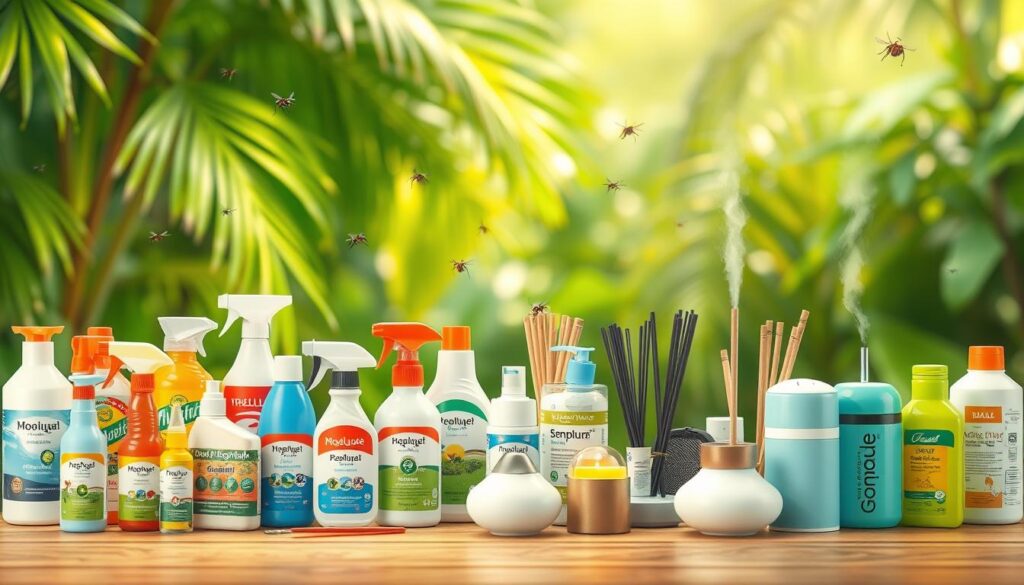
Chemical-Based Repellents: DEET, Picaridin and IR3535
Experts recommend formulas containing specific active ingredients. DEET, picaridin, and IR3535 provide the most reliable defense against biting insects.
These chemicals work by confusing the insect’s sensing abilities. They mask the natural body odors that normally attract these pests to humans.
Safety concerns exist but are generally minimal when used properly. Recommended concentrations range from 10-30% for kids and up to 50% for adults.
Natural and Plant-Based Repellent Options
Many people prefer formulas derived from natural sources. Options containing citronella, eucalyptus, or lemongrass offer some protection.
These plant-based solutions work well for mild insect activity. They typically require more frequent application than chemical alternatives.
Natural oils provide a pleasant scent while helping keep insects at bay. They’re excellent choices for sensitive skin or indoor use.
Electronic Mosquito Control Devices
Advanced technology offers chemical-free protection options. Devices like Mozzie Defender use multiple attraction methods.
These units simulate human sweat odor and emit CO₂. Combined with UV light, they effectively trap insects before they bite.
Benefits include waterproof design and indoor/outdoor versatility. They provide continuous protection without applying anything to your skin.
Wearable Repellents and Protective Patches
Convenient wearable options have gained popularity recently. These include patches, bracelets, and ultrasonic devices.
While convenient for outdoor activities, their effectiveness varies. Studies show limited results in high-risk areas with dense insect populations.
Ultrasonic devices specifically have been proven ineffective by multiple research studies. They may work better when combined with other methods.
Choosing the right protection involves understanding your specific needs. Different situations call for different approaches to insect control.
How to Choose and Use Mosquito Repellents Effectively
Selecting the right protection method makes all the difference in keeping insects at bay. Understanding proper usage techniques ensures you get maximum effectiveness from your chosen products.
Factors to Consider When Selecting Protection
Several important factors guide your selection process. Effectiveness against local insect species should be your top priority.
Consider how long the protection lasts between applications. Some formulas work for hours while others need more frequent use.
Your skin type and any sensitivities matter greatly. Those with delicate skin might prefer gentler options containing plant-based ingredients.
Think about your daily activities and exposure levels. People spending time outdoors need stronger formulas than those mostly indoors.
Proper Application Techniques
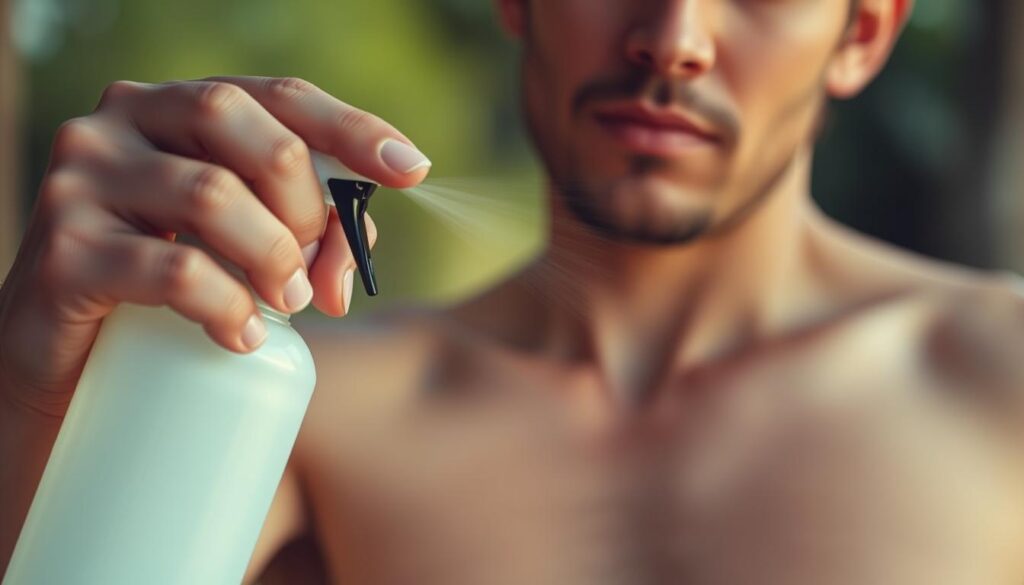
Correct application ensures optimal results. For spray formulas, hold the container about six inches from your skin.
Use slow, sweeping motions to cover exposed areas evenly. Apply to your hands first when treating your face, then rub gently.
When using both sunscreen and insect protection, apply sunscreen first. Wait a few minutes before adding the other product.
For clothing applications, spray evenly while holding the fabric taut. Allow it to dry completely before wearing.
Safety Precautions for Special Cases
Children require extra care with these products. Always apply to your hands first, then transfer to the child’s skin.
Avoid treating children’s hands since they often touch their faces. Use formulas specifically designed for younger users.
Those with sensitive skin should test products on small areas first. Discontinue use if irritation develops.
Never apply to cuts, wounds, or already irritated skin. Wash treated areas with soap and water after returning indoors.
Complementary Protective Measures
Combining methods creates the strongest defense. Eliminate standing water around your home where insects breed.
Use sand granules in plant pots to prevent water accumulation. Install screens on windows and doors for added barrier protection.
Wear light-colored, long-sleeved clothing during peak activity times. Treated clothing offers additional protection for outdoor activities.
Regularly inspect your home for potential breeding sites. Keep outdoor areas clean and well-maintained.
| Protection Method | Effectiveness Duration | Best Usage Scenario | Special Considerations |
|---|---|---|---|
| Spray Formulas | 4-8 hours | Outdoor activities | Reapply after swimming or sweating |
| Plant-Based Oils | 2-4 hours | Indoor use or mild areas | Gentle on sensitive skin |
| Treated Clothing | Multiple washes | Gardening or hiking | Wash separately before first use |
| Electronic Devices | Continuous | Patios and outdoor spaces | Place away from seating areas |
| Protective Patches | 6-8 hours | Quick outdoor trips | Apply to clothing, not skin |
Remember that sweating or water exposure reduces protection time. Always check product labels for specific reapplication guidance.
Combining these methods with environmental controls creates the most comprehensive defense strategy. Proper usage ensures you and your family stay protected throughout the day.
Conclusion: Creating Your Comprehensive Mosquito Defense Strategy
Protecting your family requires a smart, layered approach. Combine proven products with preventive habits for full safety.
Use formulas with DEET or picaridin for strong, long-lasting protection. For sensitive skin, natural oils like citronella offer gentle defense.
Remove stagnant water around your home to stop breeding. Install screens on windows and wear protective clothing during peak activity times.
Consider advanced devices that use CO₂ and UV light to trap insects. For tough problems, professional services provide customized solutions.
Build your defense with multiple strategies. Stay consistent to keep your home and loved ones safe all day.
FAQ
What are the most effective ingredients to look for in a repellent?
Look for products containing DEET, picaridin, or oil of lemon eucalyptus. These ingredients are recommended by health authorities for their proven, long-lasting protection against bites.
Are natural options like citronella and eucalyptus effective?
Natural oils like citronella can offer some protection but generally need to be reapplied more often than chemical-based formulas. For high-risk areas, a stronger, tested formula is usually recommended.
How can I protect my children from bites safely?
For kids, choose a repellent with a lower concentration of active ingredients, like picaridin, and always follow the product’s age guidelines. Avoid applying to their hands, eyes, or mouth.
When are mosquitoes most active in Singapore?
Mosquitoes, especially the Aedes species, are most active during early morning and late afternoon. However, it’s wise to use protection throughout the day, as they can bite at any time.
What other steps can I take to keep mosquitoes away from my home?
Eliminate standing water in pots, trays, and drains to prevent breeding. Use screens on windows, wear protective clothing outdoors, and consider using fans or traps indoors for extra control.
How often should I reapply repellent for continuous protection?
Reapplication depends on the product and your activity. If you’re sweating or swimming, you may need to reapply more frequently. Always check the label for specific guidance.