Singapore has one of the world’s highest internet adoption rates. The market for home internet services is incredibly competitive with numerous options available.
This guide helps you navigate through various internet packages for 2025. We compare offerings from both traditional providers and newer virtual operators.
Key factors like connection speed, monthly cost, and service reliability matter greatly. These elements directly impact your online experience and daily connectivity needs.
We’ve analyzed plans from major providers including M1, StarHub, Singtel, MyRepublic, ViewQwest, and WhizComms. Our friendly approach makes choosing simpler.
All information is current and practical for today’s decisions. Use our comparison tool to easily find what works for your household.
Key Takeaways
- Singapore’s internet market offers extensive choices for home connections
- Both traditional and virtual providers compete in this space
- Connection speed and reliability significantly affect user experience
- Monthly pricing and contract terms vary across different packages
- Current information helps make practical decisions for your needs
- Comparison tools simplify the selection process significantly
Introduction to Fibre Broadband in Singapore
Singapore’s digital landscape has transformed dramatically over the years. What began with limited options has evolved into a vibrant marketplace full of choices for home internet users.
This evolution brings exciting opportunities for households seeking better connectivity. Understanding how the market works helps you make smarter decisions about your home internet service.
Why Singapore’s Internet Market is Competitive
Multiple factors contribute to Singapore’s dynamic internet environment. High adoption rates create a large customer base that providers compete to serve.
Numerous companies now offer various packages to meet different needs. This variety gives users more options than ever before when selecting their home connection.
The competition drives continuous improvement in service quality and pricing. Providers constantly enhance their offerings to attract and retain customers.
Understanding Virtual Operators vs. Traditional Telcos
Traditional telecommunications companies built Singapore’s digital infrastructure. These established providers own and maintain the physical network components.
Virtual operators entered the market with a different approach. They purchase network access from traditional providers at wholesale rates.
This business model allows virtual operators to focus on customer service and competitive pricing. They pass savings to consumers while maintaining reliable connectivity.
Both types of providers offer distinct advantages. Traditional companies provide end-to-end control over the network experience.
Virtual operators often feature more flexible plans and innovative packages. Their streamlined operations can result in lower monthly costs for users.
| Provider Type | Key Characteristics | Example Companies |
|---|---|---|
| Traditional Telcos | Own network infrastructure, comprehensive service control | Singtel, StarHub, M1 |
| Virtual Operators | Leverage existing networks, competitive pricing | MyRepublic, ViewQwest, WhizComms |
This competitive landscape benefits consumers through better prices and more options. The variety of plans available means most households can find something that fits their needs and budget.
Understanding these differences prepares you for evaluating specific providers. The following sections will explore each company’s offerings in detail.
Knowledge about the market structure helps when considering a switch between providers. It also assists in negotiating better terms for your home internet service.
What Makes a Great Fibre Broadband Plan?
Choosing the right internet package involves more than just picking the fastest option. The perfect plan balances performance with practical considerations for your household.
Three core elements define quality service: connection velocity, cost efficiency, and consistent reliability. Understanding these factors helps you select a package that truly meets your needs.
Key Factors: Speed, Price, and Reliability
Connection velocity measures how quickly data travels to your devices. Common tiers include 1Gbps, 2.5Gbps, and even 10Gbps options.
Not all multi-gigabit plans work the same way. Some providers use dual 1Gbps connections instead of a single 2Gbps line.
Others offer dedicated gaming connections alongside general-use bandwidth. This approach ensures smooth gameplay while others stream content.
Monthly cost matters just as much as raw performance. Transparent pricing without hidden fees creates better value.
Many companies offer both contract and no-contract options. Longer commitments often mean lower monthly rates but less flexibility.
Service reliability encompasses network stability and support quality. Consistent uptime and responsive help make daily connectivity seamless.
The Role of Routers and Mesh Systems
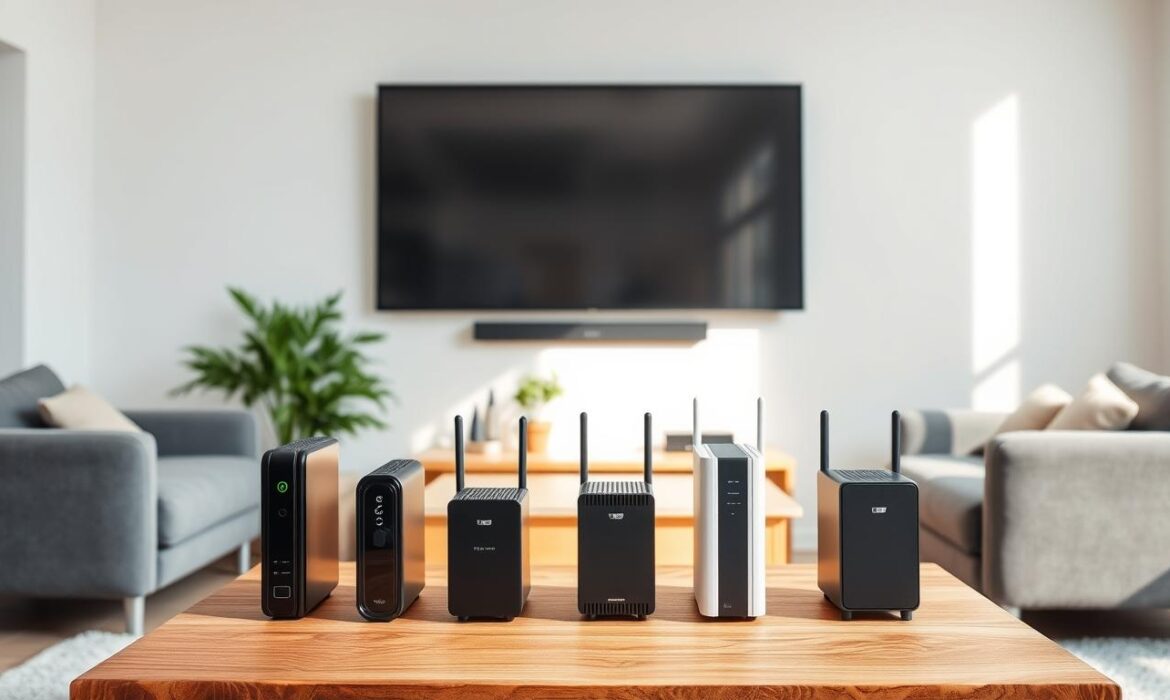
Your hardware determines how effectively you use your internet service. The right equipment maximizes your connection’s potential.
Wi-Fi performance depends on more than just subscription speed. Home layout and device distance create dead zones where signals weaken.
Advanced routers with greater range solve many coverage issues. Their powerful antennas push signals farther through walls and floors.
Mesh systems use multiple units working together throughout your home. This approach eliminates weak spots in larger spaces.
Newer Wi-Fi 6 and Wi-Fi 7 routers offer significant improvements. They handle multiple devices better and provide faster wireless connections.
Choosing appropriate hardware becomes especially important for multi-story homes. The right setup ensures every room enjoys strong connectivity.
Evaluate your household’s needs before selecting equipment. Consider how many devices connect simultaneously and your home’s size.
The perfect plan combines the right speed tier with proper hardware. This combination delivers the seamless online experience modern homes require.
Comparing the Top Fibre Broadband Providers
Singapore’s internet landscape features six major providers offering diverse packages. Each company brings unique strengths to the table for different household needs.
Understanding these options helps you find the perfect match for your online activities. Let’s explore what makes each provider stand out in this competitive market.
Overview of Major ISPs in Singapore
Six companies dominate Singapore’s home internet scene with varied approaches. Their offerings range from budget-friendly to premium performance tiers.
M1 starts at S$29.50 monthly with speeds from 1Gbps to 10Gbps. They excel for mobile users seeking integrated services.
StarHub offers packages beginning at S$39.00 for 2Gbps to 10Gbps connections. Entertainment bundles make them perfect for streaming enthusiasts.
Singtel provides services from S$50.26 with 2Gbps to 10Gbps options. Their robust network suits multi-story homes beautifully.
MyRepublic features plans starting at S$37.99 covering 3Gbps to 10Gbps. They strike an excellent balance between cost and performance.
ViewQwest enters at S$30.00 with 3Gbps to 10Gbps speeds. Their unique selling point includes no-router-needed packages.
WhizComms offers the most affordable entry at S$24.80 for 2.5Gbps service. They deliver straightforward, no-frills connectivity.
| Provider | Starting Price | Speed Range | Ideal For |
|---|---|---|---|
| M1 | S$29.50/month | 1Gbps – 10Gbps | Mobile broadband users |
| StarHub | S$39.00/month | 2Gbps – 10Gbps | Entertainment enthusiasts |
| Singtel | S$50.26/month | 2Gbps – 10Gbps | Multi-storey households |
| MyRepublic | S$37.99/month | 3Gbps – 10Gbps | Balanced price & performance |
| ViewQwest | S$30.00/month | 3Gbps – 10Gbps | No-router solutions |
| WhizComms | S$24.80/month | 2.5Gbps | Budget-conscious users |
How to Evaluate Each Provider
Look beyond monthly rates when comparing internet packages. Consider the complete value proposition each company offers.
Examine speed tiers against your household’s actual needs. A 1Gbps plan might suffice if you’re a light user.
Check contract terms carefully before committing. Some providers offer better rates for longer commitments.
Look for current promotions that add real value. Free months or premium routers can significantly reduce overall costs.
Read user reviews to gauge real-world reliability. Consistent positive feedback indicates dependable service quality.
Evaluate customer support responsiveness. Quick technical assistance makes problem resolution much smoother.
Consider additional perks like entertainment bundles or gaming optimizations. These extras might justify slightly higher costs.
Each provider caters to specific user preferences and needs. The following sections will explore their individual offerings in greater detail.
M1 Fibre Broadband Plans: Affordable and Flexible
M1 stands out in the competitive market with packages that balance performance and value. Their approach combines solid performance with attractive extras that enhance everyday digital life.
Whether you’re streaming, working, or gaming, their offerings cater to diverse needs. The flexibility in their packages makes them particularly appealing for various household setups.
Plan Options and Speeds
M1 provides a range of velocity tiers to match different usage patterns. Their entry-level 1Gbps option starts at just S$29.90 per month.
For heavier usage, the 2.5Gbps plan costs S$39.90 monthly. The 3Gbps package offers surprising value at S$29.50.
Higher performance tiers include 6Gbps for S$34.90 and 10Gbps at S$50.90. This progression allows users to select exactly what they need without overpaying.
Each tier maintains consistent reliability across their network. This ensures smooth connectivity for all online activities.
Freebies and Add-ons
New subscribers receive a complimentary wireless router with sign-up. This immediately addresses one of the initial setup costs.
The standout offer includes free 4G mobile broadband for 24 months. This dual connectivity approach sets M1 apart from competitors.
Additional enhancements include discounted premium devices. For a S$250 top-up, users can choose between Xiaomi TV, PRISM+ TV, Apple iPad, or SONOS Ray Soundbar.
These extras transform a basic package into a comprehensive digital solution. They provide tangible value beyond mere internet access.
Best For: Mobile Broadband Users
M1 particularly shines for those seeking combined home and mobile solutions. Their free 4G mobile broadband for two years creates exceptional value.
This approach eliminates the need for separate mobile data plans. It’s perfect for families with multiple device users.
The 24-month agreement period maximizes these benefits. While primarily focusing on contracts, this commitment yields significant savings.
Compared to other providers, M1’s dual-connectivity offer remains unique. It addresses both home and mobile needs in a single package.
For households prioritizing comprehensive digital access, M1 delivers outstanding value. Their combination of affordability and flexibility meets modern connectivity demands.
StarHub: Entertainment-Focused Broadband
Home connectivity takes on new meaning when entertainment becomes the central focus. StarHub has crafted packages specifically designed for households that prioritize streaming and digital entertainment experiences.
Streaming Bundles and Perks
StarHub stands apart with its impressive entertainment bundles included with every plan. Subscribers receive complimentary access to popular streaming platforms that enhance their viewing options.
The package includes full Netflix Standard and Max Standard accounts at no extra cost. These subscriptions normally cost subscribers significant amounts annually.
Additionally, users enjoy three free months of Amazon Prime membership. This combination creates a comprehensive entertainment ecosystem right from installation.
Calculating the value reveals impressive savings. A full year of Netflix alone saves approximately S$275.76 annually.
Plan Details and Pricing
StarHub offers multiple speed tiers to match different household needs. Their entry-level 2Gbps plan starts at S$39.00 per month.
Higher performance options include 5Gbps and 10Gbps connections. These cater to homes with multiple simultaneous streaming devices.
All packages require a 24-month contract commitment. This longer term allows StarHub to offer enhanced value through their entertainment perks.
The installation process includes several complimentary services. Professional router placement ensures optimal Wi-Fi coverage throughout your home.
| Plan Tier | Monthly Cost | Contract Length | Entertainment Value |
|---|---|---|---|
| 2Gbps | S$39.00 | 24 months | Netflix + Max + Amazon Prime |
| 5Gbps | S$59.99 | 24 months | Netflix + Max + Amazon Prime |
| 10Gbps | S$89.99 | 24 months | Netflix + Max + Amazon Prime |
Best For: Entertainment Enthusiasts
StarHub particularly excels for households that prioritize media consumption. The integration with their cable TV service creates a seamless entertainment experience.
Families with multiple users streaming different content simultaneously benefit greatly. The combination of high speed and dedicated entertainment perks is unmatched.
Compared to other providers, StarHub’s entertainment focus remains unique. They’ve created a complete digital ecosystem rather than just internet access.
The value proposition becomes clear when calculating entertainment savings. The included subscriptions would cost hundreds annually if purchased separately.
For those seeking both performance and premium content, StarHub delivers exceptional value. Their approach transforms basic internet into a comprehensive home entertainment solution.
Singtel: High-Speed Options for Large Homes
Spacious residences demand internet solutions that maintain performance across every corner. Singtel delivers comprehensive packages designed specifically for multi-level living spaces.
Their approach combines impressive velocity with thoughtful extras that enhance daily digital life. From ground floor to top story, their service ensures consistent connectivity.
10Gbps and Other Speed Tiers
Singtel offers multiple performance levels to match different household requirements. Their entry point begins at S$50.26 monthly for a robust 2Gbps connection.
Higher tiers include powerful 10Gbps options for intensive usage scenarios. These multi-gigabit plans handle numerous devices streaming simultaneously.
Each tier maintains excellent reliability throughout their extensive network infrastructure. This consistency matters greatly for families with diverse online activities.
Router and Mesh Options
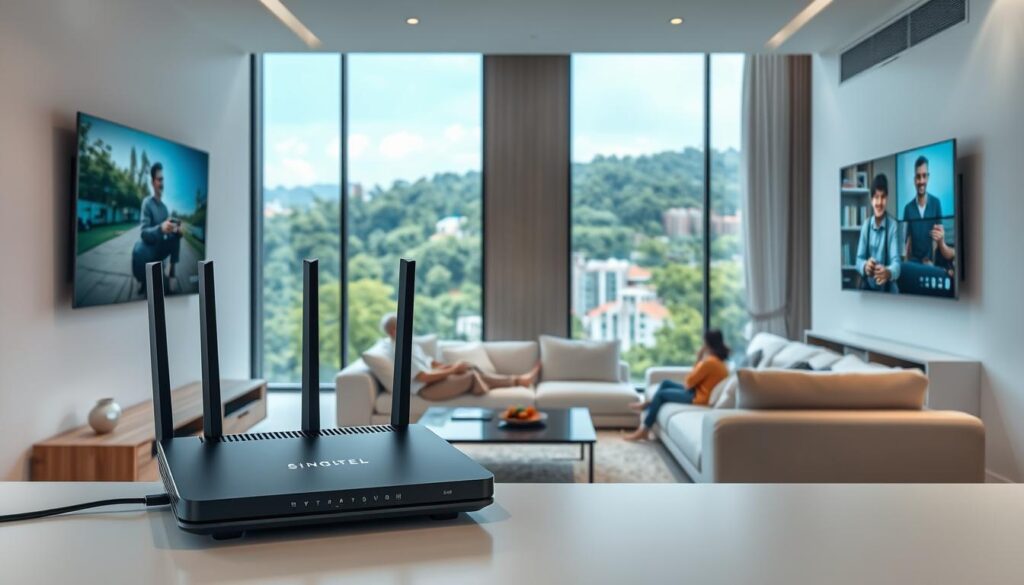
Proper equipment maximizes your subscription’s potential throughout large homes. Singtel provides advanced routers with extended coverage capabilities.
For truly expansive spaces, their mesh systems eliminate frustrating dead zones. Multiple units work together to create seamless whole-home coverage.
These solutions prove particularly valuable in multi-storey configurations. Signals maintain strength from basement entertainment areas to top-floor offices.
“Whole-home coverage transforms how families experience connectivity. It’s about consistent performance everywhere you need it.”
Best For: Multi-Storey Households
Singtel excels for residences where distance challenges conventional Wi-Fi signals. Their combination of high velocity and proper equipment addresses spatial limitations perfectly.
The included mobile broadband adds valuable flexibility for users on the move. At 500MB monthly, it provides handy connectivity outside the home.
Entertainment perks include twelve free months of Amazon Prime membership. This complements the reliable streaming performance their network delivers.
| Plan Tier | Monthly Cost | Contract Term | Key Features |
|---|---|---|---|
| 2Gbps | S$50.26 | 24 months | Home line + mobile broadband |
| 10Gbps | S$109.99 | 24 months | Premium router + entertainment bundle |
Their 24-month agreement unlocks the full value of promotional rewards. This commitment period makes sense for households seeking long-term stability.
Compared to other providers, Singtel’s whole-home approach stands distinct. They address both performance and coverage challenges simultaneously.
For families in spacious residences, their solutions eliminate connectivity frustrations. Every room enjoys the fast, reliable service modern life demands.
MyRepublic: Gamer-Friendly Plans
Online gaming demands more than just fast downloads. It requires specialized connections that prioritize responsiveness and stability during intense gameplay sessions.
MyRepublic understands these unique needs better than most providers. They’ve crafted packages specifically designed for gaming enthusiasts and flexible users.
Their approach combines impressive velocity with gaming optimizations that reduce lag. This focus on low latency makes competitive gaming much smoother.
GAMER and HyperSpeed Plans
MyRepublic offers specialized gaming packages under their GAMER branding. These plans start from S$37.99 monthly for their 3Gbps option.
Higher performance tiers include 6Gbps and 10Gbps HyperSpeed connections. These multi-gigabit options handle simultaneous gaming and streaming beautifully.
Every gaming package includes a premium gaming router at no extra cost. These specialized devices prioritize gaming traffic for lower ping times.
The difference becomes noticeable during online matches. Reduced latency means quicker response times and smoother gameplay.
No-Contract Options
Flexibility stands as another key advantage with MyRepublic. They offer no-contract alternatives for users avoiding long commitments.
Their 3Gbps plan costs S$49.99 monthly without any agreement required. This provides freedom to change providers without termination fees.
While slightly higher priced, these flexible options suit temporary residents perfectly. They also work well for those testing the service before committing.
The 24-month contracts remain available for better monthly rates. This choice between commitment levels accommodates different user preferences.
Best For: Gamers and Flexible Users
MyRepublic excels for households where gaming takes priority. Their specialized equipment and network optimizations create tangible benefits.
The balance between cost and performance makes their offerings attractive. You get gaming enhancements without paying premium prices.
Flexible contract terms accommodate various living situations. Whether you’re settling long-term or temporarily, they have suitable options.
Additional perks include router upgrades and mesh system choices. These ensure strong Wi-Fi coverage throughout your gaming space.
| Plan Type | Monthly Cost | Speed Tier | Contract Length | Special Features |
|---|---|---|---|---|
| GAMER 3Gbps | S$37.99 | 3Gbps | 24 months | Gaming router included |
| HyperSpeed 10Gbps | S$69.99 | 10Gbps | 24 months | Premium gaming optimization |
| No-Contract 3Gbps | S$49.99 | 3Gbps | None | Complete flexibility |
Compared to other providers, MyRepublic’s gaming focus remains distinctive. They’ve tailored their service specifically for responsive online experiences.
For households seeking both performance and adaptability, their solutions deliver excellent value. The combination of specialized gaming features and flexible terms meets modern connectivity needs perfectly.
ViewQwest: No-Router Plans and Advanced Features
Some internet users prefer building their own network setup rather than using standard equipment. ViewQwest caters perfectly to this preference with their unique approach to home connectivity.
Their packages stand out by excluding routers while offering impressive performance tiers. This creates interesting choices for those who value customization.
Freedom DNS and Other Features
ViewQwest’s Freedom DNS service provides special access to global content. This feature lets you enjoy streaming platforms usually restricted by location.
It works seamlessly without requiring complicated technical setup. You simply activate it through your account settings.
The system opens entertainment options from various regions worldwide. This benefit matters greatly for international content enthusiasts.
Their network infrastructure ensures consistent performance during peak hours. This reliability supports smooth streaming and browsing experiences.
Plan Costs and Considerations
ViewQwest offers multiple speed options starting from just S$30.00 monthly. Their 3Gbps plan provides excellent value for most households.
Higher tiers include 5Gbps and 10Gbps connections for intensive usage. These multi-gbps options handle numerous devices simultaneously.
Remember these prices don’t include necessary networking equipment. You’ll need to purchase a compatible router separately.
This approach creates lower monthly costs but requires initial investment. Calculate both expenses when evaluating total affordability.
All packages operate on 24-month contract terms. This commitment period ensures stable pricing throughout your service duration.
| Plan Speed | Monthly Cost | Contract Length | Equipment Needed |
|---|---|---|---|
| 3Gbps | S$30.00 | 24 months | Separate router purchase |
| 5Gbps | S$49.99 | 24 months | Separate router purchase |
| 10Gbps | S$89.99 | 24 months | Separate router purchase |
Best For: Tech-Savvy Users
ViewQwest particularly suits those who enjoy configuring their own equipment. Tech-oriented users appreciate selecting routers matching their specific needs.
The Freedom DNS feature adds tremendous value for streaming enthusiasts. It transforms your entertainment options without extra subscriptions.
Compared to other providers, ViewQwest’s approach remains distinctive. They empower customers to create personalized network environments.
This flexibility comes with responsibility for your equipment choices. Selecting appropriate hardware ensures optimal connectivity performance.
For households valuing customization and global content access, ViewQwest delivers exceptional solutions. Their unique combination of features meets specialized digital lifestyle needs.
WhizComms: No-Frills, Budget-Friendly Broadband
Simple connectivity without extra features appeals to many households. WhizComms delivers straightforward internet service focused on core performance.
Their approach eliminates bundled extras that often increase monthly costs. You pay only for the connection speed you actually need.
Affordable 2.5Gbps and 10Gbps Plans
WhizComms offers two main options for different usage requirements. Their 2.5Gbps plan costs just S$24.00 per month.
The 10Gbps option provides impressive performance at S$28.99 monthly. Both plans require 24-month agreements for these rates.
These prices represent some of the most competitive in the market. You get solid performance without paying for unnecessary additions.
Router Upgrade Options
Basic packages include standard networking equipment. You can enhance your setup with premium router choices.
WiFi 6 Mesh systems cost an additional S$33.99 monthly. This upgrade ensures better coverage throughout your home.
Advanced WiFi 7 options are also available for future-proofing. These investments maximize your internet experience.
Best For: Cost-Conscious Users
WhizComms perfectly suits households prioritizing affordability. Their transparent pricing eliminates hidden costs from unused perks.
Compared to other providers, they offer exceptional value for basic connectivity. You receive reliable service without entertainment bundles.
Twelve-month contract variants provide additional flexibility. This shorter commitment works well for temporary residents.
| Plan Speed | Monthly Cost | Contract Term | Equipment Included |
|---|---|---|---|
| 2.5Gbps | S$24.00 | 24 months | Basic router |
| 10Gbps | S$28.99 | 24 months | Basic router |
| Router Upgrade | S$33.99 extra | Same as plan | WiFi 6 Mesh system |
This straightforward approach benefits users who want simplicity. You know exactly what you’re paying for each month.
The network reliability matches more expensive providers surprisingly well. WhizComms delivers consistent performance for daily needs.
For households seeking pure connectivity without extras, they offer outstanding value. Their focus on essentials makes internet access truly affordable.
Understanding Broadband Speed Tiers
Selecting the right internet velocity involves understanding what different numbers actually mean for daily use. Various speed tiers cater to distinct household requirements and usage patterns.
This section breaks down common performance levels from 1Gbps to 10Gbps options. You’ll learn how these choices impact real-world online experiences.

1Gbps vs. 2.5Gbps vs. 10Gbps
Different speed tiers serve various purposes in modern homes. A 1Gbps connection typically delivers between 110Mbps and 926Mbps actual download performance.
This tier works well for light to moderate usage with few connected devices. It handles streaming, browsing, and occasional downloads comfortably.
The 2.5Gbps option falls within similar real-world ranges as 1Gbps plans. Both provide adequate performance for most standard household activities.
Higher tiers like 3Gbps achieve remarkable 2957Mbps to 2977Mbps actual speeds. The 5Gbps options reach 4819Mbps to 4859Mbps in real-world testing.
Top-tier 10Gbps service delivers impressive 7278Mbps to 8156Mbps performance. These multi-gbps options support intensive simultaneous usage.
Real-World Performance Expectations
Actual speeds often differ from advertised maximum capabilities. Network congestion, hardware limitations, and signal interference affect performance.
Most households find 1Gbps sufficient for daily needs. It supports multiple streaming sessions and regular online activities.
Higher speeds benefit households with numerous connected devices. Gamers, remote workers, and large families appreciate extra bandwidth.
File transfers and cloud backups complete faster with multi-gigabit connections. Large downloads become noticeably quicker with higher tiers.
Remember that maximum speeds require compatible equipment. Standard routers and older devices might not utilize full connection potential.
For 10Gbps performance, specific hardware becomes essential. You’ll need an Intel Core i7 processor with 8GB RAM and SSD storage.
A 10GBase-T network adapter and multi-gigabit router complete the setup. This equipment ensures you experience the full velocity potential.
Most users don’t require such advanced configurations. Evaluate your actual needs before investing in high-end equipment.
“Choosing the right speed tier involves matching performance to your household’s actual usage patterns rather than simply selecting the highest number available.”
Consider your monthly budget when selecting a plan. Higher tiers cost more but might not provide proportional value for your situation.
Many home internet packages require 24-month commitments. Ensure your chosen speed meets long-term needs throughout the contract period.
Your internet service quality depends on both subscription speed and equipment quality. Proper routers and network adapters maximize your investment.
Network reliability matters as much as raw speed numbers. Consistent performance ensures smooth connectivity for all online activities.
Next, we’ll explore how routers and mesh systems enhance your internet experience. The right equipment makes any speed tier perform better throughout your home.
The Importance of Routers and Mesh Networks
Your home’s Wi-Fi experience depends greatly on the equipment you choose. The right hardware maximizes your internet service potential throughout your living space.
Many households overlook how crucial proper networking gear becomes. It transforms raw connection speed into reliable daily connectivity.
Modern routers handle numerous devices simultaneously without slowdowns. They ensure smooth streaming, gaming, and working from home.
Mesh systems take this further by eliminating frustrating dead zones. Multiple units work together across your entire home.
Wi-Fi 6 vs. Wi-Fi 7 Routers
Wireless technology continues evolving with each new generation. Wi-Fi 6 brought significant improvements over previous standards.
Wi-Fi 7 represents the latest advancement with remarkable capabilities. It offers multi-link operation that uses multiple frequencies simultaneously.
The technology achieves 4.8 times faster speed than Wi-Fi 6. It reaches 13 times the performance of older Wi-Fi 5 standards.
Key enhancements include:
- 16×16 MU-MIMO for handling more devices
- 320MHz channel width for greater bandwidth
- 4096-QAM for higher data transmission rates
These technical improvements mean smoother 4K streaming and lag-free gaming. They better support smart home ecosystems with numerous connected gadgets.
How Mesh Systems Eliminate Dead Zones
Traditional single-router setups struggle in larger homes. Signals weaken through walls and across distances.
Mesh network solutions solve this coverage challenge beautifully. Multiple units placed throughout your space create seamless connectivity.
The system automatically routes your devices to the strongest signal. You move around your home without losing connection quality.
This approach proves particularly valuable for:
- Multi-story residences
- Homes with thick concrete walls
- Large open-plan layouts
- Households with outdoor coverage needs
Providers like MyRepublic and WhizComms offer mesh solutions with their plan options. Some include these systems while others offer them as upgrades.
Investing in proper hardware ensures you achieve advertised gbps speeds. The right equipment makes any internet service perform at its best.
“Quality networking equipment transforms theoretical speeds into practical daily performance. It’s the difference between having fast internet and experiencing fast internet.”
When selecting routers or mesh systems, consider your home’s size and layout. Also think about how many devices connect simultaneously.
Some internet plans include appropriate hardware while others require separate purchase. Always verify what equipment comes with your chosen package.
The right networking setup ensures every corner of your home enjoys reliable, high-speed connectivity. It completes your internet experience perfectly.
Contract vs. No-Contract Plans
Commitment levels in internet subscriptions offer different advantages for various situations. Understanding these options helps you select the perfect match for your household’s needs.
Most providers present both long-term agreements and flexible monthly choices. Each approach serves distinct purposes depending on your lifestyle and preferences.
Pros and Cons of 24-Month Contracts
Longer agreements typically provide significant monthly savings. Providers reward commitment with lower rates and additional promotional benefits.
MyRepublic demonstrates this clearly with their 3Gbps offering. The 24-month contract costs S$37.99 per month compared to S$49.99 without commitment.
This represents substantial savings over the agreement period. You also often receive complimentary routers or entertainment subscriptions.
These packages frequently include free installation services. Such perks reduce your initial setup costs considerably.
The main drawback involves reduced flexibility during the contract term. Early termination usually incurs substantial penalty fees.
Changing providers becomes more complicated with existing agreements. You must wait until the contract concludes or pay cancellation charges.
When to Choose No-Contract Options
Month-to-month arrangements offer unparalleled freedom and adaptability. They perfectly suit temporary residents or those anticipating lifestyle changes.
Students renting apartments for short periods benefit greatly. So do professionals on temporary assignments or between permanent homes.
These plans allow testing a provider’s service quality before committing long-term. You can evaluate reliability and customer support responsiveness.
The higher monthly cost provides insurance against unsatisfactory experiences. Switching providers involves no financial penalties or complicated procedures.
Consider no-contract options if your housing situation seems uncertain. They also work well if you anticipate needing different speed requirements soon.
“Flexible plans provide peace of mind for those valuing adaptability over maximum savings. They’re perfect for transitional life stages.”
Evaluate your personal circumstances carefully before deciding. Stable households usually benefit more from long-term agreements.
Those valuing freedom and flexibility might prefer higher monthly rates. Your choice ultimately depends on prioritizing savings versus adaptability.
This decision impacts your internet experience for many months. Choose the option that aligns with your household’s specific situation and preferences.
Freebies and Bundles: What to Look For
Internet providers often sweeten their deals with attractive extras and promotional offers. These additions can significantly enhance the value of your chosen package when they match your lifestyle needs.
Understanding what’s available helps you identify truly valuable promotions. Smart shoppers look beyond monthly rates to calculate total savings.
Common Promotions
Providers frequently include complimentary items to make their offers more appealing. Free months of service represent one popular incentive that reduces your overall cost.
Many companies provide routers at no additional charge with sign-up. This eliminates upfront equipment expenses for new subscribers.
Entertainment bundles often feature streaming subscriptions like Netflix or Amazon Prime. These digital perks add entertainment value beyond basic connectivity.
Some plans include mobile broadband data for on-the-go usage. This creates a comprehensive connectivity solution for households.
Occasionally, providers offer lifestyle products like tablets or soundbars. These physical items provide immediate tangible value.
Evaluating the True Value of Add-ons
Calculate the standalone cost of each promotional item to determine real savings. For example, a year of Netflix subscription typically costs around S$275.76 if purchased separately.
Consider whether you would actually use these extras in daily life. A streaming bundle only provides value if you watch those specific platforms.
Free months of service directly reduce your total expenditure over the contract period. Three complimentary months on a 24-month agreement represent 12.5% savings.
Remember that many promotions require commitment to longer contracts. The best freebies often come with 24-month agreements.
Compare similar offers across different providers to identify the best deal. One company might offer more valuable extras than another at similar price points.
“The most valuable promotions are those you would pay for anyway. Focus on extras that align with your existing habits and preferences.”
Some users might prefer straightforward connectivity without bundled extras. In such cases, a basic plan with lower monthly costs could be smarter.
Always verify whether promotional items require additional activation steps. Some streaming subscriptions need manual setup through your provider account.
The right combination of service and perks creates outstanding value for your household. Choose promotions that enhance your digital lifestyle meaningfully.
How to Choose the Best Plan for Your Needs
Finding your perfect internet package starts with understanding your household’s digital lifestyle. Every home has unique connectivity requirements that determine which service works best.
This section guides you through a simple evaluation process. You’ll learn to match your actual usage patterns with the right provider features.
Consider both current activities and future needs when making your selection. Your internet service should grow with your household’s evolving digital habits.
Assessing Your Household’s Internet Usage
Begin by listing all connected devices in your home. Count smartphones, tablets, computers, smart TVs, and gaming consoles.
Estimate how many users access the network simultaneously during peak hours. Evening hours often see the highest usage with multiple activities happening at once.
Identify your primary online activities:
- Streaming movies or music services
- Online gaming with low latency requirements
- Video conferencing for work or school
- Large file downloads and cloud backups
- General web browsing and social media
Light usage typically involves 1-2 devices for basic browsing and occasional streaming. Moderate usage includes 3-5 devices with regular HD streaming.
Heavy usage features 5+ devices with 4K streaming, gaming, and remote work simultaneously. Each level requires different speed tiers for optimal performance.
“The right plan feels invisible – it simply works without you ever thinking about it. That seamless experience comes from matching your usage patterns with appropriate performance.”
Matching Plans to Your Lifestyle
Different providers excel at serving specific digital lifestyles. Your daily activities determine which company offers the best fit.
Gaming households benefit from specialized packages like MyRepublic’s GAMER plans. These prioritize low latency and include gaming-optimized routers.
Entertainment-focused families should consider StarHub’s entertainment bundles. Their included streaming subscriptions add tremendous value for movie enthusiasts.
Large multi-story homes often need Singtel’s whole-home solutions. Their mesh systems ensure consistent coverage across all floors.
Budget-conscious users find excellent value with WhizComms’ straightforward offerings. You pay only for connectivity without unnecessary extras.
Tech-savvy users who prefer custom setups might choose ViewQwest. Their no-router approach allows personal equipment selection.
Mobile-integrated households appreciate M1’s combination of home and mobile services. Their free mobile broadband complements home connectivity beautifully.
| Lifestyle Category | Recommended Provider | Key Features | Ideal Speed Tier |
|---|---|---|---|
| Gaming Households | MyRepublic | Low latency, gaming routers | 3Gbps or higher |
| Entertainment Focus | StarHub | Streaming bundles, entertainment perks | 2Gbps or higher |
| Large Homes | Singtel | Mesh systems, whole-home coverage | 2Gbps or higher |
| Budget Users | WhizComms | No-frills pricing, essential service | 2.5Gbps |
| Tech Enthusiasts | ViewQwest | Custom equipment, Freedom DNS | 3Gbps or higher |
| Mobile Integration | M1 | Mobile broadband, flexible options | 1Gbps or higher |
Always read recent customer reviews before making your final decision. Real-user experiences reveal actual reliability and support quality.
Use comparison tools to evaluate promotions and contract terms across providers. These resources simplify identifying the best value for your specific situation.
Consider both current and future needs throughout your contract period. Most agreements last 24 months, so choose something that will still work well next year.
The perfect plan balances performance, price, and features that match your household’s digital lifestyle. Take time to evaluate all options before committing.
Tips for Switching Providers
Changing your internet service can feel overwhelming, but proper planning makes the process smooth and rewarding. Many households hesitate to switch despite better options being available.
Understanding the transition process helps you avoid common pitfalls. With the right approach, you can upgrade your connectivity without unnecessary stress or expenses.
Timing Your Switch
Perfect timing significantly reduces costs when changing providers. Most agreements last 24 months, so plan your move near the natural conclusion.
Check your current contract end date carefully before making decisions. Providers typically send renewal notices 30-60 days before expiration.
This window gives you ample time to compare alternatives. You can research new options without rushing your decision.
Some companies offer early renewal incentives to retain customers. Evaluate these against competing offers for the best value.
Avoiding Early Termination Fees
Early termination fees can add substantial costs to your switch. These charges typically apply when leaving before your contract completes.
Review your current agreement’s fine print regarding cancellation. Fees often decrease as you approach the final month of service.
Many providers prorate termination costs based on remaining months. This means leaving early in a long agreement costs more than exiting near the end.
Consider waiting if your cancellation fee seems excessive. Sometimes paying one more month costs less than the early termination charge.
The switching process involves coordinating between your old and new providers. Schedule your new installation before canceling your current service.
This prevents any gap in your home connectivity. Most companies handle the technical transition seamlessly once scheduled.
Return any rented equipment promptly to avoid additional charges. Keep receipts as proof of return until confirmation processes complete.
Some providers offer special switching assistance programs. These services help manage the entire transition for you.
They coordinate installations and cancellations smoothly. This support makes changing providers remarkably stress-free.
Always compare new options thoroughly before committing. Ensure the new plan truly offers better value than your current arrangement.
Consider testing the new service if possible before fully switching. Some providers offer trial periods or money-back guarantees.
“A well-timed switch can improve your internet experience while saving money. The key lies in careful planning and understanding your current agreement terms.”
Contact both providers for clarity on all procedures. Your current company can explain termination processes clearly.
The new provider can detail their installation requirements and timeline. This communication prevents surprises during your transition.
No-contract plans facilitate easier switching but typically cost more monthly. They offer flexibility for those anticipating changes.
This approach works well for temporary residents or uncertain situations. You maintain freedom to change providers without penalties.
Switching can lead to better deals and improved service quality. Many users find superior performance after changing providers.
The right move brings faster speeds, better reliability, or lower costs. Your household enjoys enhanced connectivity without unnecessary expenses.
| Switching Consideration | Recommended Action | Potential Savings |
|---|---|---|
| Contract Timing | Switch near contract end | Avoid termination fees |
| Equipment Return | Return promptly with documentation | Avoid equipment charges |
| Service Overlap | Schedule installation before cancellation | Maintain continuous service |
| Provider Comparison | Thoroughly evaluate new options | Better value long-term |
| Communication | Contact both providers for procedures | Smooth transition process |
Following these tips ensures your provider change proceeds smoothly. You’ll enjoy better internet service without unexpected costs or complications.
Conclusion: Finding Your Ideal Fibre Broadband Plan
Your perfect internet solution balances performance with practical household needs. This guide has explored various options available in today’s competitive market.
Remember that faster plans typically cost more but deliver superior performance. The right choice depends on your daily online activities and budget.
Consider both immediate needs and long-term requirements when selecting your service. Your household’s digital lifestyle should guide your decision.
Use comparison tools to evaluate current promotions and read user reviews. Investing time in research leads to better value and satisfaction.
We wish you success in finding the ideal connectivity solution for your home. May your online experience be smooth and reliable for many months ahead.
FAQ
What internet speed do I really need for my home?
It depends on how you use the web. For most households with streaming, video calls, and regular browsing, a 1Gbps connection is plenty. If you have many users, love 4K streaming, or are a serious gamer, consider 2.5Gbps or higher for smoother performance.
Are there any hidden fees I should watch out for?
Always check the fine print! Common extra costs include a one-time installation or activation fee and charges for router upgrades. Some providers may also have early termination fees if you break your contract.
Is it worth getting a plan with a free router or mesh system?
Absolutely, especially if it’s a quality model like an ASUS ROG for gaming or an Amazon eero for whole-home coverage. These can improve your Wi-Fi experience significantly and save you money upfront.
Should I choose a contract or a no-contract plan?
A 24-month contract often comes with better rates and freebies like extra subscription months. No-contract options offer flexibility if you might move or change your mind, but usually at a slightly higher monthly cost.
How do I know if a mesh network is right for me?
If you have a large home or struggle with Wi-Fi dead zones, a mesh system is a great solution. It uses multiple units to create a seamless network, giving you strong connectivity in every room.
What’s the best way to switch my provider without downtime?
Plan your switch carefully! Coordinate the activation of your new service to start right after the old one ends. Many providers offer support to make the transition smooth and avoid any interruption.