
Protecting your family’s future is a top priority. In Singapore, choosing the right coverage can feel overwhelming.
This guide simplifies your search. We compare the top 5 plans available locally to help you make a smart choice.
Our analysis covers both term and whole life options. We look at premiums, coverage details, and key benefits.
This information comes from expert research. It is designed to meet your specific needs and answer your questions.
Remember, this article offers general advice. For personal guidance, always consult a licensed financial advisor.
Key Takeaways
- Understand the difference between term and whole life policies.
- Compare premiums and coverage amounts across top providers.
- Look for plans that include critical illness protection.
- Check the claim process and reputation of the insurer.
- Consider policy features that match your financial goals.
- Review the terms and conditions before making a decision.
- Seek professional advice for personalized recommendations.
Understanding Life Insurance in Singapore
Securing your loved ones’ financial well-being requires thoughtful planning. This section helps you grasp fundamental concepts before comparing specific providers.
Why Life Insurance Matters for Singapore Residents
Financial protection becomes essential when others depend on your income. This coverage ensures your family maintains their lifestyle during difficult times.
Many residents use these plans to cover housing loans and education expenses. It also helps preserve wealth for future generations through proper legacy planning.
Critical illness protection has become increasingly important given rising healthcare costs. This add-on provides extra security beyond basic coverage.
Term Life vs Whole Life Insurance: Key Differences
These two main categories serve different purposes and budgets. Understanding their distinctions helps you make appropriate choices.
- Duration: Term offers coverage for specific periods (usually 5-30 years). Whole provides protection for your entire lifetime
- Cost: Term premiums are typically more affordable. Whole plans cost more but include savings components
- Cash value: Term has no investment element. Whole accumulates cash value over time
- Flexibility: Term works well for temporary needs. Whole suits long-term financial planning
Young families often prefer term for its lower premiums. Those seeking lifelong protection might consider whole alternatives.
How Singapore’s Insurance Market Differs from Other Countries
Singapore’s market offers unique features that benefit consumers. Direct Purchase Insurance (DPI) allows buying coverage without advisors.
This approach reduces costs by eliminating commission charges. It works well for those who understand their needs clearly.
Group policies like MINDEF/MHA provide affordable options for specific groups. However, premiums may change based on collective risk assessments.
Personal policies maintain locked-in premium rates throughout the contract term. This offers greater predictability for long-term budgeting.
Local providers emphasize critical illness riders due to consumer preferences. They also consider Singapore’s high life expectancy when designing products.
As we move to provider comparisons, we’ll evaluate companies based on coverage options, claim processes, and customer service quality. This helps you identify plans matching your specific situation.
Our Top 5 Best Life Insurance Singapore Providers Compared
When evaluating companies for financial security, these five organizations consistently rise to the top in comprehensive offerings.
Each brings unique strengths to the table. We’ll explore what makes them stand out in the protection market.
AIA: Best Overall for Comprehensive Protection
AIA stands out with its flexible approach to coverage. They offer both temporary and permanent options to suit different budgets.
Their plans often include critical illness protection as riders. This adds valuable security against health challenges.
Online application makes getting coverage convenient. Their strong AA- rating from S&P shows excellent financial health.
Some plans require working with an advisor though. Pre-existing medical conditions may not be covered either.
Prudential: Ideal for Pre-existing Medical Conditions
Prudential takes a more accommodating approach to health histories. They understand that medical backgrounds vary.
Their strong financial rating (AA-) provides peace of mind. Comprehensive coverage options meet diverse needs.
This company works well for those with previous health issues. They offer realistic solutions for various situations.
Great Eastern: Wide Variety of Plan Options
Great Eastern provides an extensive selection of protection products. You’ll find solutions for nearly every budget and need.
Their range includes both short-term and lifetime coverage. This diversity helps customers find perfect matches.
Whether seeking basic protection or comprehensive packages, they deliver. Their variety truly sets them apart.
NTUC Income: Excellent Customer Experience
NTUC Income built its reputation on outstanding service. They process claims quickly, often on the same day.
Policyholders appreciate their supportive approach. The company makes the entire experience smooth and stress-free.
Their customer-focused mentality shows in every interaction. This reliability makes them a trusted choice.
Manulife: Easy-to-Understand Plan Structures
Manulife simplifies financial protection with clear, straightforward products. First-time buyers appreciate this transparency.
Their plans remove confusion from the decision process. You always know exactly what you’re getting.
Younger applicants often find competitive premium rates here. The simplicity doesn’t compromise on quality coverage.
Remember that costs vary by age and health status. What works for your friend might not suit your situation.
Look beyond just premium amounts when comparing. Consider coverage details, exclusions, and company service quality too.
Each provider brings something special to the table. Your perfect match depends on your unique circumstances and priorities.
Key Factors to Consider When Choosing Life Insurance
Making smart protection decisions requires looking beyond premium costs. Several important elements determine whether a policy truly meets your needs.
We’ll explore how to evaluate coverage requirements and company reliability. These insights help you select plans that provide real security.

Assessing Your Coverage Needs Based on Age and Income
Your required protection amount changes throughout different life stages. Young parents often need more coverage than single professionals.
Financial advisors frequently recommend S$1,000,000 for death coverage. This amount helps families maintain their lifestyle after income loss.
Consider your mortgage, children’s education, and daily expenses. These factors determine your ideal protection level.
Understanding Insurance Company Financial Stability Ratings
An insurer’s financial strength indicates its ability to pay future claims. Ratings from agencies like S&P provide this crucial information.
Companies with AA- ratings demonstrate excellent financial health. This rating means they can honor their commitments to policyholders.
Always check these ratings before selecting any protection product. They offer peace of mind about your chosen provider’s reliability.
The Importance of Critical Illness Riders
Basic plans might not cover serious health conditions. Riders add specific protection against medical crises.
These additions help cover treatment costs and income replacement. They provide extra security when facing health challenges.
Consider adding this option if your family has medical history concerns. It enhances your overall financial protection strategy.
Direct Purchase Insurance (DPI) vs Advisor-sold Policies
DPI offers online purchasing without agent involvement. Premiums typically range from S$248-S$678 for ages 30-45.
These policies save money by eliminating commission costs. However, they lack personalized advice for complex situations.
Advisor-sold policies provide tailored recommendations. They work well for those needing guidance about coverage options.
Your occupation, health condition, and smoking status affect premium calculations. Disclose these details accurately during application.
Remember that the cheapest option isn’t always the most suitable. Balance cost, coverage, and personal circumstances when deciding.
Next, we’ll examine how these factors influence premium costs and coverage options. This helps you understand pricing structures better.
Understanding Premiums and Coverage Options
Knowing how pricing works helps you make smart choices about protection. Let’s explore what affects costs and how different options compare.
We’ll look at age-based pricing, coverage amounts, and special group plans. This information helps you find the right balance for your budget.
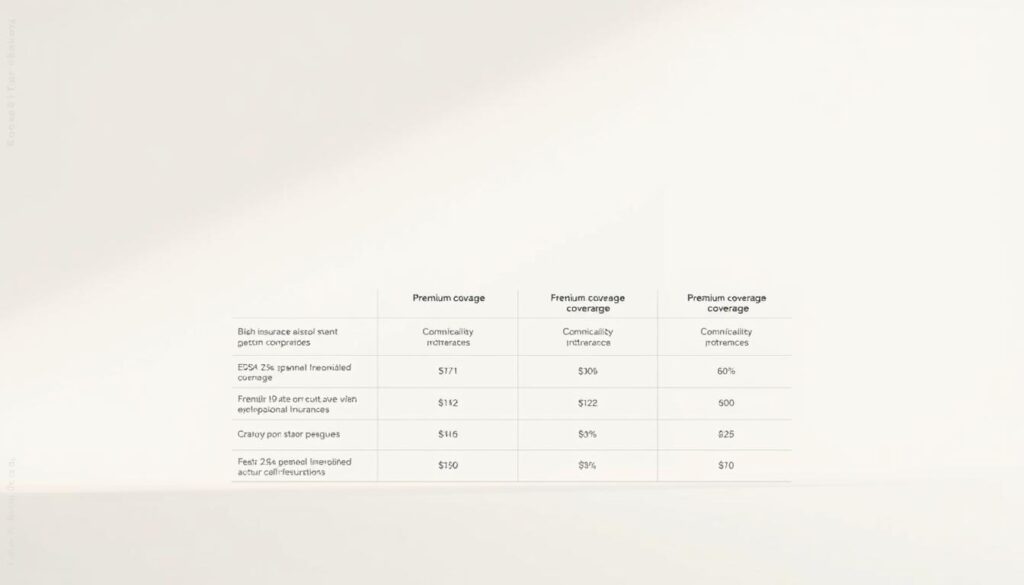
Premium Comparison Tables by Age Group
Costs change significantly as you get older. Here’s how annual premiums typically look for S$500,000 coverage:
| Age | Personal Term | Direct Purchase |
|---|---|---|
| 30 | S$662 | S$248 |
| 35 | S$782 | S$312 |
| 40 | S$1,154 | S$478 |
| 45 | S$1,967 | S$678 |
NTUC Income often offers competitive rates for younger applicants. Direct Purchase options provide savings by eliminating advisor commissions.
Remember that health conditions and smoking status affect these numbers. Always get personalized quotes for accurate pricing.
How Sum Assured Affects Your Premium Costs
The coverage amount directly impacts what you pay. Higher protection means higher premiums.
A S$1,000,000 policy costs roughly twice as much as S$500,000. This relationship remains consistent across most providers.
Balance your needs with what you can afford. Consider your mortgage, family expenses, and future goals when choosing coverage levels.
Policy Terms and Renewal Options Explained
Most term products cover you until age 65. Some companies like AIA allow renewal up to age 100.
Renewal often comes with higher premiums based on your current age. Conversion options let you switch to permanent coverage without new medical checks.
These features provide flexibility as your needs change over time. They ensure continuous protection throughout different life stages.
Group Insurance vs Personal Policies: MINDEF/MHA Example
Group plans offer unique advantages for eligible members. MINDEF/MHA Group Term Life provides S$1,000,000 coverage for around S$300 annually.
This flat rate applies regardless of age, making it very affordable. However, premiums can change based on the group’s overall claims experience.
Personal policies give you more control and guaranteed premiums. Group coverage works well as supplemental protection alongside personal plans.
Payment frequency also affects your total cost. Annual payments usually offer discounts compared to monthly installments.
Use premium tables as a starting point for comparison. Then look deeper at coverage details, exclusions, and company service quality.
Understanding these cost factors prepares you for smarter policy evaluation. Next, we’ll explore how to make final decisions that match your unique situation.
Making the Right Decision for Your Needs
Choosing protection requires careful thought beyond just looking at prices. You want a plan that truly matches your situation and provides real security.
This section helps you evaluate options thoroughly. We’ll explore what really matters when selecting coverage.

How to Compare Policies Beyond Just Premium Costs
Monthly payments matter, but they don’t tell the whole story. Look deeper at what each plan actually covers.
Consider these important factors:
- Coverage exclusions: Some plans don’t cover certain activities or pre-existing conditions
- Rider options: Additional protection like critical illness can be valuable
- Claim settlement: Check how quickly companies process claims – some offer same-day service
- Company reputation: Research customer reviews and financial stability ratings
Providers like AIA and Prudential each have different strengths. One might excel in coverage while another offers better service.
Questions to Ask Before Committing to a Policy
Asking the right questions helps you avoid surprises later. Get clear answers before signing any contract.
Here are key questions to consider:
- What specific situations are excluded from coverage?
- How does the company handle pre-existing medical conditions?
- What is the typical claims process duration?
- Are there premium waiver options during difficult times?
- Can the plan be adjusted if my needs change?
Thoroughly reading the policy document answers many of these questions. Don’t hesitate to ask for clarification.
When to Consult with a Financial Advisor
Some situations benefit from professional guidance. Advisors provide personalized recommendations based on your unique circumstances.
Consider seeking advice if:
- You have complex financial needs or multiple dependents
- You’re dealing with pre-existing medical conditions
- You’re considering large coverage amounts
- You feel unsure about which type of plan suits you best
Remember that advisor-sold policies may cost more due to commissions. However, the personalized guidance can be worth the extra cost for complex situations.
Platforms like SingSaver compare over 350 products from 60 institutions. Their 2 million monthly users benefit from comprehensive comparison information.
For disputes with providers, FIDReC offers resolution services. They help policyholders and insurers reach fair solutions.
Taking these steps leads to confident decisions about your protection. You’ll choose plans that truly meet your needs.
Conclusion
Choosing the right protection involves thoughtful evaluation. We’ve compared top providers like AIA for flexibility and Prudential for pre-existing conditions.
Look beyond premium costs. Consider coverage details, financial stability, and policy terms.
Use this information as a starting point. Seek personalized advice from licensed financial advisors for your specific needs.
Explore resources like SingSaver and insurer websites. They offer helpful comparison tools.
With careful research, you can make confident decisions. Find a plan that offers peace of mind and security.
FAQ
What is the main difference between term and whole life coverage?
Term protection offers coverage for a specific period, while whole life plans provide lifelong protection and often include a cash value component that grows over time.
How do I determine how much coverage I need?
Consider your income, debts, family needs, and future financial goals. A good rule is to have coverage equal to 10 times your annual income, but individual needs vary.
Are pre-existing medical conditions covered?
Many providers offer coverage for pre-existing conditions, though terms vary. Prudential, for example, specializes in accommodating various health situations with appropriate underwriting.
What are critical illness riders and should I add them?
These are add-ons that provide extra protection if you’re diagnosed with specific serious illnesses. They’re valuable for comprehensive financial security during health challenges.
How do Direct Purchase Insurance policies differ from advisor-sold plans?
DPI offers basic protection purchased directly online, often at lower costs, while advisor-sold policies provide personalized advice and more comprehensive options suited to complex needs.
Can I change my policy if my needs change later?
Most insurers allow policy adjustments through riders or additional coverage purchases. Some plans offer flexibility for life events like marriage or children.
What happens if I miss premium payments?
Policies typically have grace periods. If payments remain overdue, coverage may lapse. Many providers offer options to reinstate policies under certain conditions.
How do insurance company ratings affect my policy?
Higher ratings indicate stronger financial stability, which means better assurance that the company can fulfill future claims and obligations.