
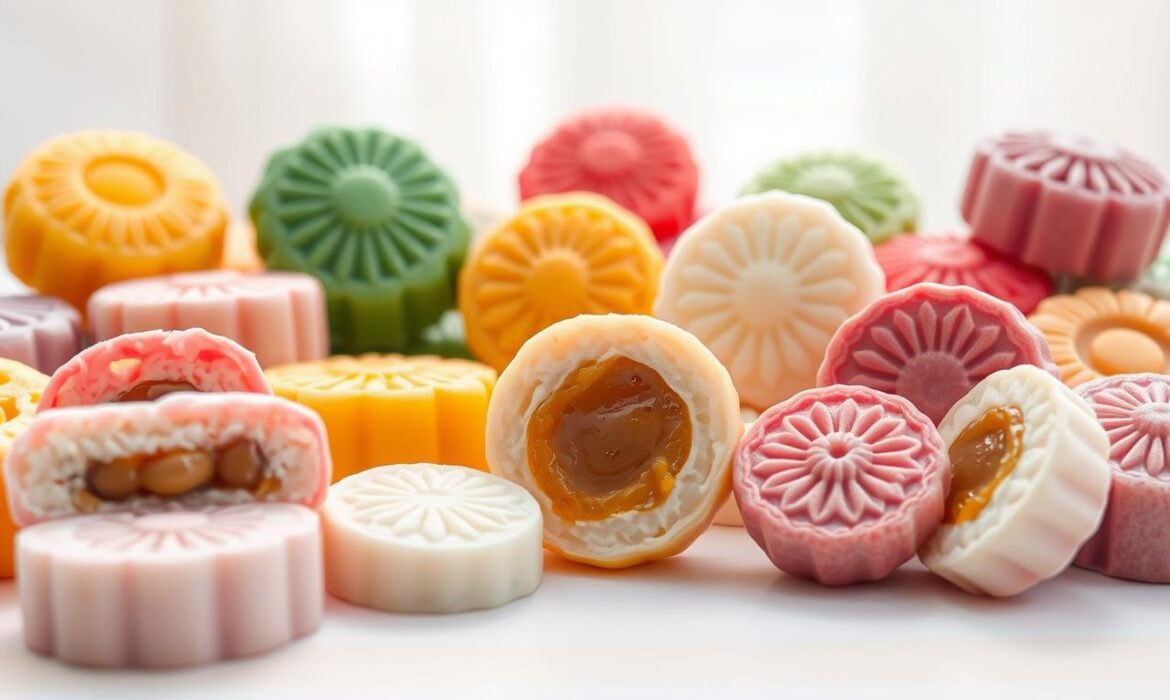
Discover the wonderful world of this beloved traditional snack. These colorful treats hold a special place in local culture and food traditions.
Many people think these snacks are too sticky or sweet. We’re here to show you that’s not always true. Our guide will help you find amazing versions of this classic food.
We’ve done extensive research to create this list. You’ll find both famous spots and hidden treasures. Each place offers something unique and delicious.
Quality matters when it comes to these handmade treats. The best ones differ greatly from mass-produced versions. We’ll help you understand what makes them special.
Get ready to explore both traditional and modern flavors. Our recommendations are current for this year. Let’s find your new favorite snack together!
Key Takeaways
- Ang ku kueh is a culturally significant traditional snack with deep roots in local food culture
- High-quality versions avoid being overly sticky or sweet when made properly
- This guide includes both well-established favorites and lesser-known hidden gems
- Handcrafted preparation makes a significant difference in texture and flavor
- Both traditional recipes and modern flavor innovations are available throughout the city
- All recommendations are current and verified for quality and authenticity
- Proper selection and storage techniques enhance your enjoyment of these treats
What is Ang Ku Kueh?
Have you ever wondered about the story behind those colorful, chewy treats? These delightful snacks carry deep cultural meaning beyond their tasty appearance.
The Meaning Behind the Name
The name translates to “red tortoise cake” in Hokkien dialect. This comes from its distinctive reddish color and unique shell-like shape.
Turtles symbolize longevity and good fortune in Chinese culture. The molded shape often features the character “shou,” meaning long life. This represents wishes for health and prosperity.
Traditional Significance and Uses
Color plays an important role in these traditional foods. Red versions celebrate happy events like birthdays. Darker varieties mark solemn occasions.
These items serve important roles in religious practices. They appear as temple offerings during festivals. They also feature in family ceremonies and celebrations.
One special use involves welcoming new family members. These treats make popular gifts during a baby’s first month. They symbolize growth and blessings for the child.
The outer layer uses glutinous rice flour for its chewy texture. Inside, you’ll find sweet fillings like mung bean or peanut paste. These classic flavors remain popular choices.
Understanding these cultural elements adds depth to your eating experience. It transforms simple snacking into meaningful cultural appreciation.
Next, we’ll explore how these traditions influence modern quality standards. The cultural background directly affects what makes excellent versions today.
What Makes Great Ang Ku Kueh
Many factors contribute to an outstanding version of this traditional food. Let’s explore the key elements that separate average treats from exceptional ones.
The Perfect Skin Texture
A superior skin should feel smooth and delicate. It must offer pleasant chewiness without being sticky or oily.
This quality depends on the precise balance of glutinous rice flour and water. Expert makers adjust ratios daily based on humidity and temperature changes.
Handcrafting allows for these subtle adjustments. Machines cannot replicate this human touch.
“The ideal skin should melt in your mouth while maintaining its structure. It’s a delicate balance that requires experience to master.”
Quality Fillings Matter
Excellent fillings should be flavorful and well-balanced. They must not overwhelm with excessive sweetness.
Traditional options remain popular choices. Peanut and mung bean pastes serve as classic staples.
Quality versions use natural ingredients throughout. Real durian pulp or freshly ground peanuts create authentic flavours.
Some fillings come as smooth pastes. Others feature chunkier textures for different preferences.
Handmade vs Machine-Made
Handcrafted versions offer superior control over important elements. Artisans can perfect skin thickness and filling consistency.
This attention to detail creates better texture and taste. Machines simply cannot match this level of craftsmanship.
Established businesses like Ji Xiang and Poh Cheu have practiced handmade methods for decades. Their commitment ensures authentic quality that stands the test of time.
| Aspect | Handmade | Machine-Made |
|---|---|---|
| Skin Consistency | Adjusts to daily conditions | Fixed formula |
| Filling Texture | Varied according to type | Uniform always |
| Thickness Control | Precision by experience | Standardized setting |
| Flavour Depth | Rich and nuanced | Consistent but flat |
Always look for freshly made items when possible. They maintain the best texture and flavour profiles.
The harmony between skin and filling defines true excellence. Neither element should dominate the other.
These factors—skin quality, filling excellence, and craftsmanship—create remarkable treats worth seeking out.
Best Ang Ku Kueh Singapore: Top Shops You Must Try
Finding quality traditional snacks requires knowing where to look. We’ve compiled a list of outstanding places that excel at making these treats.
Each location brings something special to the table. Some focus on traditional methods while others embrace innovation. All maintain high standards of quality and flavor.
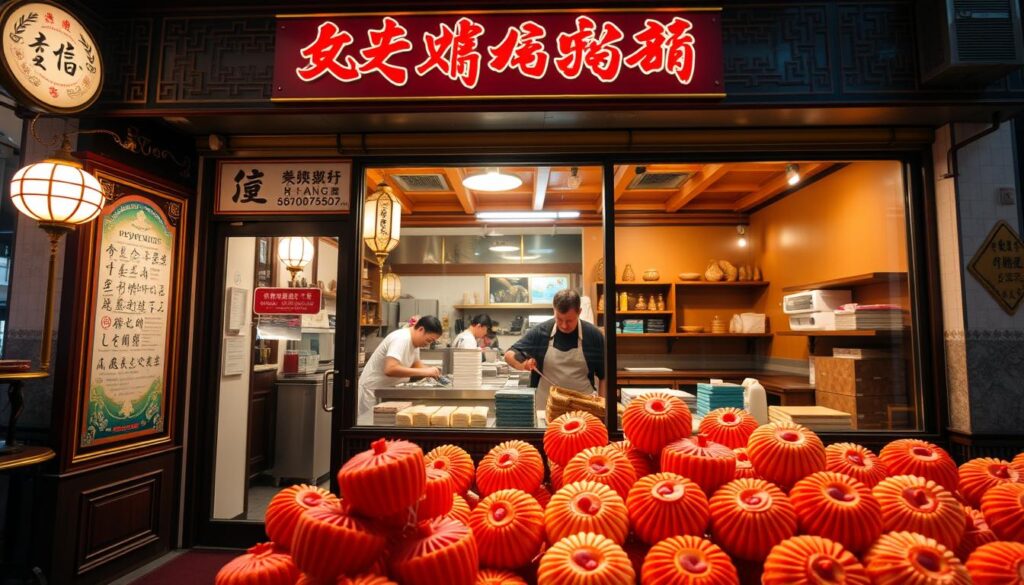
Ji Xiang Confectionery – The Established Favorite
This well-known business started in 1985 and now operates multiple outlets. Their Victoria Street and Everton Park locations remain popular destinations.
The xiang ang kueh features remarkably thin skins with compact fillings. Black sesame offers a rich, coarse texture while durian uses quality mao shang wang pulp.
Prices range from S$1.50 to S$3.50 for premium options. Their consistency keeps customers returning year after year.
Poh Cheu Kitchen – Michelin-Plate Winner
Founded in 1985, this Bukit Merah shop earned a Michelin Plate in 2019. They craft thicker, springier skins that many enthusiasts prefer.
Their unique fillings include peppery salted bean and corn with real pieces. The balance of sweetness demonstrates their mastery of traditional recipes.
Reasonable prices make this poh cheu location accessible to all. The recognition from Michelin confirms their exceptional quality.
146 Famous Bukit Merah Ang Ku Kueh
Operating since 1985 at Jalan Bukit Merah, this stall specializes in peanut-filled versions. They maintain thin skins with solid, flavorful paste.
Traditionalists appreciate their commitment to classic preparation methods. The bukit merah area hosts several excellent options, but this stands out.
Their focus on one primary filling allows for perfection through repetition. Regular customers know they’ll get consistent quality every visit.
Lek Lim Nonya Cake Confectionery
This halal-certified store at Bedok North Street 4 offers affordable treats around S$1.05. They maintain authentic recipes while ensuring accessibility.
Classic flavors like sweet bean and yam satisfy traditional preferences. The lek lim operation demonstrates how quality doesn’t require high prices.
Their nonya cake confectionery selection includes various traditional snacks. This hidden gem deserves more attention from snack enthusiasts.
Kueh Ho Jiak – Colorful Creations
With outlets at Tanjong Pagar Plaza and Chinatown, this shop uses natural sweet potatoes for vibrant skins. Their colorful presentations make them Instagram favorites.
Innovative flavors like durian and yam appeal to modern tastes. The visual appeal matches their delicious flavors perfectly.
They prove that tradition and innovation can coexist beautifully. Each visit offers both visual and culinary enjoyment.
Borobudur Snacks Shop – Bedok’s Hidden Gem
Located at Bedok North Street 3, this store has served locals for decades. They’re known for chunky fillings and exceptional freshness.
Flavors include salted mung bean and yam, all prepared daily. The borobudur snacks operation maintains strong community connections.
Their commitment to freshness ensures every purchase meets high standards. Regular customers appreciate their consistent quality.
Molly Nonya Cake and Confectionery
Based in Hougang, this family-run business offers wide variety at S$0.90 each. Friendly service complements their delicious offerings.
Their nonya cake selection includes both traditional and creative options. The affordable pricing makes experimenting with flavors easy.
Family recipes passed through generations inform their preparation methods. This personal touch adds special meaning to each treat.
HarriAnns Nonya Table
Located at Tiong Bahru Food Centre, this family-run stall operates since the 1940s. Individually wrapped items ensure perfect freshness.
Their nonya cake selection forms part of a broader traditional snack offering. The wrapping process shows their attention to detail.
Generations of experience inform their recipe development and execution. This history translates into exceptional quality treats.
The Ang Ku Kueh Hut – Modern Twist
At Kim Keat Road, this innovative shop offers modern twists like pistachio flavor. They maintain soft, consistent texture across all varieties.
Their creative approach introduces new audiences to traditional snacks. The modern flavors complement rather than overwhelm the classic form.
They demonstrate how innovation can respect tradition while moving forward. Each visit offers something new and exciting.
These establishments represent the pinnacle of traditional snack craftsmanship. Each brings unique strengths whether through tradition or innovation.
Your personal preferences will guide which locations become favorites. Exploring multiple shops lets you appreciate the diversity within this beloved snack category.
Ang Ku Kueh Flavor Guide
Understanding the flavor spectrum of these handmade delicacies enhances your appreciation. The variety available today spans from time-honored classics to exciting contemporary creations.
Each flavor profile offers a unique experience. Traditional options connect you with cultural heritage. Modern interpretations showcase culinary creativity.
Traditional Flavors: Peanut and Mung Bean
Peanut filling remains a beloved classic choice. Roasted nuts create a rich, nutty flavor that can range from slightly bitter to pleasantly sweet.
This traditional option often features in celebrations and religious offerings. Its simplicity evokes nostalgia for many enthusiasts.
Mung bean paste serves as another foundational flavor. The smooth, sweetened preparation enhances the natural bean flavor beautifully.
Texture variations exist between different makers. Some prefer fine, silky textures while others enjoy chunkier versions.
Both options represent the essence of traditional bean paste preparations. They form the heart of this cultural dessert tradition.
Modern Innovations: Durian and Specialty Flavors
Durian flavor has gained tremendous popularity in recent years. Top establishments use quality mao shang wang pulp for authentic taste.
The rich, bittersweet profile appeals to contemporary palates. This represents how traditional treats evolve with modern preferences.
Other specialty options include corn with real pieces and coconut in moist or crunchy variations. Black sesame offers a premium experience with whole seeds or smooth paste.
Innovative shops like Poh Cheu experiment with coffee, green tea, and fruit-infused options. These creative flavours expand the possibilities beyond traditional boundaries.
Premium ingredients like quality black sesame and real durian pulp often command higher price points. The investment delivers exceptional taste experiences worth exploring.
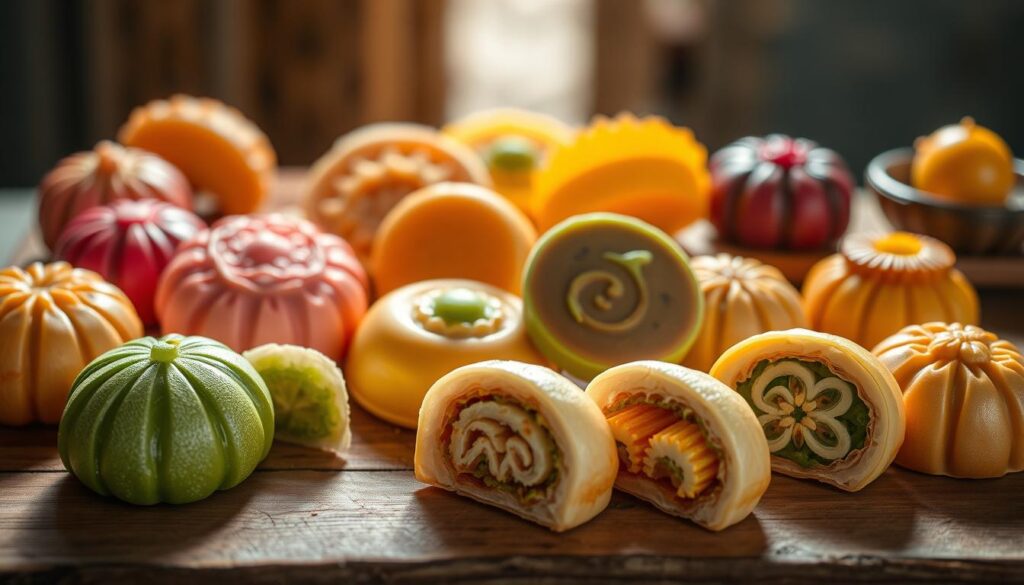
Seasonal and Special Occasion Varieties
Some creators offer limited-time options for festivals and celebrations. Themed colors and special ingredients mark these occasions.
Red versions often celebrate birthdays while darker varieties mark solemn events. This color coding adds meaningful context to your enjoyment.
Seasonal ingredients like pumpkin or mango might appear in limited editions. These reflect both availability and creative inspiration.
Yam and coconut combinations might feature during specific festivals. Sweet bean preparations could receive special seasonal treatments.
These temporary offerings keep the tradition dynamic and exciting. They demonstrate how this food form continues to evolve while respecting its roots.
Exploring both traditional and modern flavours helps you appreciate the full range. Your personal preferences will guide which options become favorites.
Different shops excel at specific preparations. Sampling across locations reveals the diversity within this beloved food category.
Knowing these flavor profiles enhances your enjoyment significantly. However, proper selection and consumption techniques complete the experience perfectly.
How to Choose and Enjoy Your Ang Ku Kueh
Selecting and enjoying these traditional treats properly enhances your experience significantly. Proper handling preserves their delicate qualities and maximizes flavor enjoyment.
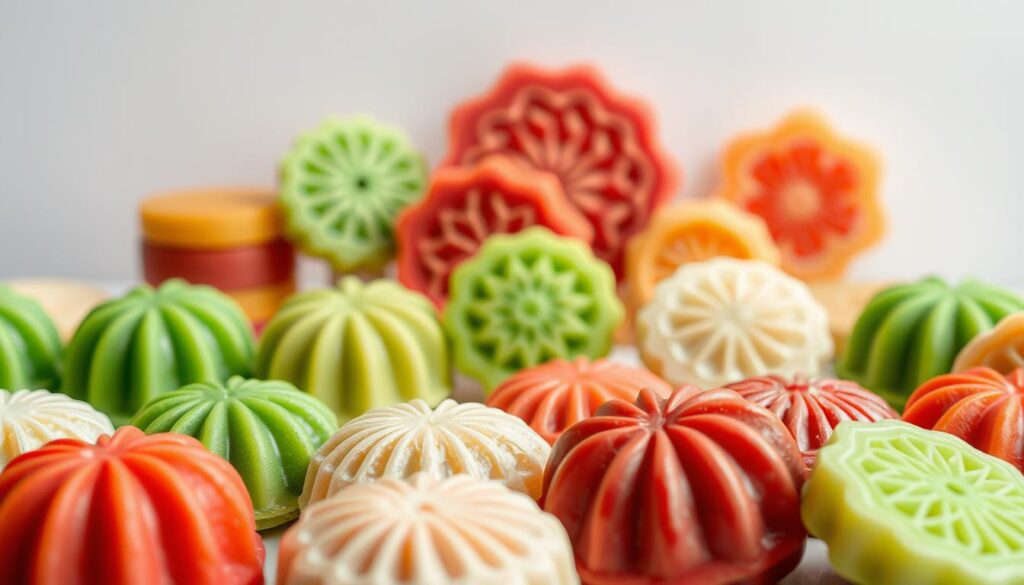
Freshness Indicators to Look For
Excellent treats should have soft, pliable skin that feels fresh. Avoid items that appear dry, hard, or oily to the touch.
The filling should remain moist without leaking through the exterior. Quality versions maintain perfect separation between components.
Always check for shops that prepare items daily. Freshness directly impacts both texture and flavor quality.
Discoloration or separation between layers indicates older stock. Trust your nose—fresh treats should smell clean without odd odors.
Serving Suggestions with Coffee or Tea
These traditional snacks pair wonderfully with hot beverages. The bitterness of coffee balances their natural sweetness perfectly.
Tea offers another excellent companion choice. Its subtle flavors complement rather than overwhelm the treat’s taste.
Serve at room temperature or lightly warmed. Gentle heating enhances the aroma and softens the texture beautifully.
Enjoy during afternoon breaks or as dessert. This fits naturally into local eating habits and traditions.
Storage Tips for Optimal Enjoyment
Keep in airtight containers at room temperature when consuming within one day. This maintains ideal freshness and consistency.
For longer storage, refrigeration works but affects the skin slightly. Always bring to room temperature before eating.
Brief steaming restores freshness effectively. Just a few seconds revives the chewiness and warmth.
Avoid freezing as it damages structural integrity. The filling and outer layer may separate upon thawing.
Some shops individually wrap items for better preservation. This method helps maintain quality between purchase and consumption.
| Storage Method | Duration | Texture Quality | Recommended For |
|---|---|---|---|
| Room Temperature | 1 Day | Perfect | Immediate Consumption |
| Refrigeration | 2-3 Days | Slightly Altered | Short-Term Storage |
| Steaming Refresh | After Storage | Restored | Improving Older Items |
| Freezing | Not Recommended | Damaged | Avoid This Method |
Always purchase from reputable establishments that prioritize freshness. Asking about preparation times ensures you get the best possible quality.
Proper selection and storage techniques guarantee maximum enjoyment. These methods preserve the delicate balance between skin and filling that defines excellence.
Beyond Ang Ku Kueh: Other Traditional Kueh to Try
Your journey through traditional snacks doesn’t end with those colorful turtle-shaped treats. Singapore’s vibrant food culture offers many other delightful options that share similar heritage and craftsmanship.
Soon Kueh and Related Delicacies
Soon kueh stands out as a savory alternative to sweet treats. This delicacy features translucent skin wrapping turnip and bamboo shoot fillings.
Many enjoy it with sweet sauce for contrasting flavors. You’ll often find this food at establishments that also specialize in other traditional items.
Other popular choices include ondeh ondeh with pandan wrappers and molten gula melaka centers. Kueh salat presents beautiful layered glutinous rice with rich custard.
Kueh lapis offers steamed colorful layers that create visual and taste appeal. These items share the careful preparation methods that define quality traditional dessert options.
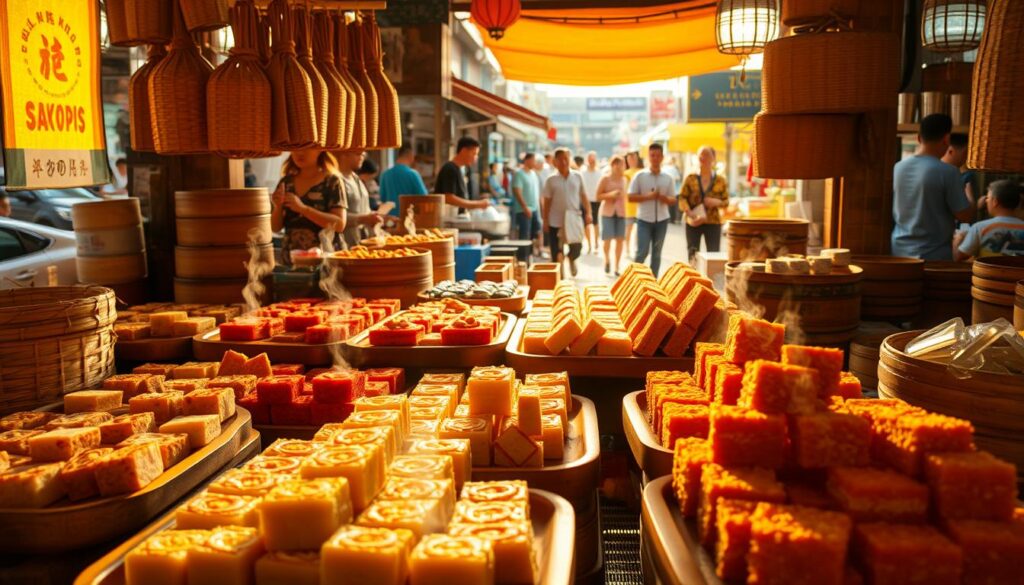
Where to Find Complete Kueh Selections
Several establishments offer impressive varieties beyond their main specialties. These shop locations provide perfect opportunities to explore different flavors.
Lek Lim Nonya Cake Confectionery in Bedok maintains halal certification while offering diverse options. Their selection includes various traditional creations alongside modern interpretations.
HarriAnns Nonya Table at Tiong Bahru Food Centre operates as a family business with generations of experience. They provide kueh ko sui and rainbow lapis among their offerings.
Molly’s Nonya Cake and Confectionery in Hougang stands out for affordability and variety. Their inventory includes durian ah boon and soon kueh at accessible prices.
Many of these locations now offer online ordering for convenience. This makes sampling different varieties from home surprisingly easy.
Exploring during festivals reveals special seasonal creations. These occasions highlight the cultural significance behind these traditional foods.
Your appreciation for local food culture deepens when you explore beyond single items. Each store visit becomes an opportunity to discover new favorites.
The turtle-shaped treat serves as just the beginning of your culinary adventure. Singapore’s rich heritage offers countless delicious discoveries waiting for you.
Conclusion
Your adventure into this delightful snack world is just beginning. From time-honored classics to modern twists, each treat offers a unique taste experience.
Remember to seek out those with thin, chewy skins and flavorful fillings. Handmade craftsmanship truly makes a difference in quality.
Enjoy your finds with coffee or tea for the perfect pairing. Store them properly to maintain freshness throughout the day.
These colorful creations carry deep cultural meaning beyond their delicious taste. They connect us to traditions and celebrations.
We invite you to share your favorite discoveries with fellow enthusiasts. Happy tasting and many joyful moments ahead!
FAQ
What exactly is ang ku kueh?
Ang ku kueh is a traditional steamed pastry with a soft, chewy skin made from glutinous rice flour. It’s typically filled with sweet mung bean or peanut paste and is shaped like a tortoise shell, which is considered a symbol of longevity and good fortune.
How do I know if an ang ku kueh is fresh?
A fresh pastry will have a soft, slightly sticky texture that’s tender to the touch. The skin should not be dry or cracked, and the filling should taste rich and flavorful without being overly sweet or stale.
Can I find modern flavors like durian or yam?
Absolutely! Many shops now offer creative options beyond the classic fillings. You can find varieties featuring durian, black sesame, yam, and even sweet potato at places like Kueh Ho Jiak and The Ang Ku Kueh Hut.
How should I store ang ku kueh to keep it fresh?
It’s best to enjoy your kueh on the same day for optimal texture. If storing, keep it in an airtight container at room temperature for up to a day, or refrigerate for slightly longer—though the skin may firm up a bit.
What other traditional kueh should I try?
If you enjoy ang ku kueh, you might also like soon kueh (steamed dumplings with turnip filling) or other Nyonya treats. Stores like Lek Lim Nonya Cake Confectionery and HarriAnns offer a wide range of these delicacies.
Is there a difference between handmade and machine-made ang ku kueh?
Yes! Handmade versions often have a more delicate skin and richer, carefully prepared fillings. Many beloved shops, such as Ji Xiang Confectionery and Poh Cheu, take pride in crafting each piece by hand.