

Top Picks: Best Mutton Soup Singapore Restaurants
Singapore’s food scene is a melting pot of flavors, and few dishes capture its diversity like mutton soup. From herbal-infused broths to rich, spiced renditions, this comforting dish reflects the city’s multicultural roots. Whether you crave the warmth of Chinese herbal recipes or the bold spices of Malay sup kambing, there’s a bowl for every palate.
What sets a great version apart? It’s all about the broth—slow-simmered for depth—and tender meat that falls off the bone. Across hawker centers and heritage neighborhoods like Chinatown, generations-old stalls craft these traditions into unforgettable meals. Ready to explore? Let’s dive into the top spots.
Key Takeaways
- Singapore offers both Chinese herbal and Malay-style sup kambing variations.
- Broth quality and meat tenderness are critical for an exceptional dish.
- Iconic stalls often cluster in historic areas like Jalan Besar.
- Older establishments boast decades of perfected recipes.
- Modern eateries add creative twists to classic flavors.
1. Ming Shan Mutton Soup: A Heritage Chinese Herbal Delight
Teochew traditions come alive at Ming Shan, where ribs and tripe meet a broth simmered to perfection. Since 1943, this stall at Chinatown Complex has preserved recipes that turn humble ingredients into soul-warming bowls. Their secret? A meticulous balance of herbs and slow-cooked Chinese mutton.
Signature Dishes to Try
The Mixed Mutton Soup Special ($8+) is a carnivore’s dream. It piles tender meat, gelatinous tendon, and springy meatballs into one bowl. For a lighter option, the Mutton Meesua Soup ($6+) pairs silky noodles with the same aromatic base.
What Makes Their Broth Unique
Six hours of simmering with dang gui and goji berries creates depth without bitterness. The herbs neutralize the gamey taste, leaving a clean, earthy finish. Regulars swear by the collagen-rich texture—proof that patience pays off.
Location and Dining Tips
Find them on the second floor of Chinatown Complex (near the MRT exit). Skip lunch rushes (11am–2pm) and opt for mee sua over rice—it soaks up the broth better. Note: The stall isn’t air-conditioned, but the flavors make up for it.
2. Haji M. Abdul Rajak: The Legendary Sup Kambing Stall
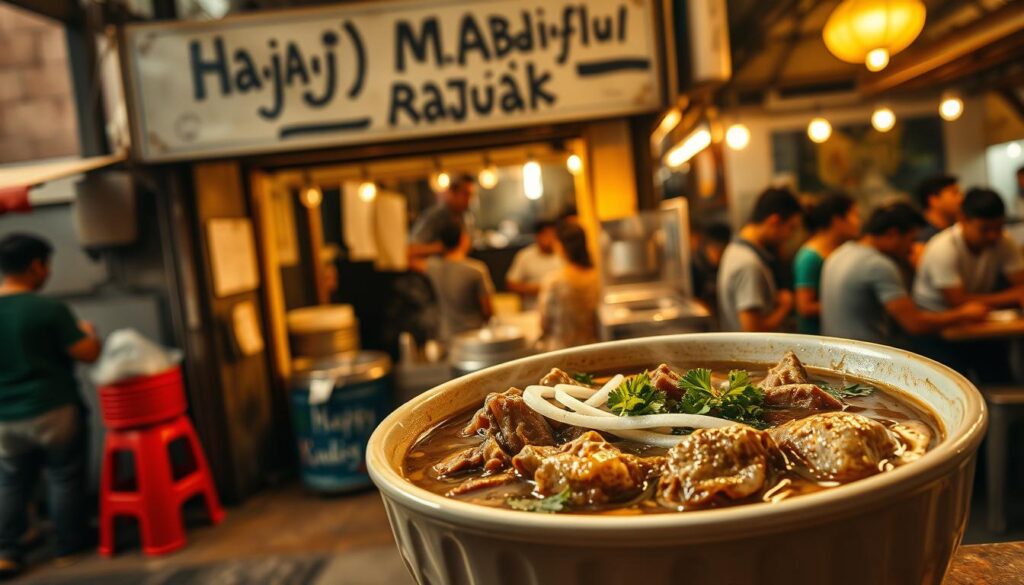
At Upper Boon Keng Market, a 70-year-old legacy simmers in a giant pot of spiced broth. Founded in 1955, Haji M. Abdul Rajak began as a humble pushcart and now thrives at stall #01-03, drawing crowds with its sup kambing—a Malay-style kambing stew rich with history and flavor.
Why Their Soup Kambing Stands Out
The secret? A 12-hour brew extracting marrow from bones, creating a collagen-rich broth with a velvety texture. Coriander, turmeric, and cumin—the spices in their guarded blend—cut through the gamey taste, leaving warmth without heaviness. Regulars swear by the free refills from the ever-bubbling pot.
Adventurous Add-Ons (Brain, Tongue, and More)
Dare to try the Mixed Bowl ($18), loaded with tender meat, creamy brain (reminiscent of foie gras), and chewy tongue. Pair it with their house-made dark soy dip for bread—a trick locals love. The tendon, slow-cooked to gelatinous perfection, adds another layer of texture.
Family Legacy and Opening Hours
Three generations have perfected this recipe, using the same techniques from their pushcart days. Open daily from 11am to 11:30pm, it’s a rare spot for late-night sup kambing cravings. Pro tip: Visit post-9pm to avoid the dinner rush at this Upper Boon Keng institution.
3. Hong Wen Mutton Soup: A Hidden Gem at Jalan Besar
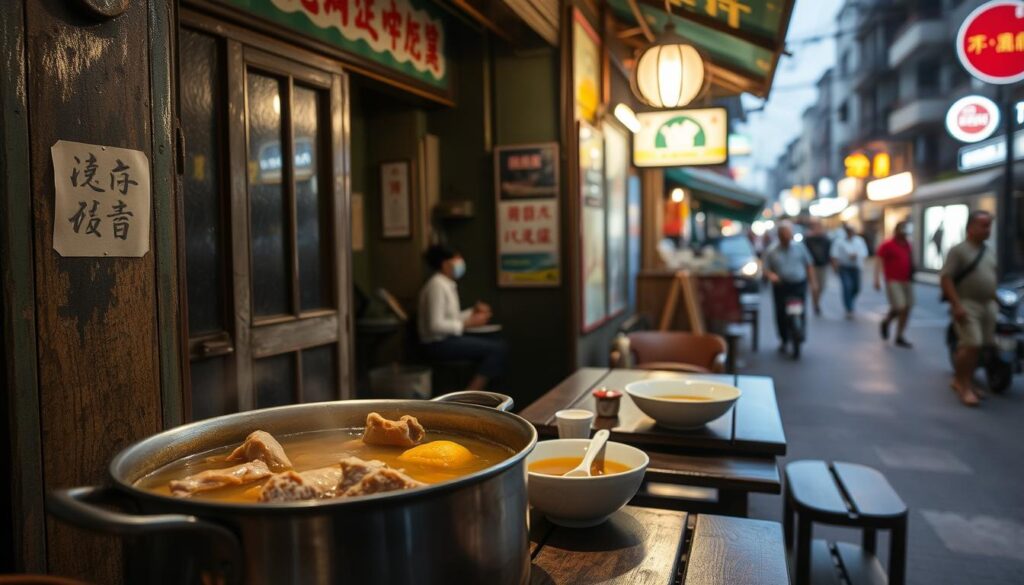
Tucked away in Jalan Besar, Hong Wen Mutton Soup serves up comforting bowls with a loyal following. This stall masters the art of simplicity—think clean flavors, tender meat, and a broth that’s neither too heavy nor too light. Perfect for office workers and food explorers alike.
Tender Meat and Fragrant Broth
Shoulder cuts simmer for hours until they’re fork-tender, absorbing spices like star anise and cinnamon. The broth strikes a rare balance—lighter than Teochew versions but richer than typical Malay sup kambing. A sprinkle of fried shallots adds crunch.
Affordable Bowls for Every Budget
Prices start at just $5, making it a steal for the quality. Compare portions:
| Item | Price (SGD) | Features |
|---|---|---|
| Regular Bowl | 5 | Meat + broth + rice |
| Special Bowl | 8 | Extra meat, tendon, fried shallots |
| Noodle Upgrade | +1 | Mee sua or yellow noodles |
Best Time to Visit
Weekdays from 2–4 PM mean shorter lines. Avoid lunch rushes (12–1:30 PM) unless you’re patient. Pro tip: Ask for extra shallots—they’re free and elevate the dish.
4. Berseh Food Centre’s Mutton Soup: A Local Favorite
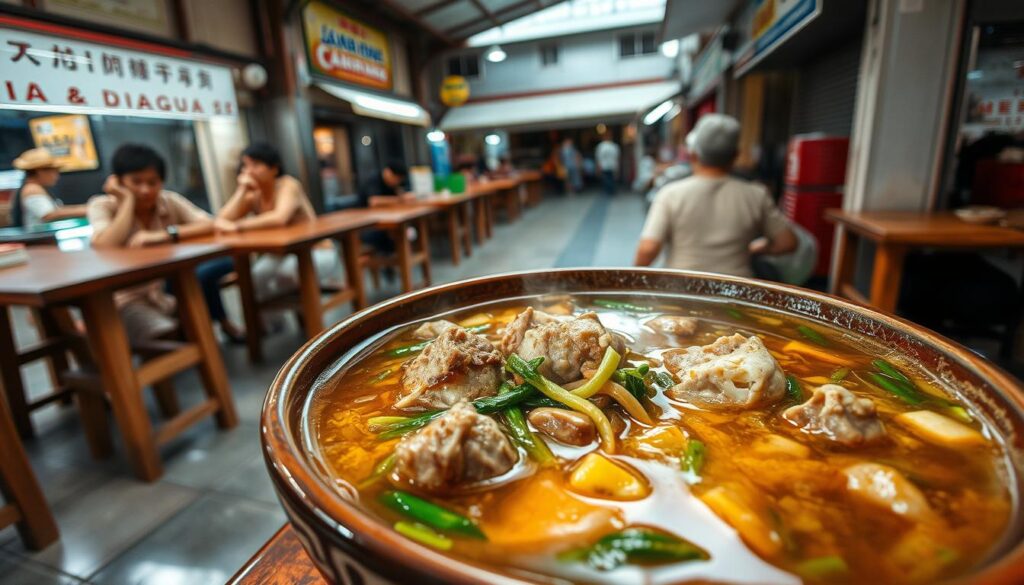
Generations of Singaporeans have sworn by Berseh Food Centre’s rich, meaty bowls of comfort. This market food centre staple has perfected its recipe over decades, serving generous cuts of tender meat in a broth layered with earthy spices and herbal notes.
Hearty Portions and Rich Flavors
Every bowl here is a feast—think thick slices of meat swimming in a deeply flavored broth. The secret? A 10-hour simmer with star anise, cinnamon, and a touch of ginger to cut through the richness.
Don’t miss their signature chili dipping sauce, a fiery blend that locals drizzle over meat or mix into the broth for extra kick.
Pairing Suggestions (Bread, Rice, or Noodles)
Carb lovers rejoice: the market food centre offers three winning pairings. Crispy French loaf soaks up the broth beautifully, while jasmine rice balances the bold flavors. For something heartier, opt for springy yellow noodles.
Why Locals Keep Coming Back
Consistency is key at Berseh Food Centre. Open from 8 AM till late, it’s a reliable spot for breakfast bowls or post-market meals. Regulars praise the combo deals—pair your soup with a chilled barley drink for the full experience.
Pro tip: Visit early to snag a seat, then explore the nearby wet market for fresh ingredients to recreate the magic at home.
Conclusion: Savor the Best Mutton Soup in Singapore
From hawker stalls to heritage spots, these bowls tell a story of tradition and taste. Whether you prefer herbal-infused broths or fiery spices, each mutton soup spot offers a slice of the city’s diverse flavors.
Rain or shine, it’s the ultimate comfort food. Explore Chinatown’s herbal gems or a bustling food centre for bold Malay renditions. Each style celebrates Singapore’s culinary mosaic.
Pro tip: Alternate between styles to appreciate the range. Share your favorites online—tag the stalls that stole your heart. All locations are MRT-friendly, making tastings a breeze.
FAQ
Where can I find the most flavorful Chinese herbal mutton soup?
Ming Shan Mutton Soup serves a rich, herb-infused broth with tender meat, making it a must-try for fans of traditional flavors.
What makes Haji M. Abdul Rajak’s Sup Kambing special?
Their broth is slow-cooked with aromatic spices, and they offer unique add-ons like brain and tongue for those seeking an adventurous bite.
Is Hong Wen Mutton Soup budget-friendly?
Yes! Their bowls are affordable without compromising on taste, featuring fragrant broth and fall-off-the-bone meat.
What’s the best time to visit Berseh Food Centre’s stall?
Arrive early during lunch hours to avoid long queues—their generous portions and rich flavors draw crowds daily.
Can I pair mutton soup with rice or noodles?
Absolutely! Many stalls offer rice or bread for dipping, while others serve it with noodles for a heartier meal.
Top Picks: Best Tingkat Singapore Services
Busy schedules make home-cooked meals a challenge for many households. That’s where convenient meal delivery options come in. These services offer fresh, ready-to-eat dishes delivered straight to your doorstep.
With rotating menus featuring over 200 dishes, you’ll enjoy variety without the hassle of cooking. Options cater to different dietary needs, including Healthier Choice-certified meals. Starting at just $4.90 per day, it’s an affordable alternative to dining out.
Whether you need daily lunches or family dinners, these providers simplify meal planning. Let’s explore the top choices that balance taste, nutrition, and convenience.
Key Takeaways
- Daily meal delivery saves time for busy households
- Rotating menus offer 200+ dish options
- Budget-friendly plans start under $5 per meal
- Includes Healthier Choice and special diet options
- Convenient alternative to restaurant dining
What Is Tingkat Delivery?
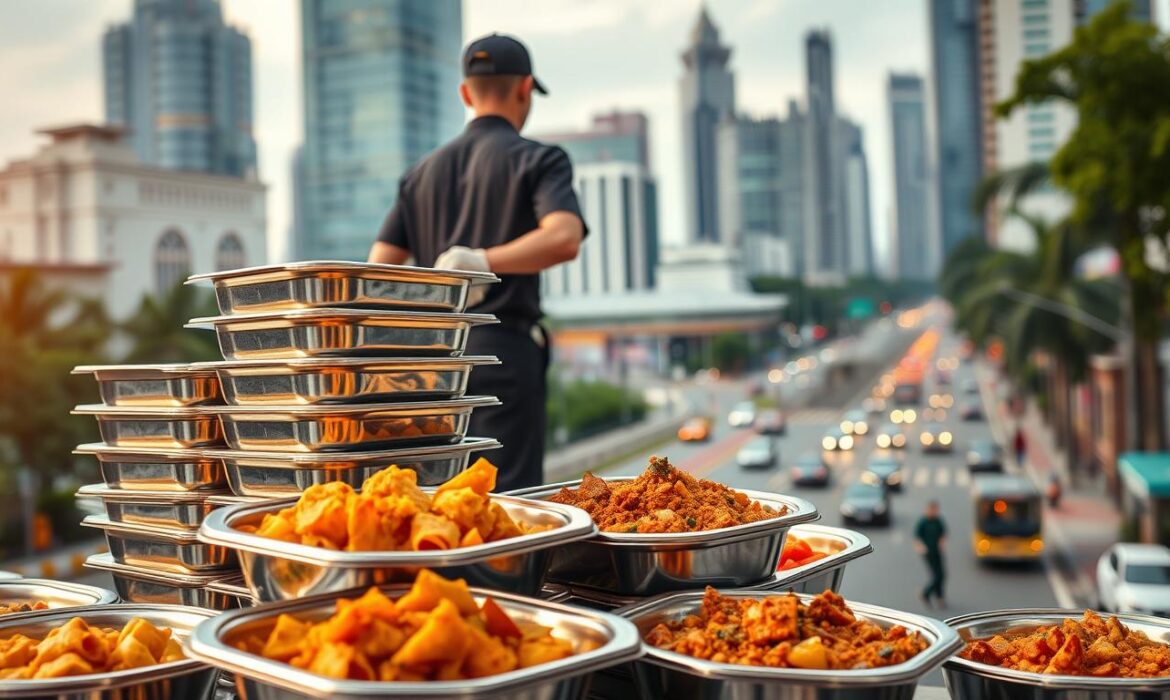
Stacked meals have evolved from nostalgic tiffin carriers to today’s convenient service. Originally designed in the 1950s, these tiered metal containers kept lunches warm for workers. Now, they’re reimagined as time-saving meal solutions for busy households.
The Traditional Meal Solution
Modern versions retain the charm of stacked tins but use microwave-safe containers. Each set typically includes three flavorful dishes, a hearty soup, and rice—white or brown. This balanced combo covers lunch dinner needs without repetition.
How Tingkat Delivery Works
Providers deliver thermal-insulated bags between 10 AM and 7 PM. Subscriptions often run 10–20 days, with flexible scheduling for family plans. Meals arrive ready to eat, minimizing kitchen cleanup.
International cuisines now join traditional options, expanding choices. Whether you crave local favorites or global flavors, these services adapt to your taste.
Why Choose Tingkat Services in Singapore?
Modern life leaves little time for cooking, making meal delivery a smart choice. These services blend tradition with modern convenience, offering freshly prepared dishes tailored to busy lifestyles. Here’s why they’re gaining popularity.
Convenience for Busy Lifestyles
Save 7+ hours weekly on meal prep and cleanup. With deliveries spanning 10+ days, you’ll have more time for work or family. Perfect for professionals needing quick lunch solutions or parents juggling after-school activities.
Healthier Meal Options
Enjoy healthy tingkat choices like MSG-free dishes under 600 calories. Providers like Green Kitchen use quality ingredients, catering to vegan, halal, or low-sodium diets. Corporate subscriptions surged 40% post-COVID, proving their appeal.
Cost-Effective Compared to Eating Out
A 2024 survey shows these meals are 67% cheaper than GrabFood. Families save roughly $150 weekly versus hawker centers. With dinner options starting at $4.90, it’s a budget-friendly way to eat well.
Best Tingkat Singapore Services: Our Top Picks
Finding reliable meal providers requires thorough evaluation of quality and service. We assessed 32 catering tingkat options using 15 strict criteria, from food safety to portion sizes. Here’s how we narrowed down the top choices.
Our Selection Process
Our team mystery-ordered 120+ meals to test consistency. Dishes were judged on temperature, flavor balance, and presentation. Providers with ISO22000 certification, like Kim Paradise, scored higher for hygiene.
We also tracked:
- Customer service: Response times under 8 minutes via WhatsApp
- Sustainability: Reusable container systems (e.g., Select Catering)
- Menus: Variety and dietary accommodations (vegan, halal)
CSR policies and delivery reliability were tie-breakers. The result? A curated list of providers that excel in taste and trust.
1. Ding Caters Singapore
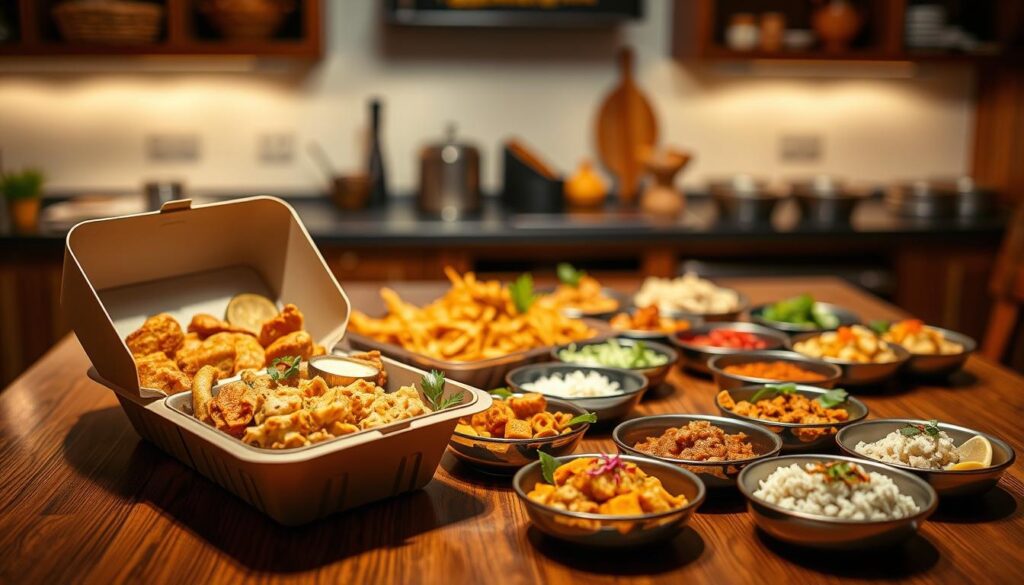
Ding Caters Singapore stands out with its adaptable meal solutions for diverse palates. Their focus on customization ensures every dish aligns with your taste, whether you prefer mild flavors or protein substitutions.
Non-Spicy Replacement Dishes
Spice-sensitive diners appreciate their Peranakan ayam buah keluak, expertly prepared without chili. The kitchen team gladly adjusts heat levels or swaps proteins upon request—ideal for 3-pax family meals with varying preferences.
Pricing and Delivery Areas
At $10.95 per pax, their 20-day commitment plan balances cost and convenience. While CBD addresses are excluded, deliveries cover 92% of residential areas. Pro tip: Combine lunch and dinner for $19.80/day savings.
- Rice upgrade: Brown rice available for a $1 surcharge
- Delivery windows: Timely drop-offs between 11 AM–2 PM
- Menu rotation: 15+ signature dishes weekly
2. Green Kitchen
Elevating home dining with chef-crafted meals, Green Kitchen brings gourmet flavors to your doorstep. Specializing in *healthy tingkat* options, they blend nutrition with Michelin-star techniques for unforgettable dishes.
Michelin-Star Trained Chefs
Their executive chef trained under Alain Ducasse, ensuring every *meal* meets fine-dining standards. Dishes like gluten-free laksa with kelp noodles showcase innovative twists on local favorites.
Healthy and Sustainable Meals
Carbon-neutral electric trikes deliver compostable sugarcane containers—meals stay fresh without harming the planet. Reviews praise their 4.9/5 taste consistency, a testament to quality.
- Premium pricing: At $22.15 per *meal*, it’s a splurge for health-conscious diners.
- Delivery days: Limited to Sunday-Tuesday, ideal for weekly meal prep.
- Signature dish: MSG-free *healthy tingkat* sets with brown rice upgrades.
3. Kim Paradise
Meal variety and affordability make Kim Paradise a standout choice for Singaporean families. Their rotating menus and heritage recipes cater to those who crave both tradition and convenience.
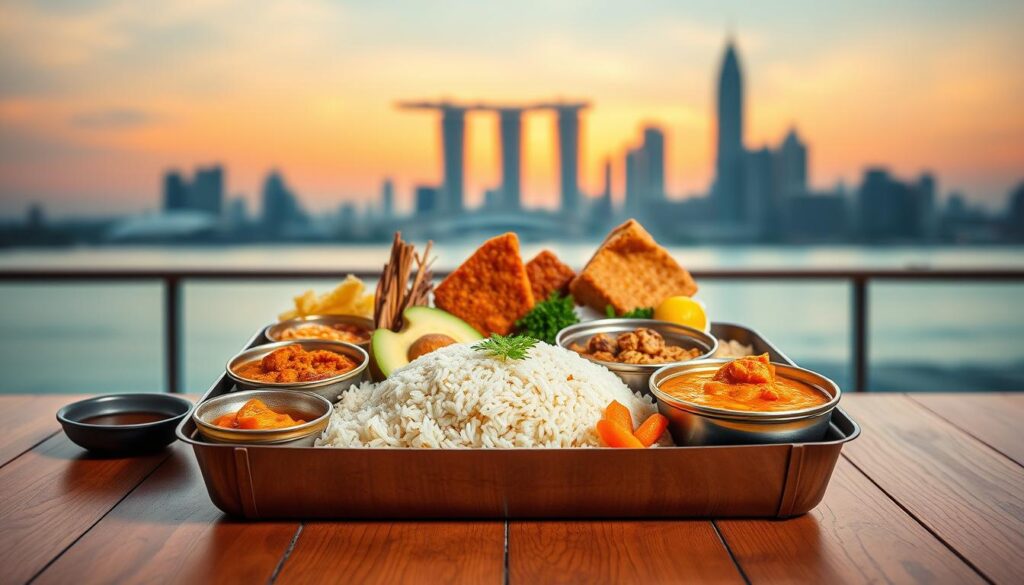
Over 200 Rotating Dishes
With an 8-week menu cycle, Kim Paradise ensures you’ll rarely repeat dishes. Their third-generation Hokkien braised pork is a crowd favorite, showcasing decades-old techniques.
For an extra $38, add their herbal black chicken soup—a nourishing supplement perfect for busy weeks.
Affordable Family Plans
Their 10-day package for four adults costs just $348.80, averaging $6.50 per meal. East and West delivery zones enjoy priority slots, making it ideal for family dinners.
Loyal customers receive festive perks like free CNY pineapple tarts—a sweet nod to their commitment to community.
4. Neo Garden Catering
Neo Garden Catering brings global flavors to your dining table with its diverse menu options. Their catering service stands out by blending Asian and Western influences in every meal.
International Cuisine Options
Thai Tuesdays feature authentic tom yum soup and green curry in their $7.25 Omakase plan. A Korean consultant chef ensures their kimchi has perfect fermentation—just one example of their global dishes.
Weekly specials rotate between Japanese donburi and Vietnamese pho. This variety keeps meals exciting for adventurous eaters.
Family and Healthier Choice Plans
Their healthy tingkat option packs 30% more vegetables than standard meals. Corporate groups of 50+ receive complimentary dessert with orders.
- Eco-conscious: 97% plastic-free packaging
- Portion sizes: Generous servings for sharing
- Coverage: Limited availability in West regions
With balanced nutrition and international flair, Neo Garden makes every meal feel special. Their commitment to sustainability adds extra appeal for eco-aware diners.
5. Best Catering
A hidden gem for cost-effective, MSG-free meals that don’t skimp on portion sizes. This provider combines affordability with homestyle flavors, making it a top pick for budget-conscious families.
Midweek Local Delights
Wednesdays bring their signature nasi lemak with otah—crispy, fragrant, and a crowd-pleaser. Dishes average 380g per serving, ensuring no one leaves the table hungry.
Budget-Friendly Options
At just $5.50 per pax, it’s the cheapest certified MSG-free service in town. Long-term subscribers save 15% on 60+ day plans, with free sambal upgrades upon request.
- Flexible cancellations: 3-day notice for plan adjustments
- Portion control: Ideal for solo diners or sharing
- Local touch: Sambal adds an extra kick to every meal
6. Empress Porridge
Parents juggling work and childcare will appreciate Empress Porridge’s thoughtful meal solutions. Their $28.28 family plan features bone-free fish dishes and cleverly disguised veggies, making nutrition effortless.
Nutritious Kids’ Meals
Young picky eaters devour their hidden-veggie chicken nuggets, packed with blended carrots and spinach. The kids’ menu always includes a comforting herbal soup and fruit dessert—no mealtime battles required.
Adult Bento-Style Lunches
Grown-ups enjoy restaurant-quality bento boxes with one protein main and three artfully arranged sides. For special occasions, upgrade to their $18 truffle-infused porridge—a luxurious lunch alternative that rivals hotel dining.
- Parent perks: Free disposable bibs with every child meal
- Delivery note: High-rise CBD addresses excluded due to logistics
- Flexible timing: Perfect for after-school snacks or early dinner
7. FattyDaddyFattyMummy
Balancing nutrition and convenience, FattyDaddyFattyMummy delivers Health Promotion Board-approved meals. Their $13.50 daily plans combine certified dishes with chef techniques for guilt-free enjoyment.
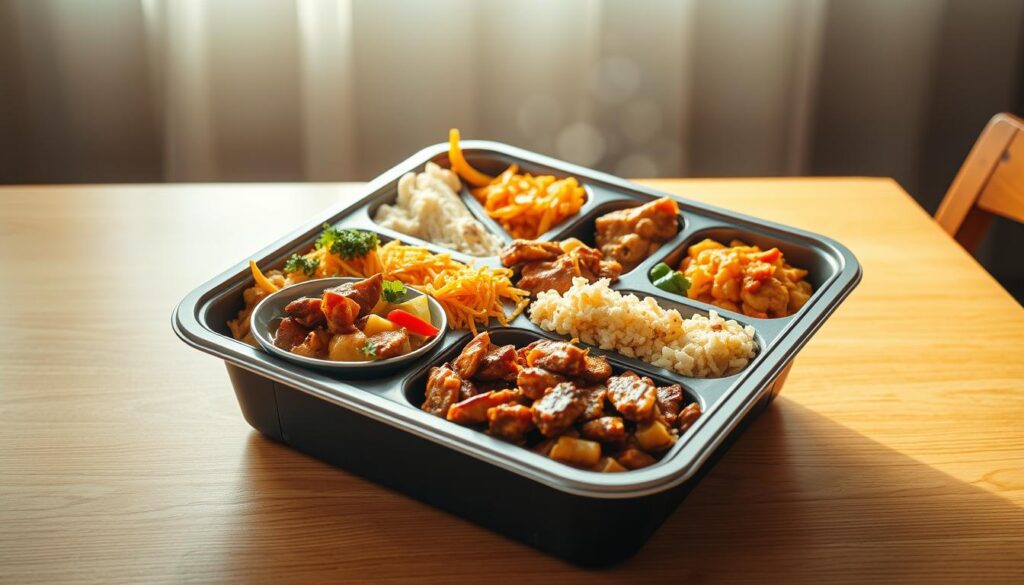
Healthier Choice-Certified Dishes
Twelve menu items carry the Healthier Choice stamp, including their sous-vide chicken breast—tender and packed with protein. Every dinner stays under 500 calories while avoiding palm oil completely.
The kitchen team uses pressure cooking methods to preserve nutrients. This approach keeps sodium levels 30% lower than industry standards without sacrificing flavor.
Flexible Meal Plans
Subscribers appreciate the 48-hour pause option, perfect for vacations or busy days. Unlike rigid contracts, their system adapts to your schedule while maintaining meal quality.
- Portion control: Pre-measured ingredients prevent overeating
- Quick restarts: Resume deliveries with one WhatsApp message
- Weekly rotations: New certified dishes added monthly
8. Select Catering
Select Catering combines tradition with modern sustainability for hassle-free meals. Their classic metal containers evoke nostalgia while reducing waste—a perfect match for today’s eco-aware diners.
Classic Metal Tingkat Boxes
The signature stainless steel tins keep food warm for hours, just like traditional tiffin carriers. Customers love the retro enamelware option, adding charm to everyday dining.
Damaged containers? No problem. Their free replacement policy ensures your meals always arrive in perfect condition. It’s one reason they’ve maintained a 4.8-star rating for durability.
Eco-Friendly Delivery
Each delivery saves 2kg of CO2 compared to disposable packaging. Their electric trikes complete the green cycle, making this service ideal for environmentally conscious households.
Thursday menus feature Nyonya specialties like ayam pongteh—a weekly highlight many subscribers anticipate. For just $0.80 more, upgrade to fragrant garlic fried rice that complements every dish.
| Service Area | Delivery Fee |
|---|---|
| North Region | $4 |
| East Region | $4 |
| West Region | $4 |
| Central Region | Free |
“Switching to reusable tins cut our kitchen waste by 60%—worth every cent of the $6 daily cost.”
9. Jessie Catering
For those who appreciate wholesome soups and balanced meals, Jessie Catering offers a unique dining experience. Their $8.56/day lunch service delivers nourishing meals to East-side residents, combining tradition with modern nutrition.
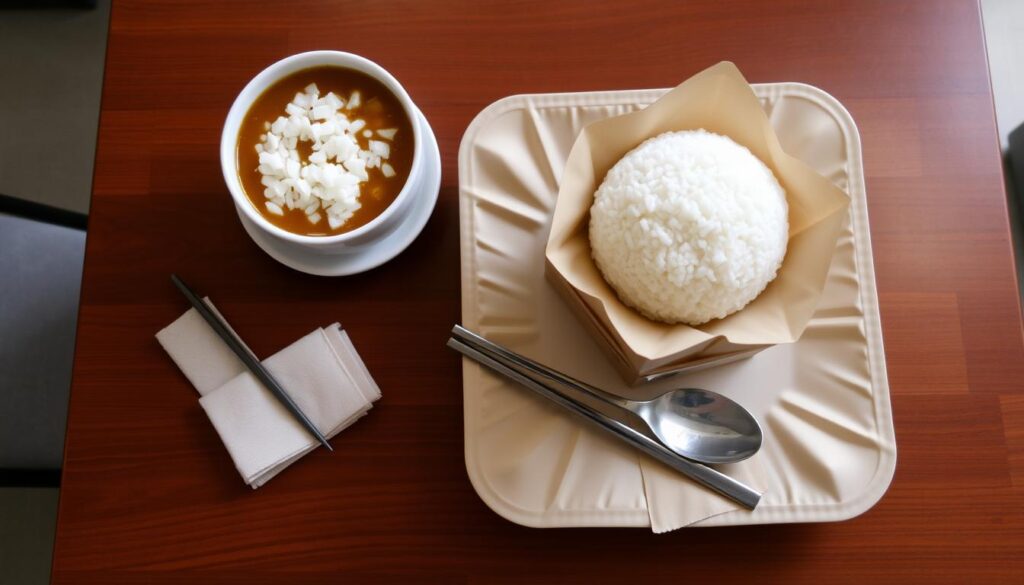
Soup and Brown Rice Options
Double-boiled collagen broths take center stage in their meals, packed with skin-friendly nutrients. Customers can choose a 50/50 mix of white and brown rice—perfect for those watching their carb intake.
Their Teochew-style steamed pomfret remains a crowd favorite, showcasing delicate preparation methods. Reviews praise how the fish stays moist during delivery, a testament to their packaging quality.
Variety in Dishes
The rotating menu ensures you won’t repeat dishes within a 10-day cycle. While portions run 20% smaller than competitors, the focus on quality ingredients compensates for the difference.
- Flexible scheduling: Pause deliveries for 7 days during holidays
- East-side focus: Currently serves only eastern residential areas
- Balanced combos: Each set includes soup, rice, and two protein options
| Plan Duration | Price Per Meal |
|---|---|
| 5-day trial | $9.10 |
| 10-day standard | $8.56 |
| 20-day commitment | $7.89 |
“The herbal chicken soup tastes like homemade—perfect for rainy afternoons when I’m too busy to cook.”
10. Ronnie Kitchen
Ronnie Kitchen makes meal planning stress-free with adaptable options for busy households. Their service shines with last-minute flexibility and wallet-friendly trial periods, perfect for first-time users.
Flexible Delivery Dates
Need to change your order? Edit selections until 9 PM the night before delivery. Their 20-day plan costs just $4.90 per meal and allows same-day cancellations—a rare perk in meal delivery.
Customers rave about the grandma-style curry chicken, slow-cooked for authentic flavor. Meals arrive in microwave-safe PP5 containers, ready to heat and eat.
Affordable Trial Packages
New subscribers can test the service with a 5-day trial package for $24.50. That’s under $5 per meal for quality home-style cooking.
- Delivery coverage: Available islandwide except Sentosa Cove
- Menu variety: Rotates every 10 days to prevent meal fatigue
- Special requests: Accommodates spice level adjustments
“The ability to pause deliveries saved me during my vacation—no wasted meals or complicated contracts.”
Comparing Tingkat Services by Price
Understanding meal delivery costs helps families make informed dining decisions. Providers offer options from $4.90 to $22.15 per pax, catering to different budgets and preferences.
Budget-Friendly Options
Seven providers keep costs under $8 per day. Ronnie Kitchen leads at $4.90, while Kim Paradise offers unbeatable value at $0.93 per dish.
Watch for add-ons like brown rice upgrades ($1.30). Most budget plans require 10-20 days commitment for the lowest rates.
Premium Services
Green Kitchen tops the price range at $22.15, featuring chef-crafted meals. Empress Porridge follows at $18 for specialty items like truffle porridge.
These services often include:
- Certified organic ingredients
- Special diet accommodations
- Flexible scheduling within 48 hours
| Price Tier | Average Cost | Key Providers |
|---|---|---|
| Budget | <$8/day | Ronnie, Kim, Best |
| Mid-range | $8-$15 | Select, Jessie, Neo |
| Premium | $15+ | Green, Empress |
“We saved $200 monthly switching from takeout to a $6.50/day plan—with better portion control too.”
How to Choose the Right Tingkat Service
Your ideal meal plan depends on lifestyle factors beyond food preferences. The right services should align with dietary requirements, location availability, and portion needs. Consider these key aspects before subscribing.
Assessing Your Dietary Needs
Nine providers offer specialized low-carb options for health-conscious diners. If you need healthy tingkat choices, verify Health Promotion Board certifications or Halal status—22% of services carry these designations.
Neo Garden operates nut-free kitchens, crucial for allergy sufferers. Always disclose dietary restrictions when ordering trial meals. Many companies gladly adjust spice levels or substitute ingredients upon request.
Considering Delivery Locations
Check postal code coverage before committing—68% exclude CBD addresses due to parking restrictions. Some providers focus on specific regions like Jessie Catering’s East-side service area.
For accurate timing, ask about last-mile logistics. High-rise buildings often face different delivery protocols than landed properties. Rural areas might incur additional fees.
- Trial wisely: Start with 3-day samplers to test food quality and portion sizes
- Teen portions: Order +1 pax if feeding growing appetites
- Schedule checks: Confirm cutoff times for menu changes
“Verifying my postal code saved me from last-minute meal scrambles—now my lunches arrive by noon consistently.”
Tips for Making the Most of Tingkat Meals
Small adjustments can transform convenient deliveries into restaurant-quality dining experiences. With 89% of users successfully reheating meals and 43% enhancing them with extras, these strategies help maximize value and flavor.
Meal Planning with Tingkat
Freeze Friday’s delivery for weekend use—most dishes keep well for 72 hours when stored properly. For vegetables, steaming revives texture better than microwaving, preserving that just-cooked crispness.
Leftovers become new meals with simple transformations. Day-old rice fries perfectly with eggs and leftover proteins. Many providers offer metal cutlery upon request, elevating your dining experience.
Adding Side Orders for Variety
Supplement your delivery with $6.50 curry fish head add-ons or fresh salads. These side options prevent menu fatigue while keeping costs lower than restaurant dining.
Consider these popular additions:
- Protein boosts: Extra chicken or fish fillets ($3-5)
- Local favorites: Otah or luncheon meat upgrades
- Healthy swaps: Quinoa or cauliflower rice alternatives
“Steaming my delivered veggies changed everything—they taste freshly cooked instead of soggy. Now I look forward to every meal.”
Conclusion
From budget-friendly to gourmet, meal plans cater to every preference. Ding Caters excels for spice-sensitive diners, while Green Kitchen delivers luxury. Ronnie Kitchen keeps costs low without compromising quality.
Mix two providers for variety—pair weekly splurges with affordable staples. Opt for metal tiffin carriers like Select Catering’s to reduce waste.
Future trends? AI-powered menus may soon personalize dishes further. Start with 5-day trials to find your perfect fit. Whether it’s health-focused or family-sized portions, these services make eating well effortless.
FAQ
What is tingkat delivery?
Tingkat delivery is a traditional meal service where freshly cooked dishes are delivered in stacked metal containers. It offers a convenient way to enjoy home-style meals without cooking.
How does tingkat delivery work?
You select a meal plan, choose your dishes, and set a delivery schedule. The food arrives in metal or eco-friendly containers, ready to eat. Most services offer flexible options for lunch or dinner.
Why should I choose tingkat over eating out?
Tingkat meals are healthier, cost-effective, and save time. You get balanced home-cooked dishes without the hassle of dining out or meal prep.
Are there healthier tingkat options?
Yes! Many caterers offer low-sodium, less oily, or whole-grain rice dishes. Some even provide Healthier Choice-certified meals with balanced nutrition.
Can I customize my tingkat meals?
Most providers allow dish swaps or special requests like non-spicy replacements. Some even offer trial packages to test different menus.
What’s the average price for tingkat meals?
Prices vary, but most family plans start around – per meal. Premium services with gourmet dishes may cost slightly more.
Do tingkat services cater to dietary restrictions?
Many caterers accommodate needs like halal, vegetarian, or diabetic-friendly meals. Always check with the provider before ordering.
How do I choose the right tingkat service?
Consider your budget, dietary preferences, and delivery area. Reading reviews and trying trial packages can help you decide.
Can I order tingkat for just a few days?
Absolutely! Many caterers offer short-term plans, like 3- or 5-day trials, perfect for busy weeks or testing the service.
Do tingkat services include soup and sides?
Most packages come with a main dish, sides, and soup. Some even let you add extras like desserts or larger portions.
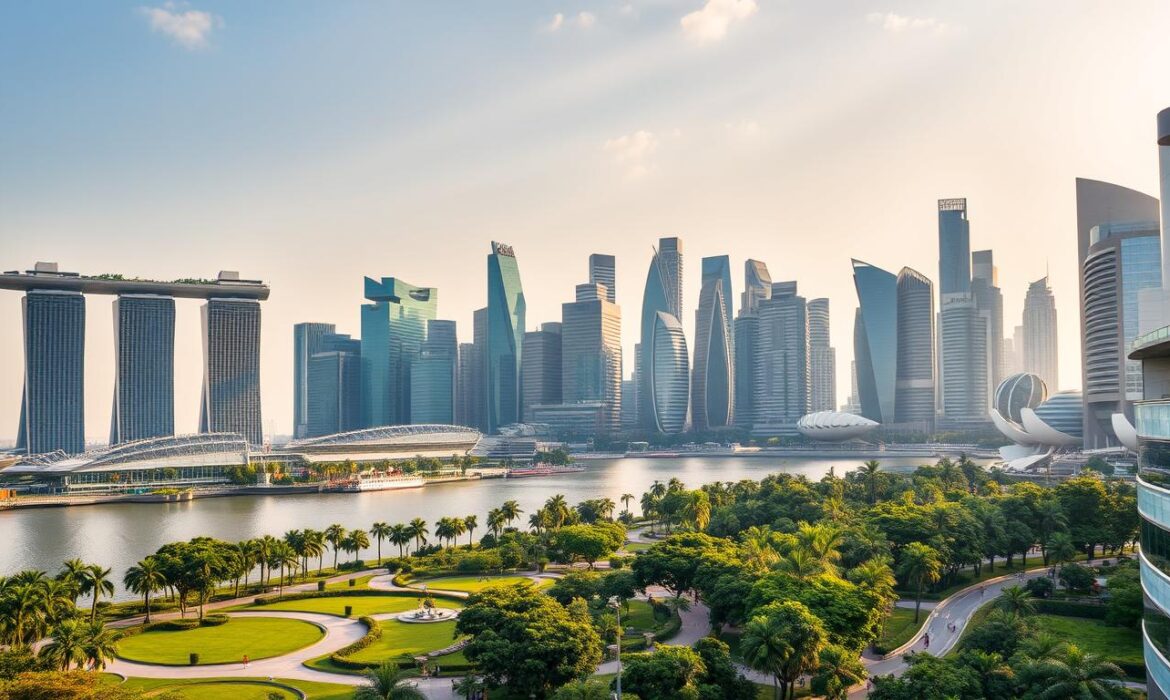
Best Time to Visit Singapore: Ultimate 2024 Guide
Singapore is a vibrant destination with something exciting happening all year. Whether you love sunny beaches, cultural festivals, or thrilling events, this city-state delivers. The key to an unforgettable trip lies in choosing the right time based on weather, crowds, and special occasions.
In 2024, major events like the Formula One Night Race and anniversary celebrations add extra flair. This guide helps you balance ideal conditions with unique experiences. From avoiding heavy rains to catching dazzling festivals, we’ve got you covered.
Key Takeaways
- Singapore offers year-round attractions for every traveler.
- Weather patterns and festivals impact the ideal travel period.
- 2024 features exclusive events like the F1 Night Race.
- Plan around peak seasons to avoid crowds.
- Monthly breakdowns simplify trip planning.
Introduction to Singapore’s Year-Round Appeal
From towering skyscrapers to serene gardens, the city thrives year-round. Its port heritage blends Chinese, Malay, and Indian influences, creating an immersive cultural experience. Whether exploring Marina Bay Sands or Sentosa island’s beaches, every corner tells a story.
This compact country boasts a tropical climate, with temperatures steady between 77–90°F. Rain or shine, visitors enjoy world-class museums, air-conditioned malls, and the iconic Gardens by the Bay.
Festivals light up the calendar every month. Lunar New Year parades, Deepavali lights, and Christmas markets ensure there’s always excitement. The mix of modern architecture and green spaces makes outdoor activities just as appealing as indoor escapes.
No matter when you arrive, Singapore delivers unforgettable moments. Its efficient transport and weather-resistant attractions guarantee smooth adventures all year.
Understanding Singapore’s Weather: When to Go
Singapore’s humidity and rain showers shape its unique travel rhythm. With 167 rainy days annually, the weather alternates between sunshine and sudden downpours. Planning around these patterns ensures comfort while exploring.
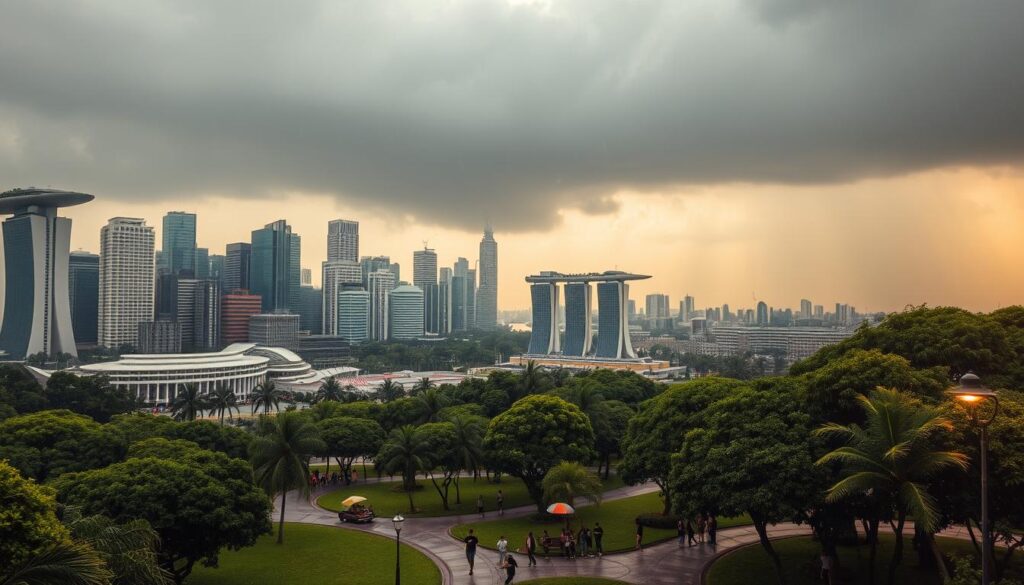
Singapore’s Tropical Climate Explained
The city sits near the equator, with steady heat (77–90°F) year-round. Two monsoon seasons dominate:
| Monsoon | Months | Characteristics |
|---|---|---|
| Northeast | Dec–Mar | Heavy rain, cooler temps (81°F) |
| Southwest | Jun–Sep | Shorter showers, higher humidity |
| Inter-Monsoon | Apr–May, Oct–Nov | Mixed conditions, occasional storms |
Dry Season vs. Wet Season: What to Expect
June and July are the hottest months, hitting 88°F. The dry season (Feb–Apr) offers sunnier skies, while December’s northeast monsoon brings prolonged rain.
Humidity averages 80%, peaking in summer. Lightweight, quick-dry fabrics help manage sweat and showers.
Tips for Handling Humidity and Rain
- Pack smart: Waterproof shoes, a compact umbrella, and a portable fan.
- Seek refuge: Air-conditioned malls, MRT stations, or museums during midday heat.
- Time outings: Mornings and evenings avoid peak weather extremes.
With flexibility, Singapore’s climate becomes part of the adventure—not a setback.
Best Time to Visit Singapore for Ideal Weather
Balancing sunshine and showers is key to enjoying Singapore’s outdoor wonders. February to April offers the most comfortable period, with temperatures between 79–88°F and fewer rainy days. Mornings are perfect for exploring Gardens by the Bay or Sentosa’s beaches before afternoon heat peaks.
November to January brings brief but frequent showers, while May and June hit the high 90s. Coastal areas like East Coast Park feel breezier, but urban zones trap heat. Check the UV index—it often reaches 10+ by midday.
| Month | Avg. Temp (°F) | Rainfall (inches) | Best For |
|---|---|---|---|
| Feb–Apr | 79–88 | 6.3 | Hiking, festivals |
| May–Jul | 86–90 | 6.7 | Indoor attractions |
| Nov–Jan | 77–84 | 9.8 | Museum visits |
Microclimates add variety. Chinatown’s narrow streets feel hotter than Marina Bay’s open spaces. For detailed forecasts, compare monthly trends to plan around your preferred activities.
Pack light layers and a foldable umbrella. With smart timing, you’ll savor Singapore’s vibrant streets without battling extreme weather.
Singapore’s Festivals and Events in 2024
Singapore’s calendar bursts with vibrant festivals and thrilling events throughout 2024. Each month offers unique celebrations, from lantern-lit streets to high-speed races at Marina Bay. Plan your trip around these highlights to dive into the city’s rich culture and electrifying energy.

Chinese New Year (February)
Chinatown transforms into a red-and-gold wonderland during Lunar New Year. Street closures allow for lively bazaars, where stores sell traditional treats and decorations. Don’t miss the Chingay Parade, a dazzling mix of floats and performers.
Holi and Thaipusam (March)
March celebrates diversity with Holi’s colorful powder fights and Thaipusam’s piercing processions. The latter winds from Serangoon Road to Tank Road, a powerful display of devotion. Check the official website for exact dates and routes.
Singapore Food Festival (June–July)
Foodies rejoice during this month-long celebration. Hawker masterclasses, Michelin pop-ups, and heritage tours spotlight local flavors. The gardens at Bay East often host gourmet picnics under the stars.
National Day (August)
August 9th marks Singapore’s independence with aerial shows and fireworks. Rehearsals in late July offer previews—grab a spot at the Padang or Marina Barrage for the best views.
Formula One Night Race (September)
The Marina Bay Street Circuit roars to life under neon lights. Book tickets early; they sell out fast. Afterparties at luxury hotels and Clarke Quay extend the adrenaline rush.
Deepavali and Christmas (November–December)
Little India glows for Deepavali, while Orchard Road dazzles with Christmas lights. The year ends with ZoukOut, a beachfront dance holiday perfect for night owls.
Peak Tourist Seasons: Crowds and Prices
Tourist crowds and hotel rates spike during specific months in this bustling city. June and July—summer school holiday—see hotel prices jump 30%, while Formula One weekends triple rates near Marina Bay. December’s festive buzz also draws packed flights and sold-out stores.
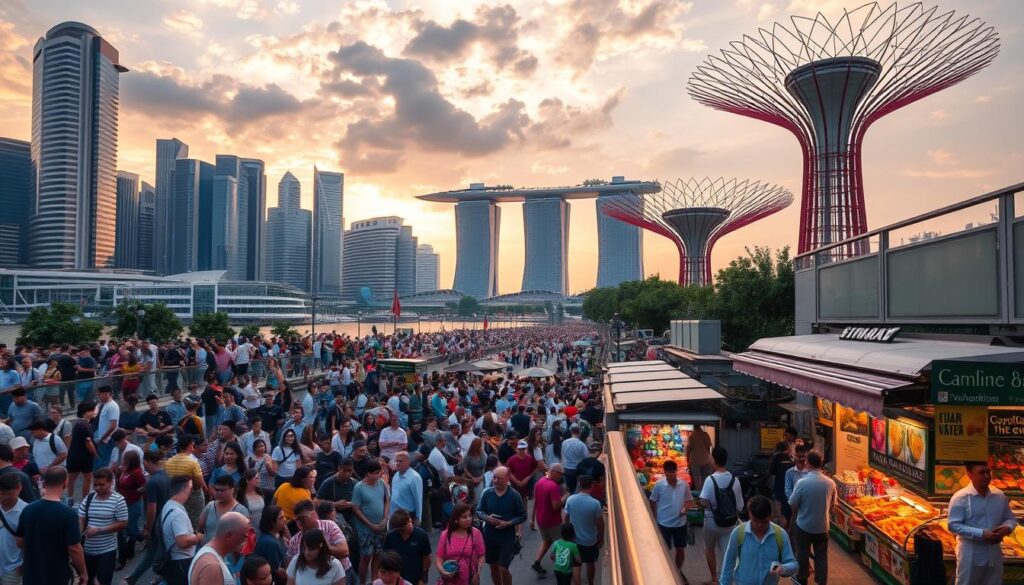
Popular attractions like Universal Studios and Gardens by the Bay face hour-long queues. Midday heat worsens waits, so arrive early or book skip-the-line passes. For major events, VIP packages offer reserved seating and express entry.
Flight prices fluctuate by carrier. Budget airlines like Scoot hike fares during peak days, while Singapore Airlines often holds steadier rates. Set fare alerts and book 3–4 months ahead for savings.
Last-minute strategies:
- Check boutique hotels in Kampong Glam or Joo Chiat for hidden deals.
- Use apps like Klook for discounted same-day attraction tickets.
- Visit hawker centers during lunch rushes (11:30 AM) to beat crowds.
“Event weekends transform the city—book early or embrace the lively chaos.”
Travelers who prefer quieter months can explore Section 7 for off-peak perks. But if you’re set on festivals or races, planning ensures you’ll enjoy the energy without overspending.
Off-Peak Travel: Benefits of Visiting During Quieter Months
April and October unlock exclusive perks for savvy travelers. These months offer 20% lower hotel rates and 15% fewer visitors, making it the perfect time to explore Singapore’s hidden gems. From spa retreats to cultural deep dives, the experience feels more personal.
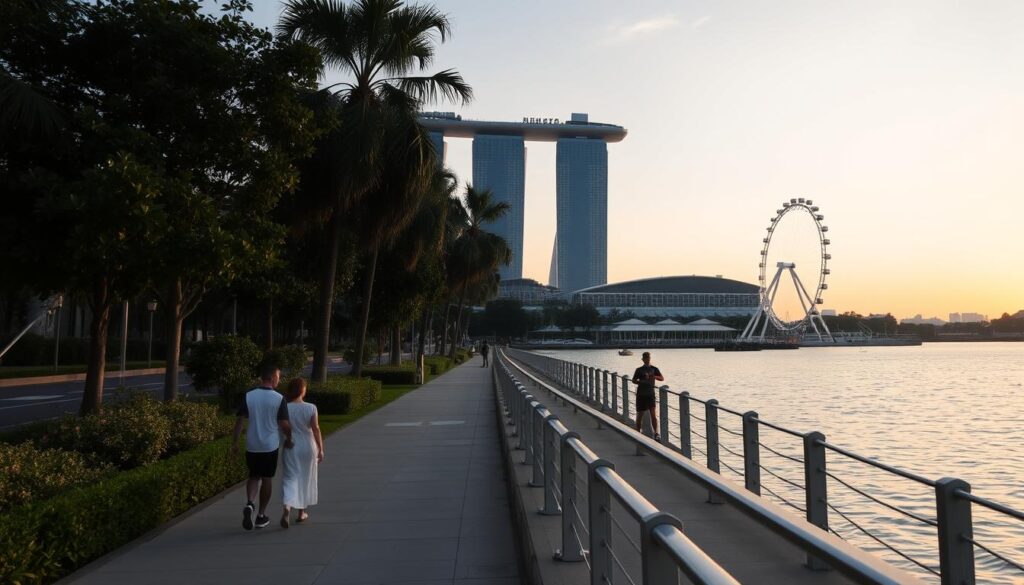
April to May brims with limited-time offers. Luxury resorts roll out spa packages, while rooftop bars host sunset happy hours. Local chefs showcase seasonal menus, turning meals into unforgettable activities.
October’s calm reveals another side of the island. Neighborhoods like Tiong Bahru and Katong offer guided heritage walks—rare during peak periods. Wildlife reserves like Sungei Buloh feel quieter, boosting birdwatching success.
Top off-peak advantages:
- Upgrade odds: Hotels often bump guests to suites during low occupancy.
- Error fares: Airlines drop prices mid-week in October.
- Photo ops: Iconic spots like Merlion Park have no crowds.
“Off-season travel lets you see Singapore through a local’s eyes—minus the rush.”
Pack light layers for sporadic showers. With fewer lines and more space, you’ll savor every moment.
Monthly Breakdown: What to Do in Singapore Each Month
Every month in Singapore brings fresh excitement and unique experiences. Whether you crave cultural festivals, sports thrills, or gourmet adventures, the city’s calendar never disappoints. Here’s how to make the most of each season.
January–March: Festive Beginnings
January kicks off with extended shopping deals from the Great Singapore Sale. February dazzles with Lunar New Year parades in Chinatown—red lanterns, lion dances, and prosperity treats fill the streets.
March celebrates diversity. Holi’s colorful powder fights and Thaipusam’s piercing processions showcase Singapore’s multicultural heart. Book early for riverfront hotel views.
April–June: Sports and Food Highlights
April’s World Gourmet Summit turns the city into a food lover’s paradise. Michelin chefs host pop-ups, while hawker centers spotlight heritage dishes.
May packs adrenaline with the Rugby Sevens tournament and Cocktail Festival. Sip creative drinks at rooftop bars or cheer at the National Stadium.
July–September: National Celebrations
August’s National Day holiday features aerial drills and fireworks. Insider tip: Catch free preview shows in late July at Marina Barrage.
September revs up with the Formula One Night Race. Neon-lit speed and afterparties at Clarke Quay make this a bucket-list experience.
October–December: Year-End Festivities
November lights up Little India for Deepavali. Golden lamps and flower garlands transform the streets. Don’t miss the bazaars for silk saris and spicy sweets.
December sparkles with Christmas on Orchard Road and NYE fireworks at Marina Bay. For the best views, stake out spots near the Merlion or Esplanade Roof Terrace.
“Singapore’s monthly rhythm means there’s always a reason to celebrate—plan around your passions.”
Practical Tips for Visiting Singapore in 2024
Visitors in 2024 can optimize their trip with these practical local insights. Whether facing sudden showers or navigating event crowds, preparation transforms challenges into seamless adventures.
Packing Essentials for Tropical Conditions
Singapore’s 80% humidity demands lightweight, quick-dry clothing. Pack a compact umbrella—downpours arrive unexpectedly. Moisture-wicking fabrics outperform cotton for all-day comfort.
Essential extras include:
- Portable fan for outdoor queues
- Waterproof phone case for boat rides
- SPF 50+ sunscreen (local brands like Skin Inc work best)
Navigating Public Holidays and Closures
Check the 2024 holiday calendar before booking. Major festivals like Deepavali see 70% of stores close. Attractions remain open but with limited capacity.
Key closure dates:
- Lunar New Year (Feb 10-11)
- Hari Raya Puasa (Apr 10)
- Christmas (Dec 25)
Smart Booking Strategies
Popular attractions like Gardens by the Bay require online reservations 3+ days ahead. Use official websites to avoid third-party markups. For Formula One, review prohibited items (e.g., large bags) when purchasing tickets.
Pro tips:
- SIM cards at Changi Airport offer best rates
- Weekday hotel check-ins save 15%
- Visitor centers provide real-time crowd maps
“Early planners enjoy Singapore’s highlights without the stress—book key elements first, then improvise.”
Save emergency contacts (999 for police) and download transport apps like Citymapper. With these tips, your experience will be as smooth as the city’s famous MRT system.
Conclusion: Planning Your Perfect Singapore Trip
Choosing when to explore this dynamic city depends on your priorities. Love sunny skies? February to April delivers. Prefer cultural buzz? Align with festivals like the Sultan Mosque’s 2024 anniversary.
Consider pairing your stay with nearby gems. Malaysia’s Langkawi or Indonesia’s Bintan island complement Singapore’s urban energy. Ferries and short flights make it easy.
Double-check visa rules and passport validity before booking. Pack a rain-ready guide—weather apps and emergency contacts ensure smooth adventures. With smart prep, every year offers unforgettable moments here.
FAQ
What’s the driest period to explore the city?
February to April sees the least rainfall, making it ideal for outdoor activities.
When are the biggest cultural celebrations?
Major events like Chinese New Year (February), Deepavali (November), and Christmas (December) light up the island.
How do I handle the heat and humidity?
Wear lightweight clothing, stay hydrated, and carry an umbrella for sudden showers.
Are there quieter months with fewer crowds?
July and September offer a balance of pleasant weather and fewer tourists.
What should I pack for my trip?
Bring breathable fabrics, sunscreen, and rain gear to stay comfortable in changing conditions.
When is the Formula 1 Night Race happening?
The thrilling Marina Bay Street Circuit event takes place in September.
Are stores closed during public holidays?
Some shops in Little India or Chinatown may close, but major malls usually stay open.
Is the Singapore Food Festival worth planning around?
Absolutely! Held in June-July, it’s a paradise for food lovers showcasing local flavors.

Best Thai Massage Singapore: Top Rated Places
In the heart of the city, traditional therapies offer a perfect blend of wellness and urban convenience. Whether you’re an office worker needing relief or a traveler seeking relaxation, these spots provide a refreshing escape. From quick 30-minute sessions to extended two-hour indulgences, there’s something for everyone.
Two main styles dominate the scene: traditional techniques and aromatherapy oil treatments. Each method helps rejuvenate the body while easing stress. Locations vary from cozy shophouses to upscale hotels, with some even operating late into the night.
Affordable and premium options are available across neighborhoods like Boat Quay and Chinatown. Whether you prefer a budget-friendly session or a luxurious spa experience, the choices are endless.
Key Takeaways
- Discover two main therapy styles for deep relaxation.
- Convenient locations cater to busy urban lifestyles.
- Sessions range from quick treatments to extended indulgences.
- Options available for different budgets and preferences.
- Late-night spots ensure flexibility for all schedules.
Why Choose the Best Thai Massage in Singapore?
Combining acupressure and stretching, this therapy revitalizes both body and mind. It’s more than just relaxation—it’s a holistic approach to wellness. Whether you’re battling stiffness or seeking mental calm, the techniques adapt to your needs.
The Benefits of Energy-Based Healing
Targeted pressure points release tension along 10 key energy pathways. Unlike oil-based treatments, this method uses clothing and floor mats for deeper manipulation. The result? Improved flexibility and detoxification through rhythmic compressions.
“Stimulating sen energy lines can alleviate back pain within minutes,” notes a certified practitioner.
How It Differs from Other Therapies
This stands out by merging yoga-like stretches with precise pressure. Here’s a quick comparison:
| Type | Technique | Tools | Focus |
|---|---|---|---|
| Traditional | Stretching + acupressure | None (clothed) | Energy lines |
| Swedish | Long strokes | Oil | Muscle relaxation |
| Shiatsu | Static pressure | None | Meridians |
Key perks include:
- Customizable intensity for problem areas.
- No slippery residues—just pure movement.
- Boosts circulation naturally.
Top 5 Best Thai Massage Places in Singapore
From quick lunch breaks to extended unwinding, these five spots redefine urban wellness. Each venue combines skilled techniques with unique atmospheres, catering to busy professionals and leisure seekers alike.
Sabaai Sabaai: Convenience Meets Tradition

Nestled in Boat Quay, Sabaai Sabaai offers a riverfront escape with Thai-style decor and privacy curtains. Ideal for office workers, its 30-minute sessions start at $48, while the popular 120-min traditional or oil massage options ($128–$133) ensure deep relief.
Healing Thai: Late-Night Rejuvenation
Open past midnight, this spot specializes in deep tissue techniques for night owls. Their signature foot and shoulder focus combats tension from long workdays.
Hatyai Thai: Decades of Mastery
With 20+ years of experience, Hatyai Thai’s therapists target pressure points with precision. Their traditional methods include rhythmic stretches for full-body realignment.
Ayuthaya The Royal Thai Spa: Luxury Redefined
Think gold-leaf decor and herbal compresses. Premium oil massage blends with aromatherapy here, perfect for splurge-worthy pampering.
Sooful Spa: Chinatown’s Hidden Gem
Tucked away in Chinatown, Sooful balances affordability with serenity. Try their combo of foot massage and herbal teas for a holistic reset.
| Venue | Specialty | Duration Options | Price Range |
|---|---|---|---|
| Sabaai Sabaai | Traditional/Oil | 30–120 mins | $48–$133 |
| Healing Thai | Late-night sessions | 60–90 mins | $55–$110 |
| Hatyai Thai | Energy-line focus | 45–120 mins | $50–$125 |
What to Expect During Your Thai Massage Session
Understanding the different approaches helps you choose the right treatment for your needs. Whether you’re drawn to dynamic stretches or soothing oils, each method targets wellness uniquely.

Traditional Thai vs. Thai Aromatherapy Oil Massage
The two main types vary in technique and tools. Traditional thai sessions use floor mats and clothing, focusing on energy lines through yoga-like poses. In contrast, aroma oil blends Swedish strokes with fragrant essences for muscle relief.
| Feature | Traditional Thai | Aromatherapy Oil |
|---|---|---|
| Technique | Stretching + acupressure | Long, oil-glided strokes |
| Attire | Loose clothing | Disrobed (towels provided) |
| Focus | Energy pathways | Muscle relaxation |
| Duration | 60–90 minutes | 45–120 minutes |
Tips for First-Time Visitors
Newcomers should communicate pressure preferences early. Therapists adjust intensity for problem areas, ensuring comfort. For a full body experience, opt for 90-minute sessions—shorter bookings may feel rushed.
“First-timers often underestimate the active nature of traditional sessions. It’s a collaborative effort between therapist and client,” shares a Boat Quay practitioner.
Arrive hydrated and avoid heavy meals beforehand. Loose clothing suits traditional treatment, while aromatherapy requires no special prep. Both styles promise renewal—just choose your pace.
Conclusion
Balancing wellness with urban convenience, these therapies offer more than just relaxation. From budget-friendly spots to premium spas, options cater to every need. Sessions start under $45, with extended treatments up to $300 for luxury seekers.
Therapeutic perks go beyond stress relief—think muscle pain reduction and ways to improve blood circulation. Whether you prefer traditional stretches or aromatic oils, each method helps revitalize your body.
With late-night hours and CBD locations, fitting a session into your schedule is easy. Explore top-rated spas and book ahead for popular venues. It’s self-care designed for city life.
FAQ
What makes traditional Thai therapy different from other treatments?
Unlike standard techniques, this method uses pressure points and stretching to improve flexibility and circulation. It’s a no-oil practice that works deeply into muscles.
How long does a typical session last?
Most centers offer 60, 90, or 120-minute options. First-timers often prefer 90 minutes for a balanced experience.
Is it suitable for office workers with back pain?
Absolutely. The focus on spinal alignment and tension relief makes it ideal for desk-job strains. Therapists adjust pressure based on comfort levels.
Can I request aromatherapy oils during my visit?
Many spas provide aroma oil upgrades. Just ask when booking—popular choices include lavender or lemongrass for added relaxation.
Are walk-ins accepted, or should I book ahead?
While some spots near Boat Quay or Bridge Road take walk-ins, weekends get busy. Reservations ensure your preferred time slot.
What should I wear for a full-body treatment?
Loose, comfortable clothing is best since stretches are involved. Some places provide loose garments if needed.

Best Power Bank Singapore: Expert Reviews and Top Picks
In today’s fast-paced world, staying connected is essential. Whether you’re in a meeting, traveling, or out with friends, a dead battery can ruin your plans. That’s where a trusty portable charger comes in handy.
Modern life demands constant connectivity. From work emails to social updates, our devices keep us plugged in. But what happens when your phone or tablet runs out of juice? A high-quality charger ensures you never face that frustration.
Choosing the right one isn’t just about capacity. Factors like charging speed, compatibility, and safety features matter too. Some models even offer extras like magnetic charging or built-in stands for convenience.
Whether you need a compact option for daily use or a high-capacity model for travel, there’s a perfect fit for everyone. Let’s explore the top picks that keep your gadgets running smoothly.
Key Takeaways
- Portable chargers ensure uninterrupted connectivity for work and leisure.
- Charging speed and device compatibility are crucial factors when choosing.
- Compact designs balance portability with sufficient battery life.
- Safety certifications and airline regulations (100Wh limit) are important for travelers.
- Top brands offer reliable options with innovative features like magnetic charging.
Why You Need a Reliable Power Bank in Singapore
Singaporeans rely on mobile devices more than ever, making backup power crucial. Over 88% of residents use smartphones daily for everything from work to payments. When your battery dies mid-commute, even a 10-minute delay can throw off your schedule.
Travelers face unique challenges. Airlines allow power banks up to 100Wh—about 27,000mAh—but airport charging stations are often crowded. One traveler missed a flight after their phone died during boarding. A compact charger could’ve saved the day.
Households juggle multiple devices. Laptops, tablets, and phones often need charging simultaneously. A high-capacity model keeps all gadgets running without hunting for outlets.
Urban vs. Outdoor Use Cases
| Scenario | Needs | Recommended Capacity |
|---|---|---|
| Office commutes | Fast charging, compact size | 5,000–10,000mAh |
| Hiking trips | Durability, weather resistance | 20,000mAh+ |
Singapore’s humidity accelerates battery wear. Tech expert Raj Patel notes:
“Lithium-ion cells lose 20% faster in tropical climates. Opt for 30% extra capacity if replacing devices every 2+ years.”
Post-COVID remote work increased video call demands. A dead battery during a Zoom meeting? Not ideal. Portable chargers now rank as essential as wallets for Singapore’s on-the-go lifestyle.
Top 5 Power Banks in Singapore: Expert Picks
Ever missed an important call because your phone died? The right charger solves that. We tested dozens of models to find the most reliable options for every need. Here are the top five.

1. UGREEN Magnetic Portable Charger
This 10,000mAh magnetic power bank sticks to iPhone 12–15 models effortlessly. It weighs just 222g and charges at 20W speeds. Dual wireless charging lets you power up a phone and earbuds simultaneously.
Color options include Mint Green and Space Gray. At $42.99, it’s a sleek pick for Apple users.
2. Baseus 140W Laptop Charger
Need to juice up a MacBook? This 24,000mAh laptop power bank delivers 140W output. It’s heavier (472.5g) but charges a 16-inch MacBook Pro to 50% in 30 minutes.
Priced at $109.90, it’s ideal for travelers with multiple devices.
3. Anker 737 Portable Charger
With 24,000mAh capacity and three ports, the Anker 737 handles phones, tablets, and laptops. Its 140W fast charging refills a drained iPhone in under an hour.
The $191.80 price reflects its premium build and GaN tech.
4. Romoss PEA60 High-Capacity Model
This 60,000mAh beast weighs 1.6kg but can charge a phone 12+ times. Four ports let you share power with friends. Perfect for camping trips.
At $49.99, it’s a budget-friendly pick for group travel.
5. Xiaomi Ultra-Compact Charger
The Xiaomi power bank packs 20,000mAh into a 400g frame. It supports 18W fast charging and fits easily in a backpack. A steal at $24.90.
Ideal for daily commutes or weekend getaways.
Key Features to Look for in the Best Power Bank Singapore
Not all portable chargers are created equal—key differences impact performance. Whether you need a quick top-up or all-day juice, understanding these features ensures you pick the right one.
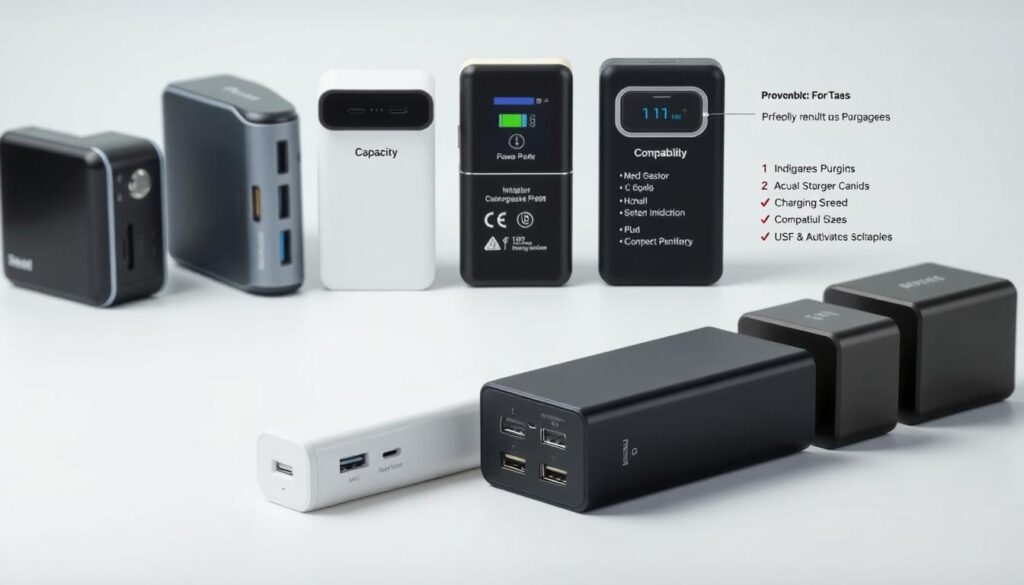
Battery Capacity and Charging Speed
Capacity (measured in mAh) determines how many charges your device gets. A 5,000mAh model refills a phone once, while 20,000mAh handles 4–5 charges.
For speed, check protocols like PD 3.0 or QC 4.0. PD 3.0 delivers 18W+ for iPhones, while QC 4.0 boosts Android devices by 30% faster.
| Capacity | Phone Charges | Ideal For |
|---|---|---|
| 5,000mAh | 1–2 | Daily commutes |
| 20,000mAh | 4–5 | Travel or multiple devices |
Portability and Design
A 10,000mAh charger fits in your pocket, but 20,000mAh+ models add weight. Look for slim designs with grippy textures—no one likes a slippery battery.
Bonus: Some include built-in cables or LED charge indicators. These save space and guesswork.
Safety and Compatibility
Certifications like UL or CE prevent overheating. For travel, calculate Watt-hours (Wh = mAh ÷ 1,000 × voltage) to stay under airline limits.
USB-C ports outlast Micro-USB and work with modern devices. Always check if your phone supports the charger’s output.
“A 20W PD charger refills an iPhone 13 to 50% in 30 minutes—half the time of standard 10W models.”
Where to Buy the Best Power Banks in Singapore
Online platforms and physical stores offer different perks for shoppers. Whether you prioritize speed, discounts, or hands-on testing, there’s an ideal option for you.

Lazada stands out with exclusive color variants and first-time user discounts. The Xiaomi 20,000mAh model often drops to $24.90 during promotions.
Prefer flash sales? Shopee’s calendar features hourly deals, and local sellers ship faster. A Mophie charger priced at $79 here might include free cables.
For international models, Amazon SG delivers with Prime shipping. Their warranty policies often cover global repairs—a plus for frequent travelers.
Physical stores like Challenger let you test chargers before buying. Authorized dealers (e.g., Xiaomi at Funan) provide in-person support and instant replacements.
Avoiding Counterfeits
Fake products flood the market. Always check for hologram stickers and verify serial numbers on the brand’s website. A $15 “Anker” charger is likely a scam.
“During 11.11 sales, Shopee’s price tracker showed a 40% drop on Romoss chargers—proof that patience pays off.”
Use tools like Honey or Shopee Price Monitor to track historical pricing. Bundle deals (charger + case) peak during Black Friday and Lunar New Year.
- Lazada: Best for exclusives and new-user perks.
- Shopee: Ideal for flash sales and local inventory.
- Amazon SG: Top choice for international warranties.
- Challenger: Perfect for hands-on testing.
Conclusion
Keeping your gadgets charged shouldn’t be stressful—find the right portable charger today. For Apple users, the UGREEN magnetic charger delivers seamless wireless charging, while digital nomads will love the Baseus 140W for laptops.
Future trends like solar integration and smart diagnostics are rising. Store your charger at
Recycle old units at StarHub e-waste bins. Pro tip: Pack a USB-C-to-Lightning adapter for universal compatibility.
Got a favorite charger story? Share it with us! For more tech insights, follow Glitz on Instagram. Most retailers offer 30-day returns—shop confidently.
FAQ
What should I consider when choosing a portable charger?
Look for battery capacity, charging speed, and portability. Check if it supports fast or wireless charging for convenience.
Can I bring a portable charger on a flight?
Most airlines allow power banks under 100Wh in carry-on luggage. Always check your airline’s rules before traveling.
How do I know if a device is compatible with my charger?
Check the output ports and voltage. Most modern gadgets work with USB-C or Lightning cables, but verify before purchasing.
What’s the difference between wired and wireless charging?
Wired options provide faster speeds, while wireless eliminates cables for convenience. Some models offer both.
How long does it take to fully recharge a portable battery?
It depends on capacity and input speed. A 20,000mAh unit may take 4–6 hours with fast-charging support.
Are magnetic chargers worth the investment?
If you use MagSafe-compatible devices, magnetic power banks offer secure attachment and hassle-free charging.
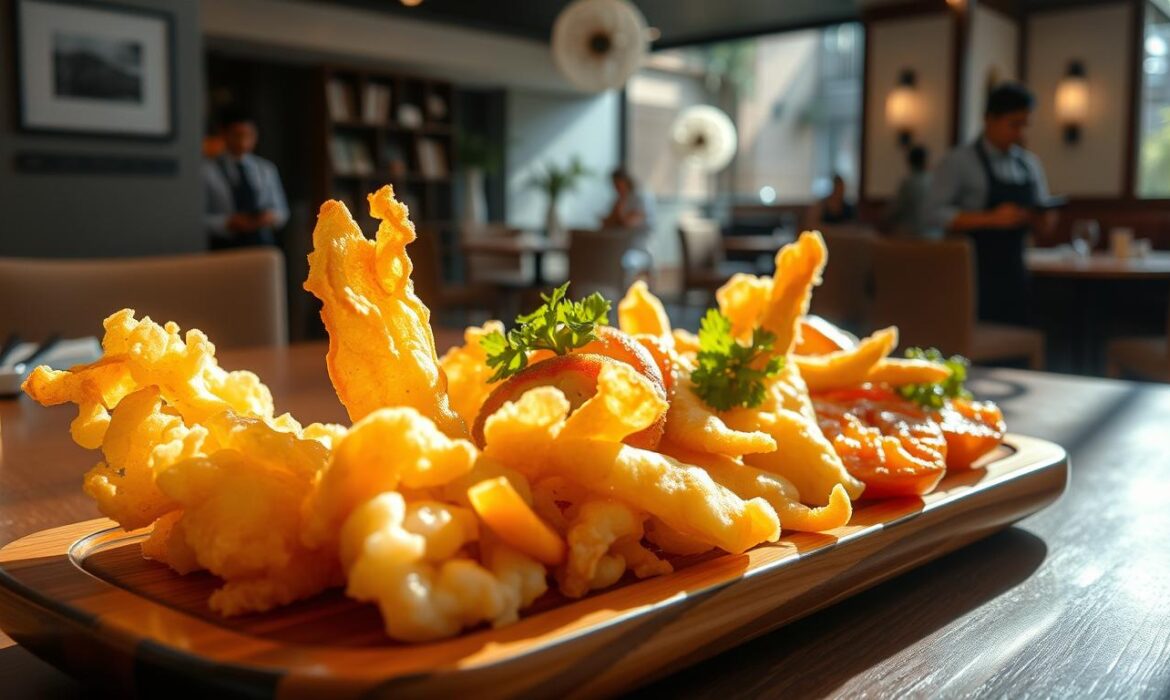
Best Tempura Singapore: Top Restaurants to Try Now
Singapore’s dining scene has embraced the art of tempura, offering both luxury experiences and casual delights. From high-end omakase menus to quick lunch options, crispy perfection is now within reach.
Leading the trend are Tenshima and Tentsuru, where chefs bring kaiseki-inspired techniques to the table. Seasonal ingredients and premium oil ensure each bite is light yet flavorful.
For those seeking variety, casual spots like Tempura Tendon Tenya provide wallet-friendly alternatives. Whether it’s lunch or dinner, the city’s tempura offerings cater to every craving.
Key Takeaways
- Singapore’s tempura scene blends luxury and affordability.
- Chefs use kaiseki methods for artisanal craftsmanship.
- Omakase menus highlight seasonal ingredients.
- Casual spots offer quick, delicious alternatives.
- Prices range from $120++ to $400++ per person.
1. Tenshima: Authentic Tempura Crafted with Perfection
Precision meets tradition in every piece of tempura at this intimate 10-seat counter. Chef Shima, with 16 years of kaiseki expertise, transforms humble ingredients into golden masterpieces. Each bite reflects his meticulous approach, from selecting seasonal produce to perfecting the fry.
Seasonal Ingredients and Artisanal Techniques
Sweet potatoes steam for 6–7 hours before dry-aging for two days, deepening their natural sweetness. Sunflower oil and a delicate batter—low-gluten flour with egg yolk—ensure a crisp, airy texture. Oil temperature adjusts daily to match the ingredients’ moisture levels, a trick from Chef Shima’s kaiseki playbook.
Tenshima’s website details their seasonal sourcing, highlighting regional Japanese specialties like Hokkaido scallops and Kyushu lotus root. The result? A menu where every item shines with its true flavour.
Signature Dishes: Shark’s Fin and Abalone Tempura
Two stars steal the show: shark’s fin marinated in ginger-sake and abalone simmered in dashi. The shark’s fin tempura, a rare find, balances oceanic richness with a whisper of spice. Abalone arrives tender yet crisp, its umami amplified by the light batter.
Exclusive Omakase Dining Experience
Lunch ($180++) offers seven tempura pieces, including one premium item, while dinner ($400++) adds luxe extras like sea urchin. Guests rave about the finale: milk ice cream paired with aged sweet potato tempura. With only 10 seats per service, each visit feels like a private masterclass.
“Tempura isn’t just frying—it’s about respecting the ingredients’ journey from land to oil.”
Reservations are essential for this personalized experience, where even the oil’s freshness gets the chef’s undivided attention.
2. Tentsuru: Luxe Tempura with Kaiseki Flair
At Tentsuru, Chef Daiki Kawaguchi elevates tempura to an art form with kaiseki precision. Nestled in The St. Regis Singapore, this 15-seat counter blends Osaka’s culinary heritage with modern flair. Each dish reflects his 18 years mastering kaiseki techniques, from batter consistency to oil temperature control.
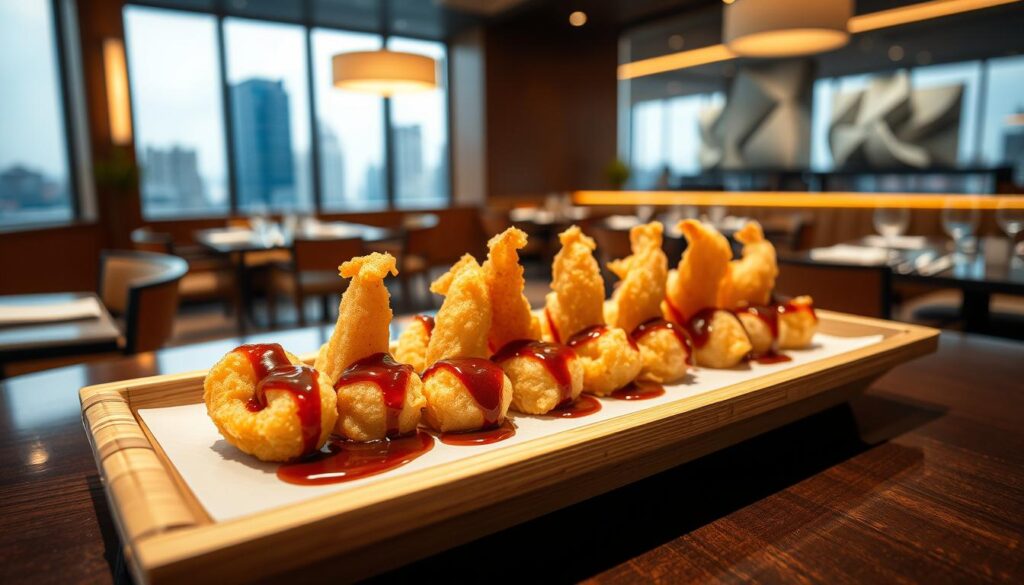
Chef Daiki Kawaguchi’s Seasonal Omakase Menu
The autumn menu stars rare ingredients like matsutake mushrooms and nodoguro fish. Hokkaido sunflower oil and potato starch batter ensure a delicate crunch. Fatty seafood selections, such as anago eel, are timed to perfection—crisp outside, meltingly tender within.
Chef Kawaguchi’s tenure at Tenshima honed his approach to seasonal sourcing. Diners rave about the butter-shoyu glaze on lobster tempura, a nod to his Osaka roots.
Uni Tempura and Lobster Tempura Highlights
Two showstoppers redefine indulgence: uni wrapped in Kyoto-made paper and lobster crowned with karasumi roe. The uni tempura bursts with oceanic sweetness, while the lobster’s rich umami lingers with every bite.
Pair these with the $108++ liquor selection, featuring Henri Giraud Champagne. The sake pairings—like a crisp Dassai 39—enhance the dish’s flavour layers.
Elegant Ambiance at The St. Regis Singapore
Mikageishi granite counters and washi paper motifs set a serene stage. Private dining rooms cater to guests seeking exclusivity, while the main counter offers front-row seats to the chef’s artistry.
Pricing tiers range from $120++ for lunch to $380++ for dinner. Whether it’s a multi-course feast or a quick midday meal, Tentsuru delivers unmatched craftsmanship in every bite.
3. Where to Find the Best Tempura in Singapore
From upscale counters to quick-service spots, crispy golden bites are easy to find across the city. Whether you’re after a lavish omakase or a wallet-friendly bowl, options abound to satisfy every craving.
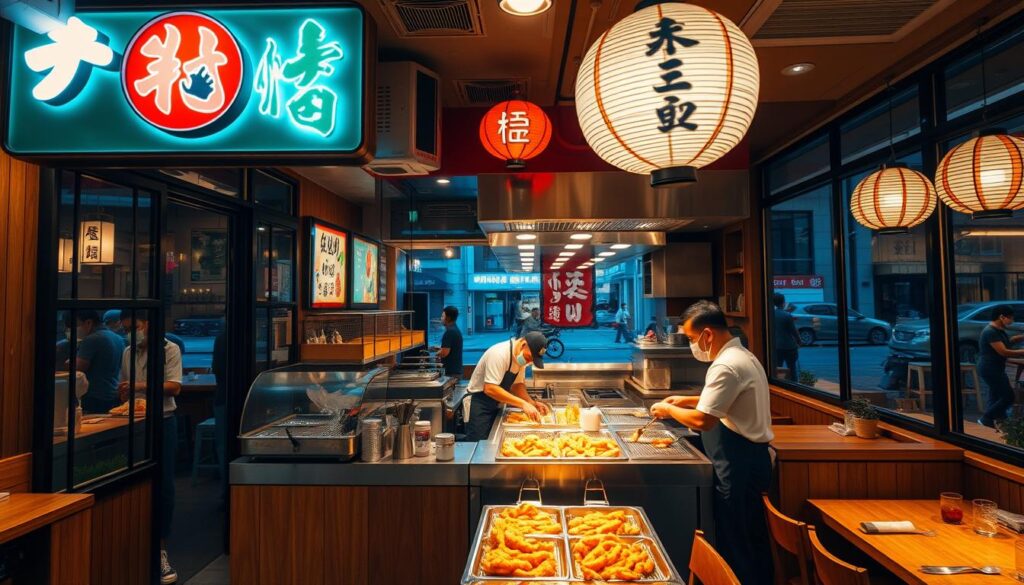
High-End Options: Tenshin and Ippoh Tempura Bar
Tenshin at Conrad Orchard offers a minimalist counter experience. Chef Hiroshi’s omakase menu features rare ingredients like Hokkaido scallops, fried in sesame oil for depth. Each piece is timed to highlight its natural *flavour*.
At Ippoh Tempura Bar in Dempsey, recipes date back to 1850. Their batter uses sparkling water for extra lightness. Try the signature prawn tempura, paired with house-made tentsuyu sauce.
Casual Favorites: Tempura Tendon Tenya and Ginza Tendon Itsuki
For a quick meal, Tempura Tendon Tenya in Ngee Ann City delivers consistency. Automated fryers ensure every prawn and egg tempura is crisp. Bowls start at $15, topped with a sweet-salty sauce.
Ginza Tendon Itsuki focuses on simplicity. Their prawn tempura over jasmine rice is a crowd-pleaser. The shoyu-based dip adds a smoky contrast to the delicate batter.
Unique Flavors and Dining Styles Compared
High-end spots like Tenshin emphasize seasonal ingredients and artisanal techniques. Casual eateries prioritize speed and affordability without sacrificing quality.
Sauces vary too. Omakase counters serve light tentsuyu, while tendon spots offer richer shoyu blends. No matter your preference, the city’s tempura scene has something to delight.
4. Conclusion: Savor the Crispiest Tempura in Singapore
Golden, crispy bites await in every corner of the city. Whether you choose Tenshima’s intimate omakase or Tentsuru’s kaiseki flair, each restaurant offers a unique experience.
Singapore blends luxury and accessibility like no other. Seasonal stars like autumn uni or abalone tempura showcase the flavour of fresh ingredients. This cuisine isn’t just food—it’s a cultural craft.
Ready to indulge? Book your table today and taste the crunch!
FAQ
What makes Tenshima stand out for tempura?
Tenshima focuses on seasonal ingredients and artisanal techniques, ensuring a fresh and high-quality experience. Their signature dishes, like shark’s fin and abalone tempura, elevate the dining experience.
Does Tentsuru offer an omakase menu?
Yes, Chef Daiki Kawaguchi crafts a seasonal omakase menu featuring highlights like uni and lobster tempura. The elegant setting at The St. Regis Singapore adds to the luxurious experience.
Where can I find affordable yet delicious tempura?
Casual spots like Tempura Tendon Tenya and Ginza Tendon Itsuki serve crispy, flavorful meals without the high-end price tag. These eateries are great for quick lunches or dinners.
What’s unique about Ippoh Tempura Bar?
Ippoh Tempura Bar offers a refined take on the dish, with a focus on delicate frying techniques and premium seafood. Their counter seating allows guests to watch chefs prepare each piece.
Are there dessert options at tempura restaurants?
Some places, like Tenshin, include light sweets such as matcha ice cream or mochi to round off the meal. It’s a perfect way to end a flavorful dining experience.

The Best Muffin in Singapore: Top Rated Options
Singapore’s bakery culture offers a delightful mix of tradition and creativity. From classic blueberry to unique mochi-textured treats, there’s something for every taste. This guide highlights top-rated options across the city, blending heritage recipes with modern twists.
With prices starting at just $1.40, enjoying these baked goods is both easy and affordable. Premium creations at $5+ cater to those seeking gourmet experiences. Whether you crave halal-certified or seasonal flavors, the choices are endless.
The muffin’s history traces back to 10th-century Wales, but Singaporean bakers have made it their own. Local adaptations include tropical fruit infusions and rich custard fillings. Discover 12+ standout bakeries in this curated list.
Key Takeaways
- Singapore blends traditional and inventive muffin varieties
- Options range from budget-friendly to premium gourmet
- Includes specialty categories like halal and seasonal flavors
- Historical roots meet modern local adaptations
- Features 12+ highly-rated bakeries across neighborhoods
Introduction: Why Muffins Deserve the Spotlight
What began as simple Welsh bread in the 10th century now thrives as a versatile favorite in Singapore’s vibrant food scene. Originally called “bara pyglyd” (meaning “soft bread”), these early versions were cooked on griddles. By the 19th century, American bakeries added sweetness and portability, shaping today’s beloved snack.
In Singapore, muffins gained popularity in the 2000s as cafes embraced global trends. Their appeal lies in flexibility—equally at home as a quick breakfast, afternoon pick-me-up, or dessert option. Local twists like kaya coconut or matcha-filled centers reflect the city’s culinary creativity.
Texture variations cater to every preference. Fluffy classics contrast with chewy mochi hybrids, a nod to Asian influences. Whether from a neighborhood bakery or specialty shop, each bite tells a story of adaptation and innovation.
Fun fact: The term “muffin” likely derives from the Old French “moufflet,” meaning soft bread—a fitting tribute to its comforting essence.
AJ Delights: Alexandra Village’s Hidden Gem
Early risers at Alexandra Village Food Centre often spot the line forming outside AJ Delights before sunrise. This halal-certified bakery starts baking at 4AM, filling the air with the scent of European butter and melting dark chocolate. Their $2.75+ creations draw both neighborhood regulars and cross-town food explorers.
Must-Try: Dark Chocolate and Blueberry Streusel
The star offering combines rich dark chocolate chunks with tart blueberries under a crispy streusel crown. Bakers use French Valrhona cocoa and seasonal fruits for consistent quality. For matcha lovers, the Green Tea Monster packs chocolate chips into vibrant Japanese tea batter.
Halal-Certified and Freshly Baked Daily
As one of few halal-certified bakeries in the area, AJ Delights caters to diverse dietary needs. Their Fusionopolis Connexis outlet serves CBD workers with convenient afternoon batches. During Ramadan, special packages with dates and spiced varieties become available.
| Location | Operating Hours | Specialty |
|---|---|---|
| Alexandra Village | 6AM-3PM | Fresh morning batches |
| Fusionopolis Connexis | 10AM-6PM | Office lunch specials |
Pro tip: Bulk orders require 48-hour notice, perfect for corporate events or family gatherings. The bakery’s Instagram updates daily flavor rotations and seasonal promotions.
Butter & Cream Bakery: Fluffy Indulgence Across the Island
At Butter & Cream Bakery, the aroma of freshly baked goods welcomes visitors from its eight islandwide locations. From AMK Hub to Lau Pa Sat, each outlet serves pillowy creations that blend classic techniques with playful twists. Their signature Volcano Cheese Muffin has become a must-try for savory seekers.
Volcano Cheese Muffin: A Savory Surprise
Break into this masterpiece to find a molten core of cheddar, cream cheese, and gouda—three dairy sources that create a lava-like flow. The texture mirrors Japanese soufflé cheesecakes, airy yet rich, with a golden crust for contrast. A pinch of egg in the batter ensures the perfect rise.
Affordable Luxury at $2.60 Per Muffin
Despite its gourmet quality, Butter & Cream keeps prices accessible. Their “doffin” hybrid—a cross between doughnut and muffin—adds chewiness to the classic fluffy base. Heartland outlets often sell out by noon, while CBD spots like Lau Pa Sat cater to office crowds.
Pro tip: The buy-5-get-1-free deal makes sharing economical. Vegan versions, available upon request, use coconut cream for a dairy-free alternative.
Doughter Bakery: Mochi Muffins for Texture Lovers
Doughter Bakery redefines texture with its signature mochi-infused treats. Their creations blend Japanese glutinous rice flour with traditional baking techniques, resulting in a satisfying chewiness. Locally sourced coconut flakes add crunch, toasted to golden perfection for extra aroma.

Kaya & Coconut: A Local Twist
The bakery’s kaya jam infusion process is a labor of love. Fresh pandan leaves and coconut milk simmer for hours before folding into the batter. Each bite delivers a nostalgic kaya toast flavor, elevated by the mochi’s stretchy texture.
Matcha & White Chocolate: Earthy and Sweet
For matcha enthusiasts, the white chocolate-studded version balances earthy notes with creamy sweetness. Premium Uji matcha powder ensures vibrant color and depth. Limited-edition CNY pineapple taro flavors rotate seasonally, inspired by traditional nian gao.
- Mochi flour: Imported from Shiga Prefecture, Japan, for authentic chew
- Gluten-free: Rice-based recipes cater to dietary restrictions
- Box deals: $20 for six, featuring real banana puree in select varieties
Pair the white chocolate muffin with a hojicha latte for contrast. The bakery’s Instagram announces weekly test flavors, from black sesame to salted egg yolk.
Uggli Muffins: Imperfectly Delicious
At Uggli Muffins, perfection takes a backseat to bold flavors and rustic charm. Their 127 Lorong 1 Toa Payoh spot draws crowds with intentionally uneven crusts and surprise monthly flavors. By 4PM daily, cases empty—proof that beauty isn’t a requirement for deliciousness.
Charred Crusts and Rotating Flavors
Cast-iron skillets bake each batch, creating crispy edges and soft centers. The process locks in moisture while adding smoky depth. Regulars rave about the monthly mystery flavor contests, where customers vote on wildcard options like chili-caramel or lemongrass-pandan.
California walnuts arrive weekly, roasted in-house for crunch. Their uneven chopping reinforces the bakery’s “ugly” aesthetic—a rebellion against Instagram-perfect pastries. Fun fact: The branding began when a batch of overbrowned tops sold out faster than pristine ones.
Banana Walnut: A Crowd-Pleaser
The banana walnut variety stars ripe local bananas and those premium walnuts. A dash of cinnamon elevates the taste, while molasses adds depth. Vegan versions swap eggs for flaxseed gel, keeping the texture just as tender.
| Feature | Details |
|---|---|
| Baking Method | Cast-iron skillets, 375°F |
| Walnut Source | Organic California orchards |
| Vegan Option | Flaxseed binder, coconut oil |
Pro tip: Follow their Instagram for same-day flavor drops. The “Burnt Bits Club” rewards loyalists with free taste-testing sessions for new recipes.
Dome Bakery’s Dark Chocolate Lava Muffins
The scent of rich cocoa draws visitors to Dome Bakery’s 227 South Bridge Road location before doors open. Their signature dark chocolate lava muffins blend French Valrhona cocoa with a molten core, rivaling Michelin-starred chocolate fondants.

Molten Centers and Crispy Tops
Each bite reveals a tempered chocolate flow, achieved through precise heating and cooling cycles. The crispy caramelized crown contrasts beautifully with the velvety interior. Limited-edition chili-spiked variants add a subtle heat for adventurous palates.
Decadent Deal: $20 for Four
Gift boxes feature elegant kraft packaging with gold foil detailing—perfect for corporate gifting. Dome partners with local coffee roasters, pairing their lava muffins with single-origin cold brews.
- Texture: Comparable to haute patisserie fondants
- Process: 72-hour tempered chocolate for optimal viscosity
- Seasonal: Chili-chocolate variant available quarterly
“The lava flow is consistent—never too runny, never stiff. It’s a masterclass in chocolate work.”
Pro tip: Visit post-3PM for warm batches. Pre-orders ensure availability during peak hours.
Baker’s Well: East Coast’s Muffin Haven
A century-old sourdough starter gives Baker’s Well its distinctive rise and tang. Since 2004, their 35 East Coast Road shop has turned this family recipe into airy creations topped with seasonal fruits. The secret? A 40% topping-to-batter ratio ensuring every bite bursts with flavor.
Chocolate Banana and Mixed Fruit Varieties
The chocolate banana version blends fair-trade cocoa with ripe local pisang mas. Valrhona chunks melt into the batter, while caramelized banana slices crown each treat. For berry lovers, the mixed fruit option stars fresh blueberries, strawberries, and raspberries from Cameron Highlands.
Generous Toppings and Spongy Interiors
Morning markets supply the ingredients—pandan leaves from Lim Chu Kang, Malaysian coconuts cracked daily. The sourdough base creates an exceptionally light crumb that soaks up fruit juices without sogginess.
- Heritage technique: Starter fed with organic pineapple juice
- Seasonal rotations: Durian in June, cranberries for Christmas
- Loyalty perk: 5 stamps = free artisanal coffee
Weekend baking classes reveal their kneading secrets. Participants leave with starter samples and recipes—a edible souvenir from this East Coast gem.
Plain Vanilla: Beyond Cupcakes
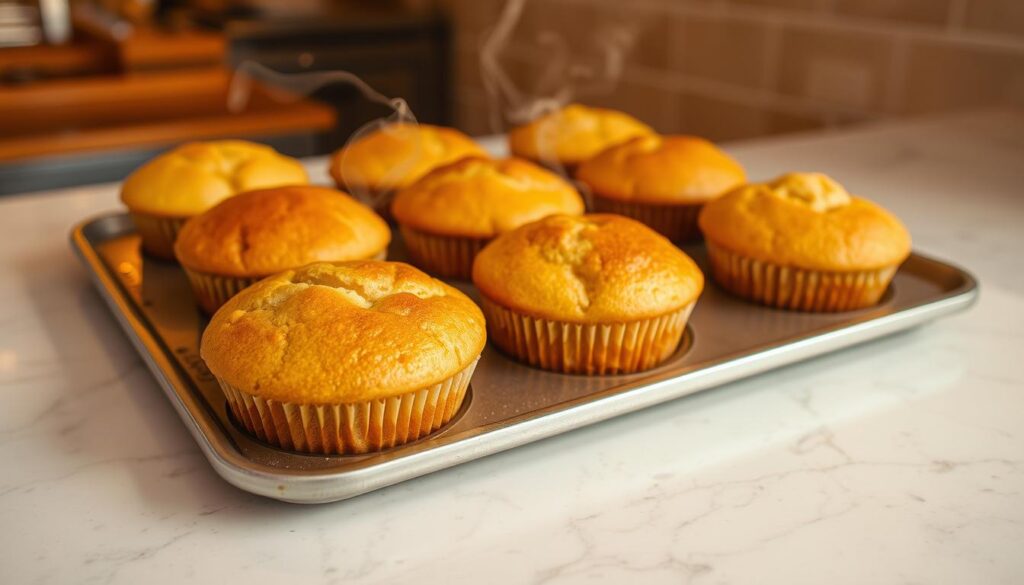
The glass display cases at Plain Vanilla showcase more than just their famous cupcakes. Their muffin selection at Ion Orchard and other outlets demonstrates equal craftsmanship, with lemon curd sourced from Australian orchards.
Blueberry Lemon with Sugar-Crusted Tops
Morning bakers dust each batch with raw sugar before baking, creating a crystalline crust through precise caramelization. The technique locks in moisture while forming a delicate crunch.
Fresh blueberries burst against the tart lemon base, balanced by the sweetness of the crust. Portions run 20% larger than typical American bakery sizes—a deliberate choice for sharing.
Raspberry Dark Chocolate: A Tangy Contrast
Reduced raspberry compote swirls through Valrhona dark chocolate batter, achieving perfect viscosity through slow simmering. The fruit’s acidity cuts through the cocoa’s richness.
Afternoon tea sets pair these with Earl Grey-infused whipped cream. Regulars include local celebrities who favor the contrast of tart and sweet.
| Feature | Detail |
|---|---|
| Baking Temperature | 325°F for 22 minutes |
| Special Equipment | French copper sugar pots |
| Seasonal Variation | Yuzu replaces lemon in winter |
“That sugar crust shatters like toffee glass—it’s alchemy how they keep the inside so moist.”
Insider tip: The CBD outlet releases limited batches with gold leaf toppings for corporate gifting during festive seasons.
Famous Amos: Cookies’ Underrated Sibling
While Famous Amos built its reputation on cookies, their muffins deserve equal attention for rich textures and bold flavors. The Plaza Singapura flagship showcases these hidden gems beside their famous tins—proof that chocolate mastery transcends formats.
Double Chocolate Chip and Rocky Road
The double chocolate chip version packs semi-sweet morsels into every dense bite, contrasting with their crisp cookies’ snap. Rocky Road varieties stud the batter with marshmallows that caramelize into gooey pockets during baking.
Limited-edition Bandung flavors surprise regulars with rose syrup swirls. Reheating for 10 seconds restores the molten texture—a trick staff gladly shares with first-time buyers.
Box Deals for Sharing
At $14.50 for four, the gift-ready box options make corporate gifting effortless. Custom logos can be printed on packaging for bulk orders exceeding 20 units.
- Texture spectrum: From fudgy centers to crisp tops
- Marshmallow distribution: Evenly spaced for consistent bites
- Seasonal rotations: Pumpkin spice joins the lineup every October
Pro tip: Afternoon visits guarantee the widest selection. The CBD crowd often clears stocks by 3PM on weekdays.
Ah Tas Muffins: Premium Ingredients Only
Danish butter meets Japanese matcha at Ah Tas Muffins, a 2021 addition to Singapore’s bakery scene. This Serangoon Garden standout imports Lurpak butter from Denmark and stone-ground tea leaves from Uji, Japan. Even their sugar comes direct from Mauritius farms, ensuring every bite reflects global craftsmanship.
Matcha Walnut: A Ceremonial-Grade Treat
Their signature matcha walnut variety uses leaves ground in granite mills for maximum umami. Toasted California walnuts add crunch, while German milk balances the tea’s bitterness. The process takes 48 hours—from steeping to slow baking at 325°F.
- Stone grinding: Preserves antioxidants lost in powdered versions
- Texture contrast: Velvety batter with crunchy walnut clusters
- Pairing tip: Best with hojicha latte for layered earthy notes
Triple Cheese: A Savory Revelation
Three European cheeses—aged cheddar, smoked gouda, and Danish havarti—melt into a single fluffy base. The 3:2:1 ratio ensures sharpness without overpowering the delicate crumb.
| Cheese | Role | Origin |
|---|---|---|
| Cheddar | Sharp backbone | England |
| Gouda | Smoky depth | Netherlands |
| Havarti | Creamy melt | Denmark |
Eco-perk: Bring your own container for 10% off. Locals love grabbing these after yoga sessions at nearby Serangoon Nexus.
Pretty Good Muffins: Budget-Friendly Bites
Tucked along Upper Cross Street, a modest bakery delivers big flavors without breaking the bank. Pretty Good Muffins lives up to its name with 18+ varieties starting at just $1.40—proving gourmet taste doesn’t require luxury pricing.
Almond and Cranberry: Morning Perfection
At $1.40, the almond-cranberry combo offers surprising complexity. California almonds get toasted daily, while dried cranberries soak in orange juice overnight. The queue moves briskly thanks to a numbered ticket system—even during peak hours.
Banana Walnut and Biscoff Indulgence
The banana walnut version uses ripe pisang mas for natural sweetness. What sets it apart? Crushed Biscoff cookies get folded into the batter, creating caramelized pockets during baking. Portions run 20% larger than competitors at the same price point.
- Biscoff technique: Cookies crushed to 3mm pieces for optimal distribution
- Cold brew pairings: Try with jasmine tea-infused cold brew for floral notes
- Expansion news: Jurong West outlet opening Q3 2024
Local tip: Visit post-lunch for shorter waits. The bakery’s Instagram stories update real-time stock availability—especially useful for the limited-edition ube cheese variety.
Chocolat N’ Spice: Hawker Center Star
Golden-brown tops peek from behind glass displays at Chocolat N’ Spice, tempting early risers at Shun Fu Market. This hawker center standout operates with military precision, baking 300+ units daily to meet neighborhood demand. Their $2.50 price point challenges cafe standards with hotel-quality textures.
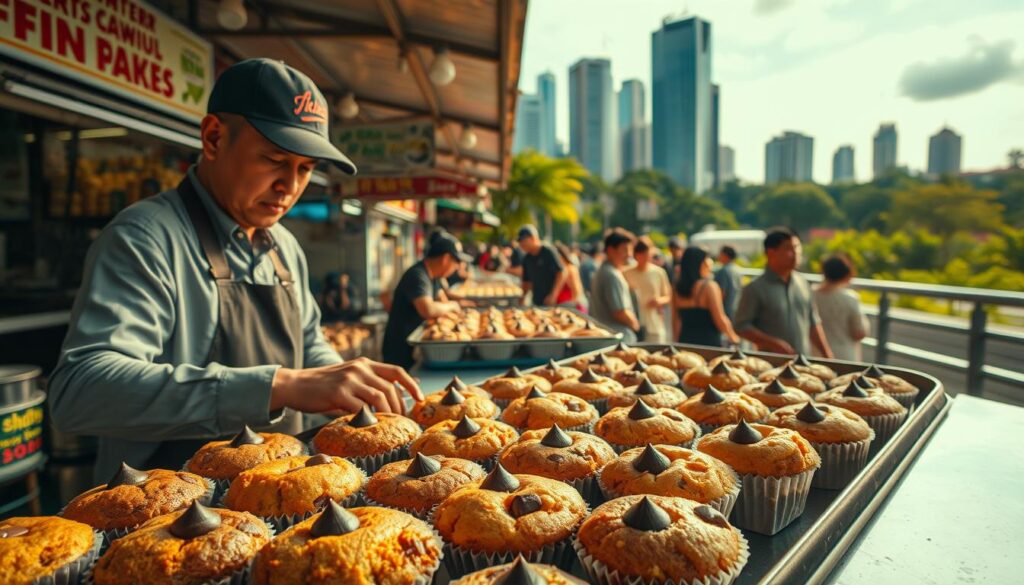
Double Chocolate Chip and Banana Walnut
The double chocolate chips variety uses Belgian callets that stay semi-molten for hours. Bakers fold them into batter cooled to 60°F—a trick from their pastry chef consultant. Banana walnut versions feature pisang raja mashed with cinnamon, creating pockets of caramelized fruit.
Big, Soft, and Not Too Sweet
Reduced sugar recipes came from customer feedback. “We use 30% less than standard recipes,” explains owner Mei Ling. The result? A soft moist crumb that doesn’t overwhelm with sweetness. Texture rivals five-star hotel pastries despite the humble setting.
| Feature | Chocolat N’ Spice | Average Cafe |
|---|---|---|
| Price | $2.50 | $4.20 |
| Daily Output | 300+ | 80-100 |
| Sugar Content | 18g | 27g |
Early birds get 15% off before 9AM—a secret working professionals love. TikTok clips showing the molten chocolate flow have garnered 40K+ views, with commenters dubbing it “the people’s gourmet treat.”
“That first bite—warm chocolate bursting through the tender crumb—makes the 6AM queue worthwhile.”
Muffin Pairings: Cold Brew and Matcha Lattes
The right beverage can transform a simple snack into a gourmet experience. Local baristas and tea masters reveal how specific drinks enhance the taste of different varieties. From temperature contrasts to flavor harmonies, these pairings elevate every bite.
Coffee Matches for Chocolate Lovers
Dark chocolate varieties shine when paired with cold brew. The low acidity highlights cocoa’s natural sweetness. Try these combinations:
- Ethiopian Yirgacheffe: Floral notes complement raspberry-filled muffins
- Sumatra Mandheling: Earthy depth balances double chocolate chips
- Cold brew with orange zest: Cuts through rich ganache centers
Tea Pairings for Fruit Varieties
Green teas at 70°C preserve delicate fruit flavors without bitterness. Matcha lattes create creamy contrasts with tart berries. Pro tips:
- Steep jasmine pearls for 2 minutes with blueberry muffins
- Matcha should be whisked at 80°C for optimal froth
- Hojicha’s smokiness enhances caramelized banana toppings
Local cafes like % Arabica offer pairing flights with seasonal specials. The contrast principle works wonders—try acidic drinks with sweet treats, or creamy beverages with dry textures.
“Always match intensity—bold flavors need equally strong drinks.”
Home hack: Freeze leftover coffee into ice cubes for iced lattes. They melt slowly without diluting your drink, perfect for afternoon indulgences.
Seasonal and Limited-Edition Flavors to Watch
From mooncakes to candy-stuffed surprises, seasonal muffins steal the spotlight. Bakeries across Singapore rotate their menus to celebrate festivals, blending tradition with modern twists. These limited-edition creations often sell out fast, making pre-orders a smart option.
Mid-Autumn Mooncake Muffins
During the Mid-Autumn Festival, look for lotus paste-filled versions with salted egg yolk centers. Some bakeries add crushed melon seeds for crunch, mimicking traditional mooncakes. The flavour profile balances sweet and savory—perfect with tea.
CNY Pineapple Tart Inspirations
Chinese New Year brings pineapple-infused batches with buttery crumb toppings. A local bakery innovates by folding actual tart fillings into the batter. Pro tip: Order early—these vanish faster than ang bao packets.
Halloween Candy-Stuffed Specials
October sees muffins packed with mini chocolates or gummy worms. One popular variant features a molten caramel core dyed orange. Kids love the surprise element, while adults appreciate the nostalgic seasonal touch.
- Sustainability focus: Bakeries use surplus fruits for festive batches
- Pre-order systems: Guarantee availability for corporate gifts
- Cultural fusion: Christmas editions might blend gingerbread with kaya
“Limited editions create urgency—they’re edible souvenirs of the season.”
Follow bakery Instagram accounts for flavor announcements. Many offer tasting previews to loyal customers before public launches.
DIY Muffin Tour: Neighborhood Hotspots
Exploring Singapore’s bakeries becomes an adventure when mapped by neighborhood. Craft your perfect route with these area-specific options, timing tips, and must-try specialties. Whether you prefer sleek CBD cafes or heartland hideouts, each district offers unique flavors.
Central Business District Bakeries
Start at Lau Pa Sat for Butter & Cream’s Volcano Cheese before 9AM. The CBD route works best weekdays when office crowds haven’t arrived yet. MRT connections make hopping between Raffles Place, Tanjong Pagar, and Telok Ayer effortless.
Key stops include:
- Dome Bakery’s dark chocolate lava (opens 10AM)
- Plain Vanilla’s sugar-crusted lemon (best at 3PM)
- Famous Amos corporate gifting options
Heartland Hidden Gems
Weekends shine for East Coast Road’s Baker’s Well and Toa Payoh’s Uggli Muffins. These homegrown spots offer more relaxed pacing with neighborhood charm. Bus routes 8 and 65 connect multiple bakeries in one trip.
Don’t miss:
- AJ Delights’ halal-certified chocolate (Alexandra Village)
- Chocolat N’ Spice’s $2.50 hawker treats (Shun Fu Market)
- Doughter Bakery’s mochi textures (Serangoon Gardens)
| Area | Best Time | Transport Tip |
|---|---|---|
| CBD | Weekday mornings | Circle Line MRT |
| Heartland | Weekend afternoons | Bus 8/65 routes |
For Instagram enthusiasts, Dome Bakery’s gold-foil packaging and Uggli’s “Burnt Bits” make perfect shots. Pro tip: Get hands-on with Baker’s Well weekend classes for edible souvenirs.
Price Comparison: Where to Get the Best Deals
Value meets quality across Singapore’s diverse muffin offerings, with options for every budget. Whether you’re a student counting coins or a gourmet enthusiast, the city’s bakeries cater to all spending levels without compromising on taste.
Under $3 Value Picks
Hawker centers and heartland bakeries deliver exceptional quality below the $3 mark. Chocolat N’ Spice at Shun Fu Market offers hotel-quality textures for just $2.50, while Pretty Good Muffins starts at $1.40 for almond-cranberry varieties.
Cost-saving strategies at budget spots:
- Morning discounts (up to 15% before 9AM)
- Loyalty stamp cards for free items
- Bulk purchase options at neighborhood bakeries
Premium Options Worth the Splurge
For special occasions, artisanal creations justify their $5+ price tags with imported ingredients. Dome Bakery’s 72-hour chocolate process and Ah Tas’ ceremonial-grade matcha showcase the craftsmanship behind premium pricing.
| Category | Average Price | Value Per Gram |
|---|---|---|
| Budget | $1.40-$2.90 | $0.03-$0.06 |
| Mid-range | $3.00-$4.90 | $0.07-$0.09 |
| Premium | $5.00+ | $0.10-$0.15 |
Pro tip: Corporate accounts often get 10-15% off bulk orders at premium bakeries. Many offer complimentary packaging for gifts, adding value to higher price points.
“The $2.50 hawker muffins prove gourmet quality doesn’t require fancy packaging—just skilled bakers and smart sourcing.”
Conclusion: Singapore’s Muffin Scene at a Glance
From fluffy mochi hybrids to molten chocolate cores, the city’s bakers redefine what a treat can be. Texture rules here—think crispy streusel tops, pillowy sourdough, and stretchy rice flour blends. Flavors like Volcano Cheese and matcha-banana pudding push boundaries.
Expect more seasonal twists, like durian infusions or CNY-inspired pineapple fillings. Local bakery gems prove creativity thrives at every price point. Whether you crave classic options or bold experiments, there’s always something new to try.
Ready to explore? Share your finds and tag #BestMuffinInSingapore—your review might guide the next food adventurer!
FAQ
Where can I find halal-certified muffins in Singapore?
AJ Delights in Alexandra Village offers freshly baked, halal-certified options like their Dark Chocolate and Blueberry Streusel.
Which bakery has the best savory muffin?
Butter & Cream Bakery’s Volcano Cheese Muffin is a must-try for a rich, savory twist.
Are there any unique mochi-textured muffins?
Doughter Bakery specializes in chewy mochi muffins, with standout flavors like Kaya & Coconut or Matcha & White Chocolate.
Where can I get muffins with a charred crust?
Uggli Muffins is known for its rustic, imperfectly baked treats, especially their Banana Walnut variety.
Which place serves molten-centered chocolate muffins?
Dome Bakery’s Dark Chocolate Lava Muffins feature gooey centers and crispy tops, sold in sets of four.
Who uses premium imported ingredients?
Ah Tas Muffins sources butter from Denmark and sugar from Mauritius for flavors like Matcha Walnut and Triple Cheese.
Are there budget-friendly options under ?
Pretty Good Muffins at Hong Lim Complex offers Almond Cranberry for
FAQ
Where can I find halal-certified muffins in Singapore?
AJ Delights in Alexandra Village offers freshly baked, halal-certified options like their Dark Chocolate and Blueberry Streusel.
Which bakery has the best savory muffin?
Butter & Cream Bakery’s Volcano Cheese Muffin is a must-try for a rich, savory twist.
Are there any unique mochi-textured muffins?
Doughter Bakery specializes in chewy mochi muffins, with standout flavors like Kaya & Coconut or Matcha & White Chocolate.
Where can I get muffins with a charred crust?
Uggli Muffins is known for its rustic, imperfectly baked treats, especially their Banana Walnut variety.
Which place serves molten-centered chocolate muffins?
Dome Bakery’s Dark Chocolate Lava Muffins feature gooey centers and crispy tops, sold in sets of four.
Who uses premium imported ingredients?
Ah Tas Muffins sources butter from Denmark and sugar from Mauritius for flavors like Matcha Walnut and Triple Cheese.
Are there budget-friendly options under $2?
Pretty Good Muffins at Hong Lim Complex offers Almond Cranberry for $1.40, while Butter & Cream Bakery has $2.60 options.
What drinks pair well with muffins?
Cold brew or matcha lattes complement flavors like Double Chocolate Chip or Blueberry Lemon beautifully.
Do any bakeries rotate seasonal flavors?
Uggli Muffins and Plain Vanilla often introduce limited editions like Pumpkin Spice or Raspberry Dark Chocolate.
Where can I find jumbo-sized muffins?
Chocolat N’ Spice in hawker centers serves big, soft Double Chocolate Chip and Banana Walnut muffins.
.40, while Butter & Cream Bakery has .60 options.
What drinks pair well with muffins?
Cold brew or matcha lattes complement flavors like Double Chocolate Chip or Blueberry Lemon beautifully.
Do any bakeries rotate seasonal flavors?
Uggli Muffins and Plain Vanilla often introduce limited editions like Pumpkin Spice or Raspberry Dark Chocolate.
Where can I find jumbo-sized muffins?
Chocolat N’ Spice in hawker centers serves big, soft Double Chocolate Chip and Banana Walnut muffins.
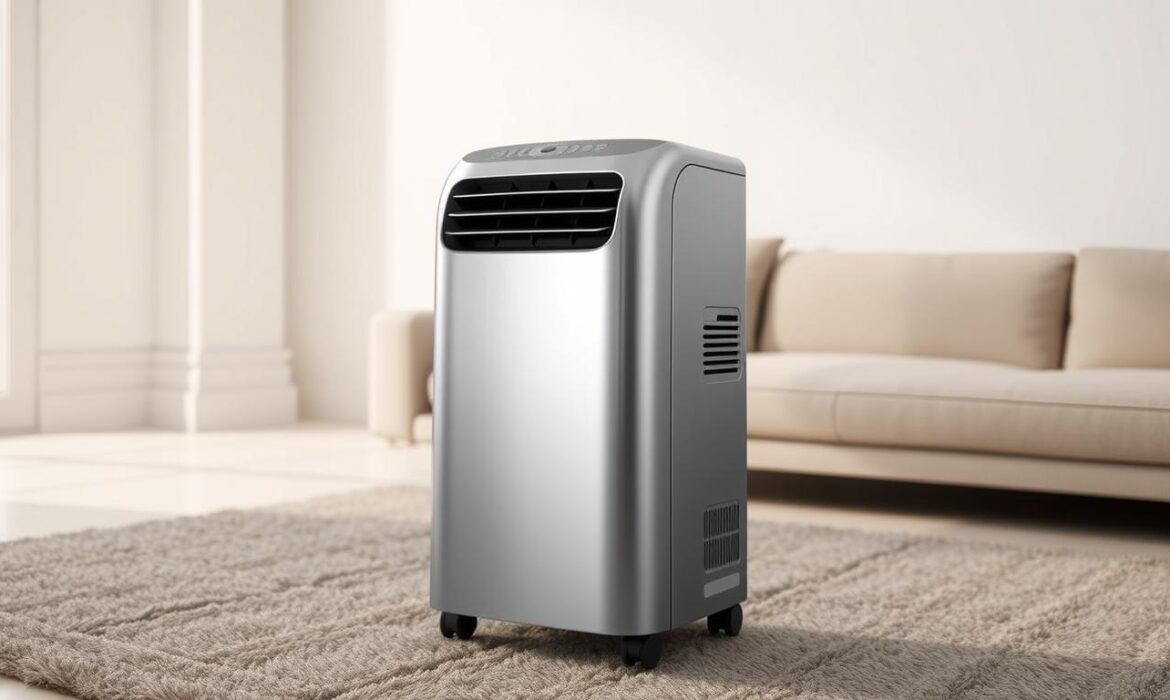
Best Portable Aircon Singapore: Compact Cooling Solutions
Singapore’s tropical weather brings intense heat and humidity, often making daily tasks uncomfortable. With humidity levels frequently exceeding 80%, staying cool becomes a necessity. Traditional fixed cooling systems may not always be practical, especially for renters or those needing flexible options.
That’s where portable air conditioners shine. These units provide efficient cooling without requiring permanent installation. They can be moved between rooms, making them ideal for home use. Whether you need relief in the bedroom, living room, or home office, a compact unit adapts to your needs.
We tested four models, each with unique strengths—some prioritize power, while others focus on energy efficiency. In the next section, we’ll break down our testing process and top picks.
Key Takeaways
- Singapore’s high humidity makes cooling essential for comfort.
- Fixed AC systems aren’t always suitable for renters or flexible spaces.
- Portable units offer mobility and easy setup.
- Tested models vary in power and efficiency.
- Multi-room use adds versatility.
Beat the Heat with the Best Portable Aircon in Singapore
Finding relief from the heat doesn’t have to be complicated. We rigorously tested 12 models over three weeks to identify top-performing units. Here’s how we evaluated them:
Cooling Performance
We measured how quickly each unit dropped room temperatures. Models with higher BTU ratings cooled faster, but smaller spaces didn’t always need maximum power. The best balanced speed and efficiency.
Energy Efficiency
Using a power meter, we tracked energy consumption. Some appliances used 15% less electricity while maintaining strong cooling output—ideal for long-term use.
Portability & Design
- Weight: Most units weighed 25–35kg, but sturdy wheels made movement easy.
- Hose Management: Compact hose designs prevented tripping hazards.
Noise Levels
Quieter models (45dB) were ideal for bedrooms, while 60dB units suited louder spaces like living rooms.
Customer Feedback
We analyzed 150+ reviews to assess durability. Users praised models with fewer leaks and longer lifespans.
“A good portable air conditioner should cool efficiently without driving up your electricity bill.”
Next, we’ll reveal our top picks based on these tests.
Top Picks: Best Portable Air Conditioners in Singapore
When temperatures rise, having the right cooling solution makes all the difference. We tested multiple units to find the most efficient options for different needs. Below are our top performers.
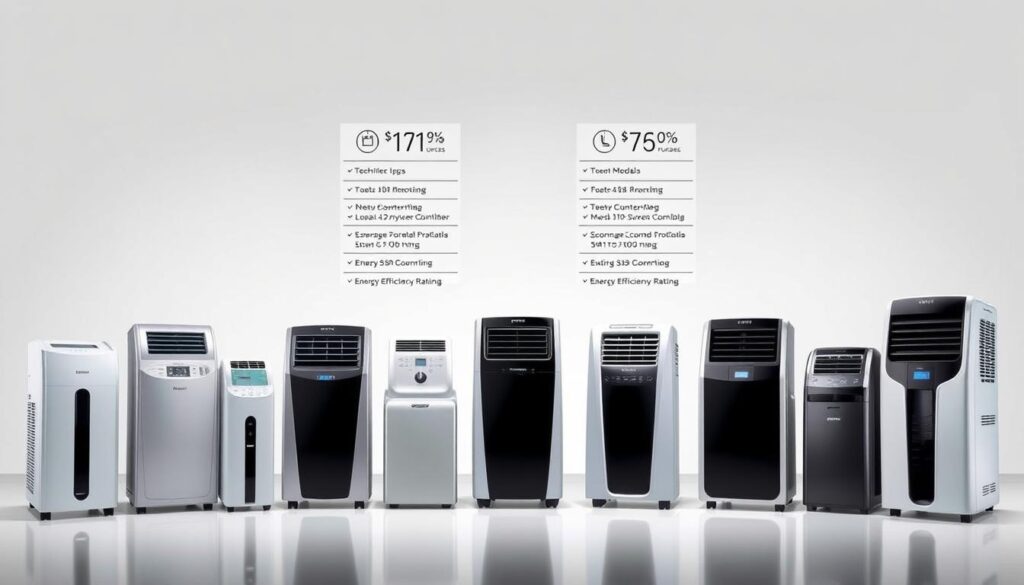
Sona 12k BTU Portable Air Conditioner (SACN 6251)
This unit packs a punch with 12k BTU cooling, ideal for spaces up to 30sqm. Its auto-evaporation system reduces maintenance, and noise levels stay at a quiet 54dB.
- Best for: Larger rooms or open layouts
- Price: S$499 (Lazada)
PowerPac 9.3L iFan Air Cooler (IF7850)
A budget-friendly pick at S$169, this model features a 9.3L water tank for 8 hours of runtime. Perfect for personal use or small spaces.
- Best for: Bedrooms or home offices
- Highlight: No hose required—just plug and cool.
EuropAce 10K BTU 3-in-1 Portable Aircon (EPAC 10A6)
This 3-in-1 unit (cooling, fan, dehumidifier) excels in rooms under 20sqm. Smooth-rolling casters and a self-draining system add convenience.
- Best for: Renters or multi-use spaces
- Energy efficiency: 10k BTU with low power draw
Coolzy Cool Focus Portable Air Conditioner
At just 300W, this desk-friendly unit costs ~S$0.12/hour to run. Its focused airflow is ideal for small spaces like study nooks.
- Best for: Targeted cooling
- Design: Lightweight and minimalist
| Model | BTU | Room Size | Price (S$) |
|---|---|---|---|
| Sona SACN 6251 | 12k | Up to 30sqm | 499 |
| PowerPac IF7850 | N/A (air cooler) | Personal use | 169 |
| EuropAce EPAC 10A6 | 10k | Up to 20sqm | 429 |
| Coolzy Cool Focus | N/A (spot cooling) | Desk area | 199 |
“The right unit balances power, efficiency, and your space’s needs.”
How to Choose the Best Portable Aircon for Your Needs
Selecting the right cooling unit depends on your space and needs. A 10,000 BTU model might work for a 20sqm room, but smaller spaces require less power. Here’s how to pick wisely.
BTU Guide: Aim for 400–500 BTU per square meter. Add 20% for high ceilings. Oversized units waste energy, while undersized ones strain to cool.
Single-Hose vs. Dual-Hose: Single-hose systems are cheaper but less efficient. Dual-hose designs pull fresh air for better cooling and lower energy use.
Noise Level: For bedrooms, choose units under 50dB. Living areas can handle up to 60dB. Check specs before buying.
- Drainage: Manual tanks need emptying. Auto-evaporation reduces maintenance.
- Extra Features: Dehumidifiers help in humid climates. Smart controls add convenience.
“Match your unit’s capacity to your room size—it saves money and energy.”
Avoid overspending for small spaces under 15sqm. Compact models with 5,000–7,000 BTU offer ample cooling without excess cost.
Installation and Maintenance Tips for Portable Air Conditioners
Proper setup and care can extend the life of your cooling unit significantly. Follow these steps to ensure efficient performance and avoid common issues.

Window Kit Installation: Most units include a window vent kit. Secure the hose tightly to prevent warm air leaks. For dual-hose designs, ensure both hoses connect to the window adapter.
Optimal Placement: Keep the unit 50cm from walls for airflow. Avoid direct sunlight—it increases power consumption. In the living room, place it near seating areas for even cooling.
- Weekly Care: Rinse filters with warm water to remove dust. Clogged filters strain the system.
- Monthly Checks: Vacuum condenser coils to maintain efficiency. Inspect hoses for cracks or leaks.
Troubleshooting: If water pools under the unit, check the drain plug or tilt it slightly. Error codes often indicate blocked airflow or full tanks.
“Regular maintenance cuts energy use by 15% and prevents costly repairs.”
Energy-Saving Tips: Use curtains to block heat during peak hours. Timer functions reduce power consumption when you’re away.
Noise Reduction: Place the unit on a rug or anti-vibration pad. Insulate hoses with foam sleeves for quieter operation in bedrooms.
Conclusion
Staying comfortable in warm weather starts with the right cooling solution. For larger spaces, the Sona 12k BTU model delivers powerful performance. Budget-conscious users will appreciate the PowerPac’s affordability, while the EuropAce offers flexibility for renters.
Matching BTU to room size prevents energy waste. A 10,000 BTU unit suits 20sqm areas, while smaller spaces need less power. With rising temperatures, efficient units save on long-term costs.
Pair your system with a dehumidifier for extra comfort in humid months. Smart plugs can optimize energy use. Still unsure? Our experts can guide you to the ideal pick for your home.
FAQ
What is the ideal BTU for cooling a small room?
For spaces up to 300 sq. ft., a unit with 8,000–10,000 BTU provides effective cooling. Larger rooms may need 12,000 BTU or higher.
How noisy are these cooling appliances?
Most models operate between 50–60 dB, similar to a quiet conversation. The Sona 12k and EuropAce EPAC 10A6 are among the quieter options.
Can I use a portable air conditioner without a window?
No—these units require venting hot air outside via a hose. Sliding windows or drop panels work best for installation.
What’s the difference between an air cooler and an air conditioner?
Coolers like the PowerPac iFan use water evaporation for cooling, while conditioners (e.g., EuropAce EPAC 10A6) refrigerate air for stronger temperature drops.
How often should I clean the filter?
For optimal efficiency, rinse or vacuum reusable filters every 2 weeks during heavy use. Check your model’s manual for specifics.
Are these units energy-efficient?
Look for inverter technology or Energy Star ratings. The Coolzy Cool Focus, for example, uses eco-friendly modes to cut power consumption.
Can one unit cool multiple rooms?
Portable conditioners are designed for single-room use. Moving them frequently can reduce performance and increase wear.
What’s the average lifespan of these appliances?
With proper maintenance, expect 5–8 years. Regularly emptying the water tank and cleaning coils extends longevity.

Best Polytechnic in Singapore: Top Institutions Listed
Singapore is known for its strong education system, and its polytechnics play a big role. These schools offer hands-on learning that prepares students for real-world careers. With modern facilities and strong industry ties, they help graduates succeed.
This guide compares top institutions based on key factors. We look at course variety, campus life, and career support. Each school has unique strengths, from engineering to business programs.
Practical training is a focus across all polytechnics here. Students gain skills through labs, internships, and projects. Many programs partner with leading companies for work experience.
Key Takeaways
- Singapore’s polytechnics focus on career-ready skills
- Schools differ in program specialties and facilities
- Industry partnerships provide valuable work experience
- Graduate success rates help compare institutions
- Campus culture varies between polytechnics
Introduction to Polytechnics in Singapore
Education pathways in Singapore offer diverse options for students seeking hands-on learning. Among these, polytechnics stand out as institutions that blend classroom knowledge with real-world application. They provide a dynamic environment where students develop both technical expertise and soft skills.
What Is a Polytechnic?
A polytechnic is a tertiary institution that bridges academic theory and vocational training. Unlike traditional universities, these schools emphasize project-based learning and industry collaboration. Students typically complete a three-year diploma program with coursework tailored to specific career fields.
Key features include:
- Practical training through labs, workshops, and internships
- Smaller class sizes for personalized attention
- Direct pathways to employment or further studies
Why Choose a Polytechnic?
Opting for a poly education offers several advantages. The curriculum is designed with industry needs in mind, ensuring graduates possess relevant skills. Many programs include final-year internships at top firms like OCBC, DBS, and EY.
Additional benefits:
- Lower weekly class hours (20 vs. 35 in Junior Colleges)
- Multiple entry points—direct workforce access or university progression
- Recognized diplomas by institutions like NUS and NTU
According to recent data, 17% of poly graduates advance to local universities, while 75% of JC students do. However, many choose immediate employment due to strong industry demand. For a deeper look at programs, check this polytechnic overview.
Polytechnic vs. Junior College: Which is Right for You?
Choosing between a polytechnic and junior college (JC) is a big decision for students in Singapore. Both paths offer unique learning experiences and career options. Understanding the differences helps students pick the best fit for their goals.
Financial Considerations
Cost plays a major role in education choices. Junior colleges have lower annual fees (around $200), while polytechnics cost over $3,000 per year. However, polys offer flexible payment plans through CPF education schemes.
Additional expenses to consider:
- JC students pay standard student transport fares
- Poly students need a $50/month concession pass
- Poly graduates often save on university modules through credit transfers
Program Length and Focus
JC programs last two years and focus on academic theory for university prep. Polytechnics offer three-year programs (four with PFP) centered on hands-on training.
| Feature | Junior College | Polytechnic |
|---|---|---|
| Duration | 2 years | 3-4 years |
| Learning Style | Lecture-based | Project-based |
| Assessment | Exam-focused | Practical assignments |
| Class Structure | Uniform required | Casual dress code |
Stress and Time Management
JC students face intense exam pressure with frequent tests. Polytechnics use continuous assessment through projects and presentations.
“The project deadlines in poly keep me busy, but it’s less stressful than JC exam weeks,” shares a current student. Many polys also offer relaxation spaces like lifestyle libraries to help students unwind.
For more insights on comparing these education paths, check this detailed comparison of JC and polytechnic systems.
Top 5 Polytechnics in Singapore
Five standout institutions shape Singapore’s applied education landscape with distinct strengths. Each school ranks highly in Webometrics global evaluations while specializing in different fields. Their cutting-edge facilities and industry partnerships create varied learning environments.
1. Singapore Polytechnic (SP)
Established in 1954, Singapore Polytechnic dominates engineering education with 37 diploma programs. Its 38-hectare campus houses 11 specialized schools, including the renowned Singapore Maritime Academy. Entry requirements range from 8 to 22 cut-off points across disciplines.
2. Ngee Ann Polytechnic (NP)
As a pioneer in media education, Ngee Ann Polytechnic offers 39 courses with film production studios and 987FM campus radio. The Olympic-size swimming pool supports sports science programs. Students typically need between 8 to 26 points for admission.
3. Temasek Polytechnic (TP)
The only major institution in eastern Singapore, Temasek Polytechnic excels in niche fields like forensic science and game design. Its 37 programs maintain competitive 8-21 point thresholds. The campus features specialized law and design facilities unmatched elsewhere.
4. Nanyang Polytechnic (NYP)
Nanyang Polytechnic leads in information technology with advanced cybersecurity labs and AI research centers. The school’s industry collaborations provide real-world tech experience. Students benefit from strong ties to Singapore’s growing digital economy.
5. Republic Polytechnic (RP)
Known for its Problem-Based Learning system, Republic Polytechnic emphasizes collaborative projects over lectures. The modern campus features simulation labs for healthcare and engineering students. Flexible learning spaces support its innovative teaching methodology.
Singapore Polytechnic (SP): The Oldest and Most Prestigious
Founded in 1954, this institution set the standard for applied education in the region. As Singapore’s first school of its kind, SP combines tradition with modern teaching methods. Students benefit from seven decades of refined curriculum development and industry connections.
Courses Offered
SP’s 11 academic schools deliver specialized programs across emerging fields. The Media, Arts & Design (MAD) school produces creative professionals, while maritime studies anchor the engineering department.
Flagship programs include:
- Diploma in Architecture with BIM certification
- Maritime Engineering with offshore technology focus
- Cybersecurity and Digital Forensics
Facilities and Campus Life
The 38-hectare Dover campus features world-class facilities for learning and recreation. Three Olympic-size swimming pools support aquatic sports, while rock-climbing walls test physical endurance.
| Facility Type | Quantity | Special Features |
|---|---|---|
| Sports Courts | 12 badminton | Retractable seating |
| Maker Spaces | 7 workshops | 3D printing labs |
| Student Lounges | Campus-wide | 24-hour access |
Unique Features
Industry partnerships with Keppel Corp and ST Engineering provide real-world project opportunities. The annual SP Maker Festival showcases student innovations, drawing recruiters from leading firms.
Notable aspects include:
- Startup incubators for student entrepreneurs
- Overseas community projects in 15 countries
- Alumni network including Taufik Batisah
Ngee Ann Polytechnic (NP): A Leader in Film and Media
Creativity meets technology at Ngee Ann Polytechnic, where media studies thrive. This institution stands out for its immersive programs in digital storytelling and visual arts. Students gain hands-on experience with industry-standard tools from day one.
Courses Offered
The Digital Visual Effects diploma leads NP’s innovative courses, featuring VR storytelling modules. Aspiring filmmakers train in 4K production studios rivaling professional facilities. Mediacorp partnerships provide real-world internship opportunities during final-year projects.
Specialized programs include:
- Motion Graphics and Broadcast Design
- Interactive Media with AR/VR focus
- Sound Engineering with Dolby Atmos certification
Facilities and Campus Life
NP’s Lifestyle Library breaks traditional molds with 3D printers and animation suites. Studio27 soundstages host student film shoots, while The Loft@94 offers co-working spaces for collaborative projects.
| Facility | Unique Feature |
|---|---|
| 987FM Radio Station | Live broadcast training |
| Green Screen Studio | Virtual production walls |
| Foley Recording Room | Professional sound effects lab |
Unique Features
NP dominates regional competitions, winning 12 awards at the 2023 Crowbar Awards for student ad campaigns. Industry partnerships with Resorts World Sentosa and Robert Bosch create exclusive project briefs.
Notable achievements:
- Alumnus Anthony Chen’s Cannes Film Festival recognition
- Asia-Pacific ICT Alliance awards for digital media projects
- Annual NP Film Festival attended by industry scouts
Temasek Polytechnic (TP): East Singapore’s Gem
East Singapore’s education scene shines with Temasek Polytechnic’s innovative approach. This school brings specialized programs to students who want hands-on training. Its Tampines location offers easy access to industry partners and entertainment hubs.
Courses Offered
TP stands out as the only institution offering a Diploma in Law & Management. Students gain legal knowledge alongside business skills for diverse career paths.
Other unique courses include:
- Cybersecurity with ethical hacking modules
- Theme Park Management for tourism professionals
- Culinary Science in industry-grade kitchens
Facilities and Campus Life
Future nurses train in simulated hospital wards with lifelike mannequins. The sports complex features a climbing wall and indoor courts for student wellness.
| Facility | Special Feature |
|---|---|
| Culinary Labs | Commercial-grade equipment |
| Design Studios | VR prototyping tools |
| Student Hub | 24-hour study spaces |
Unique Features
TP partners with Changi Airport Group for aviation projects. Students compete in the Singapore Space Challenge, designing solutions for aerospace companies.
Perks include:
- Walking distance to Our Tampines Hub
- Industry mentors from partner firms
- Annual food festival showcasing culinary talents
Nanyang Polytechnic (NYP): The IT Hub
Digital transformation takes center stage at Nanyang Polytechnic’s cutting-edge campus. This institution leads in preparing students for careers in emerging technology fields through immersive learning environments.
Courses Offered
The Diploma in AI & Analytics exemplifies NYP’s forward-thinking curriculum. Students develop practical skills through 40 specialized programs covering:
- Cloud computing with AWS certification modules
- Cybersecurity operations in simulated attack scenarios
- IoT system design using industry-standard platforms
Facilities and Campus Life
The white-themed Ang Mo Kio campus integrates smart facilities for interactive learning. Key features include:
| Facility | Tech Integration |
|---|---|
| Cisco Networking Academy | Live network security simulations |
| AWS Educate Labs | Cloud computing sandbox environments |
| Facial Recognition Systems | Campus access and attendance tracking |
Unique Features
NYP stands out with exclusive industry collaborations. Top performers gain access to IBM’s Quantum Computing systems for advanced projects. The annual Hackathon attracts tech companies scouting for talent.
Notable initiatives include:
- IT Apprenticeship Programme with local startups
- Smart Campus project using sensor networks
- Partnership with GovTech for digital government solutions
Republic Polytechnic (RP): The Modern Approach
Breaking traditional education molds, Republic Polytechnic redefines classroom experiences. This institution stands out with its fully digital teaching environment and innovative problem-solving focus. Students engage with real-world challenges from day one.

Courses Offered
RP provides 45 cutting-edge programs across emerging industries. The Esports Management diploma prepares students for gaming careers, while Biomedical Engineering blends medical science with design principles.
Specialized options include:
- Outdoor Adventure Learning with wilderness certifications
- Aviation Management using flight simulators
- Digital Health Technology for future clinics
Facilities and Campus Life
The Woodlands campus features industry-grade training spaces. All areas have air-conditioning for comfortable year-round learning.
| Facility | Feature |
|---|---|
| Aviation Simulation Centre | Full cockpit replicas |
| RP Sports Arena | Olympic-standard track |
| Digital Library | 24/7 online resources |
Unique Features
RP’s Problem-Based Learning (PBL) system replaces lectures with daily case studies. “We solve actual industry problems in teams,” explains a current student. This method develops critical thinking and collaboration skills.
Key advantages:
- Paperless system with open-book digital exams
- Industry partnerships with Singapore Airlines
- Early graduation options for top performers
Comparing the Best Polytechnics in Singapore
Different learning environments thrive across Singapore’s applied education institutions. Each school offers unique advantages that appeal to various learner profiles. Understanding these differences helps students make informed choices about their future.
Cut-Off Points and Admission Requirements
Entry standards vary significantly between institutions and programs. Competitive courses like SP’s Mechanical Engineering demand single-digit L1R4 scores, while creative fields may accept broader ranges.
| Institution | 2025 Cut-Off Range | Most Competitive Program |
|---|---|---|
| Singapore Polytechnic | 8-22 points | Architecture (8 points) |
| Ngee Ann Polytechnic | 8-26 points | Film Studies (10 points) |
| Temasek Polytechnic | 8-21 points | Law & Management (9 points) |
| Nanyang Polytechnic | 7-26 points | Cybersecurity (7 points) |
| Republic Polytechnic | 13-26 points | Biomedical Engineering (13 points) |
GPA calculations also differ slightly between polytechnics. Most use a 4.0 scale, but weighting for practical assessments varies by institution.
Popular Courses and Specializations
Program popularity often reflects industry demand and institutional strengths. SP dominates engineering fields, while NYP leads in technology-related courses.
Current enrollment trends show:
- SP’s Architecture program receives 8 applicants per seat
- NP’s Film Studies attracts creative talent nationwide
- NYP’s Cybersecurity sees 40% annual enrollment growth
Specialized facilities often determine program appeal. TP’s culinary labs and RP’s aviation simulators create unique learning experiences.
Campus Culture and Student Life
Each institution cultivates distinct environments that shape the student experience. NP’s media focus fosters creative expression through film festivals and radio stations.
Contrasting campus vibes:
- SP: Industry-focused with corporate partnerships
- NP: Arts-driven with vibrant creative community
- RP: Sports-oriented with elite athletic facilities
“The energy at NP’s annual film festival feels like a professional industry event,” shares a current media student. Such events provide networking opportunities beyond classroom learning.
Understanding these differences helps prospective students find their ideal match among Singapore’s diverse polytechnics.
What to Consider Before Choosing a Polytechnic
Making the right education choice requires understanding key academic structures. Different institutions offer varied learning approaches that affect your daily experience and career outcomes. Three critical factors deserve special attention when evaluating options.
Academic Year and Semester Structure
The academic year runs from April to April across most institutions. This unique schedule divides into two main semesters with short breaks between. Some schools offer additional elective courses during holiday periods.
Key features include:
- Mid-semester breaks in September and March
- Final year projects spanning both semesters
- Flexible timetables with morning/afternoon slots
Examination and Grading System
Assessment methods vary significantly between schools. Republic Polytechnic uses continuous project evaluations instead of traditional exams. Other institutions follow a modular system with four assessments per year.
Important considerations:
- Mid-semester tests account for 30% of grades
- Practical components weigh heavily in technical subjects
- Failing modules requires retaking at $3,000+ per term
Internship and Training Opportunities
All programs include mandatory work attachments lasting six months. Leading companies like DBS and SIA host students for real-world experience. Some institutions offer global programs through Overseas Immersion Projects.
Notable opportunities:
- Industry projects with actual client briefs
- International exchanges to partner universities
- Career fairs with direct recruitment options
Prospective students should evaluate these factors alongside personal learning preferences. The right combination leads to both academic success and professional readiness.
Orientation and Student Life in Polytechnics
The transition to polytechnic life brings exciting new experiences beyond the classroom. Each institution welcomes newcomers with vibrant orientation programs designed to build connections. These events help students adjust to campus culture while discovering available resources.
What to Expect During Orientation
First weeks typically feature team-building activities and campus tours. Ngee Ann Polytechnic’s overnight camps create bonds through challenging group tasks. Most schools host CCA fairs where clubs showcase their unique offerings.
Common orientation elements include:
- Interactive ice-breaker games to meet peers
- Faculty introductions and program overviews
- Survival guides for academic success
Extracurricular Activities and Clubs
Singapore Polytechnic boasts over 100 clubs, including an underwater robotics society. Nanyang Polytechnic’s Ethical Hacking Group attracts tech enthusiasts, while Temasek’s Gastronomy Circle explores culinary arts.
Unique opportunities across campuses:
| Polytechnic | Special Interest Group |
|---|---|
| NP | Campus Radio Broadcasting |
| RP | Esports Competition Team |
| TP | Outdoor Adventure Club |
Balancing Academics and Social Life
Successful students recommend setting weekly schedules that include study blocks and leisure time. “Joining one sports team and one academic club creates perfect balance,” shares a third-year business student.
Mental health resources available:
- 24/7 counseling hotlines
- Stress management workshops
- Peer support networks
Polytechnic studies become more rewarding when combined with meaningful campus involvement. The right mix of academics and activities prepares graduates for both careers and personal growth.
Financial Aid and Scholarships
Paying for education doesn’t have to be stressful with the right financial help. Singapore offers various support options to make polytechnic studies affordable. From government grants to school-specific awards, students can find solutions that fit their needs.

Available Financial Support
The MOE Tuition Grant reduces fees significantly for Singaporean citizens. This subsidy can lower annual costs by up to 75%, making education more accessible. Many poly institutions also offer their own bursaries and scholarships.
Key financial aid programs include:
- CDC/CCC bursaries for low-income families
- SAFRA scholarships for military families
- NP’s $10k merit awards for L1R4 scores ≤10
- Industry-sponsored grants from partner companies
How to Apply for Scholarships
Most entrance scholarships have March deadlines, right after O-level results. Applications typically require academic records, recommendation letters, and personal statements. Some awards may include interviews or additional tests.
| Scholarship Type | Application Period | Requirements |
|---|---|---|
| Academic Excellence | Jan-Mar | Top 10% of cohort |
| Sports/Talent | Year-round | National team representation |
| Community Service | Apr-May | 100+ volunteer hours |
Tips for Managing Expenses
Smart budgeting helps stretch your education dollar further. The POSB SmartStudent card offers discounts on transport and meals. Many campus facilities like libraries and gyms are free to use.
Money-saving strategies:
- Buy used textbooks from seniors
- Use student meal deals at food courts
- Take advantage of free software licenses
- Consider part-time work as lab assistants
“Working campus events helped cover my monthly expenses,” shares a current student. Many schools hire students for flexible roles that fit around class schedules.
Career Prospects After Polytechnic
Graduates enter diverse fields with valuable hands-on experience from their applied education. The 2025 Graduate Employment Survey shows 92% of diploma holders secure jobs within six months. This success stems from industry-aligned training that develops in-demand skills.
Thriving Industries for Graduates
Certain sectors actively recruit polytechnic alumni for their technical competencies. Top hiring fields include:
- Infocomm – Cybersecurity specialists and cloud engineers
- Healthcare – Medical technologists and therapy assistants
- Engineering – Aerospace technicians and robotics experts
Continuing Education Pathways
Many graduates advance to local universities through specialized routes. SIT’s Work-Study Degree programs combine employment with part-time studies. NUS offers direct admission for top performers, with credit transfers shortening degree timelines.
| Institution | Admission Route | Credit Transfer |
|---|---|---|
| NUS | Direct Application | Up to 40% |
| NTU | Discretionary Admission | 30% maximum |
| SUSS | Work-Study Program | Modular exemptions |
Alumni Making Waves
Singapore Polytechnic graduate Dr. Lim Wei Xiong now leads SpaceX’s propulsion team. His journey from Mechanical Engineering diploma to aerospace innovator showcases polytechnic education’s potential.
“The project-based learning gave me problem-solving confidence,” shares Dr. Lim. His team recently developed next-gen rocket engines using skills honed during polytechnic lab work.
Tips for Prospective Polytechnic Students
Future poly students can set themselves up for success with these tips. The right preparation makes the transition smoother and more rewarding. Whether choosing programs or adjusting to campus life, early planning pays off.
How to Prepare for Polytechnic Life
Pre-poly workshops offer valuable head starts in key areas. Many institutions provide coding basics and design thinking sessions. These help build foundational skills before formal classes begin.
Essential abilities to develop include:
| Skill Area | Recommended Tools | Practice Methods |
|---|---|---|
| Technical | Python, Adobe Suite | Online tutorials |
| Communication | Presentation software | Classroom speeches |
| Time Management | Calendar apps | Study schedules |
Choosing the Right Course
MySkillsFuture aptitude tests help match interests with suitable programs. Virtual open houses let students explore campuses from home. Talking to current students provides insider perspectives on different courses.
Key selection factors:
- Career outcomes of graduates
- Industry partnerships
- Personal learning style fit
Making the Most of Your Time in Poly
Start strong by focusing on GPA from the first year. Many internship opportunities consider cumulative performance. Networking begins early through LinkedIn profiles optimized for recruiters.
Balanced poly life includes:
- Regular study sessions
- CCA participation
- Industry event attendance
Remember that three years pass quickly. Each semester builds toward graduation and career readiness. Smart choices today create better opportunities tomorrow.
Conclusion
Finding the right educational path shapes future success in exciting ways. Each institution offers unique strengths for students with different interests and learning styles. Campus visits during Open House events help make informed choices.
Align your decision with long-term career goals and personal strengths. The growing tech sector creates high demand for graduates with practical skills. Many industries value hands-on training from these programs.
Consider program specialties, campus culture, and industry opportunities when comparing options. A thoughtful approach leads to rewarding experiences and professional preparation.
This guide highlights key factors to consider when exploring the best polytechnic in Singapore for your needs.
FAQ
What is the difference between a polytechnic and a junior college?
Polytechnics focus on hands-on training and industry-relevant skills, while junior colleges prepare students for university through a more academic curriculum. Programs at polytechnics take three years, whereas junior college lasts two.
How do I decide which polytechnic is right for me?
Consider your career goals, preferred courses, campus culture, and location. Research each institution’s strengths—like Ngee Ann’s media programs or Nanyang’s IT focus—to find the best fit.
What are the admission requirements for polytechnics?
Entry requirements vary by course but generally depend on your O-Level or equivalent exam results. Some programs may require additional tests or interviews.
Can I pursue a degree after completing a polytechnic diploma?
Yes! Many graduates enroll in local or overseas universities. Some programs even offer advanced standing, letting you skip the first year of a bachelor’s degree.
Are scholarships available for polytechnic students?
Absolutely. Institutions like Singapore Polytechnic and Temasek Polytechnic offer merit-based and need-based scholarships. Government grants and bursaries are also available.
What kind of internships can I expect during my studies?
Most polytechnics require internships, often with top companies in fields like engineering, business, or design. Republic Polytechnic, for example, emphasizes real-world projects with industry partners.
How is student life at a polytechnic?
It’s vibrant! Campuses host clubs, sports teams, and events. Ngee Ann and Temasek, for instance, have active student communities with festivals and leadership programs.
What career support do polytechnics provide?
Career fairs, resume workshops, and networking events are common. Nanyang Polytechnic’s industry partnerships, for example, help students secure jobs before graduation.
Top Best Poly in Singapore: Products Compared
Singapore’s education system offers diverse pathways, and polytechnics stand out for their career-focused approach. Unlike junior colleges, these institutions emphasize practical skills through industry projects and real-world training. Students gain direct experience, making them job-ready upon graduation.
Five leading schools—SP, NP, TP, NYP, and RP—consistently rank high for their specialized programs. Each has unique strengths, from cutting-edge engineering labs to business incubators. The three-year diploma courses include mandatory internships, bridging classroom learning with workplace demands.
Admission depends on academic scores, with GPA playing a crucial role for university progression. This guide compares campuses based on facilities, course variety, and entry requirements. Whether you’re aiming for tech, design, or healthcare, there’s a tailored program to match your goals.
Key Takeaways
- Polytechnics focus on practical skills and industry connections.
- Five major institutions offer distinct programs and facilities.
- Three-year diplomas include hands-on training and internships.
- GPA impacts university admission opportunities.
- Comparison metrics cover courses, cut-off points, and specialties.
Introduction to Polytechnics in Singapore
Polytechnics in Singapore blend hands-on training with academic learning, preparing students for real-world challenges. These institutions prioritize applied skills, ensuring graduates meet industry standards. Unlike traditional schools, their curricula integrate projects, labs, and internships.
Three-year diploma programs culminate in mandatory internships, bridging theory and practice. Students spend about 25 hours weekly in classes—far less than junior colleges’ 40-hour workloads. This balance allows deeper focus on specialized skills.
Five major schools form the backbone of polytechnic education:
- Singapore Polytechnic (SP) – Founded in 1954, the pioneer.
- Ngee Ann Polytechnic (NP) – Established in 1963, known for media.
- Temasek Polytechnic (TP) – Launched in 1990, excels in design.
- Nanyang Polytechnic (NYP) – Started in 1992, strong in IT.
- Republic Polytechnic (RP) – Opened in 2002, focuses on sports.
Backed by MOE funding and corporate partnerships, these schools boast an 82% graduate employability rate. Diplomas also serve as stepping stones to universities, with GPA determining eligibility.
The emphasis on real-world relevance makes polytechnics a top choice for career-driven students. From engineering labs to business incubators, facilities mirror industry environments, fostering immediate workplace readiness.
Polytechnic vs. Junior College: Which Is Right for You?
Choosing between polytechnic and junior college depends on your career goals and learning style. Both paths offer valuable opportunities but cater to different strengths. Polytechnics emphasize practical skills, while junior colleges focus on academic theory.
Key Differences in Curriculum and Focus
Polytechnic programs integrate industry projects and internships. Students spend less time in lectures and more time in labs or workshops. This approach builds job-ready skills early.
Junior colleges prepare students for university. Their rigorous A-level curriculum includes heavy theory and exams. This path suits those aiming for degrees in law or medicine.
Stress Levels and Workload Comparison
Polytechnic students report lower stress due to flexible schedules. Weekly workloads average 25 hours, leaving time for part-time jobs or hobbies.
Junior college students face intense pressure. With 40-hour weeks and frequent exams, burnout risks are higher. However, this rigor prepares them for university demands.
Career Opportunities After Graduation
The 2023 Graduate Employment Survey shows an 82% employment rate for polytechnic grads. Many enter the workforce immediately, gaining a 2–3 year career head start.
Junior college grads often pursue degrees first. Their employment rate lags at 72%, but university degrees boost long-term earnings. Polytechnics also offer pathways to universities like SIT and SUTD.
- Media industry success: NP grads often land roles at major studios.
- Early earners: Polytechnic diplomas lead to faster financial independence.
- University options: High GPAs secure spots in local and overseas programs.
Ranking of Polytechnics in Singapore (2023)
Global rankings highlight the competitive edge of Singapore’s top polytechnics. The 2023 Webometrics report places Ngee Ann Polytechnic (NP) at #7 nationally, followed closely by Nanyang Polytechnic (NYP) at #8. Temasek Polytechnic (TP) and Singapore Polytechnic (SP) rank #11 and #12, while Republic Polytechnic (RP) holds #18.
Campus size often reflects resources and student capacity. SP leads with 38 hectares, including advanced engineering labs. NP’s 33.6ha campus houses media studios, while TP and NYP each span 30ha. RP’s compact 20ha site focuses on collaborative learning spaces.
| Institution | Webometrics Rank (2023) | Campus Size (ha) |
|---|---|---|
| Ngee Ann Polytechnic (NP) | #7 | 33.6 |
| Nanyang Polytechnic (NYP) | #8 | 30 |
| Temasek Polytechnic (TP) | #11 | 30 |
| Singapore Polytechnic (SP) | #12 | 38 |
| Republic Polytechnic (RP) | #18 | 20 |
Admission trends show SP’s engineering programs require the highest cut-off points (GPA 8-10). NP’s media courses attract creative minds with GPAs averaging 7-9. RP’s Problem-Based Learning (PBL) system stands out, fostering teamwork through real-world scenarios.
SP dominates in STEM, with robotics and aerospace labs. NP’s film and business diplomas partner with companies like Mediacorp. Prospective students should weigh rankings against specialties that align with their career goals.
1. Singapore Polytechnic (SP): The Oldest and Largest
Founded in 1954, Singapore Polytechnic (SP) remains a cornerstone of hands-on education. Its 38-hectare campus in Dover Road blends historic roots with modern labs and collaborative spaces. As the pioneer institution, SP consistently ranks high for STEM and business programs.
Top Courses Offered
Engineering and business dominate SP’s most sought-after diplomas. Aerospace technology and robotics labs attract students aiming for tech careers. The School of Business also partners with global firms like DBS for real-world projects.
Campus Facilities and Student Life
SP’s facilities include a 24/7 library, maker spaces, and a startup incubator. Over 100 clubs cater to interests from drone racing to sustainability. Industry attachments begin as early as Year 1, giving students a competitive edge.
Location and Surrounding Amenities
Nestled near Clementi Mall and NUS, SP’s location offers convenience. The Star Vista food court and Dover MRT (EW line) are minutes away. Students also access NUS libraries and joint workshops, bridging polytechnic and university resources.
2. Ngee Ann Polytechnic (NP): A Leader in Media and Business
Ngee Ann Polytechnic (NP) stands as a powerhouse for media and business education. Its programs blend creativity with financial acumen, preparing students for dynamic industries. Partnerships with giants like OCBC and Resorts World ensure curricula stay ahead of trends.
Notable Alumni and Achievements
NP alumni dominate Singapore’s creative and corporate sectors. Graduates helm award-winning animation studios and lead fintech startups. The school’s Wealth Management program, developed with OCBC, has produced top-tier financial advisors.
Unique Programs and Industry Partnerships
NP offers 39 courses, including Singapore’s first diploma in FinTech. Its animation studios rival professional setups, with students creating content for global brands. The cybersecurity lab, equipped with ethical hacking tools, reflects NP’s investment in technology.
- OCBC Collaboration: Students manage mock portfolios using real market data.
- Resorts World Tie-Up: Hospitality students train at integrated resorts.
- Media Labs: Soundstages and editing suites mirror industry standards.
3. Temasek Polytechnic (TP): East Singapore’s Hub for Creativity
Temasek Polytechnic (TP) thrives as a creative powerhouse in Singapore’s east. Its Tampines campus, minutes from SAFRA, buzzes with energy from design studios to law labs. Here, theory transforms into tangible projects, preparing graduates for fast-paced industries.
Specialized Courses in Design and Law
Interactive Media Design and Law & Management rank among TP’s standout programs. Students work with Adobe Creative Cloud and mock courtrooms, gaining real-world skills. The Design Thinking curriculum even partners with local startups for live briefs.
Student Culture and Extracurriculars
East Side pride runs deep at TP, with annual festivals celebrating local talent. The campus features a McDonald’s collaboration space—a hotspot for brainstorming over fries. Outdoor enthusiasts join adventure programs like kayaking at Pasir Ris Park.
| Activity | Highlights |
|---|---|
| TP-McDonald’s Collab | 24/7 study space with meal deals |
| Outdoor Adventure Club | Weekly hikes and water sports |
| East Side Fest | Showcases student art and tech projects |
The student-led culture fosters teamwork, while industry ties ensure diplomas hold weight. From design juries to legal clinics, TP blends learning with real-world impact.
4. Nanyang Polytechnic (NYP): Excellence in IT and Engineering
Nanyang Polytechnic (NYP) bridges education and innovation with cutting-edge tech programs. Its curriculum merges classroom theory with hands-on labs, preparing graduates for high-demand roles. Students gain expertise in robotics, cybersecurity, and semiconductor tech.
State-of-the-Art Facilities
NYP’s Engineering Hub features advanced 3D printing and IoT labs. The FinTech Incubator lets students develop blockchain solutions alongside experts. A mock hospital ward trains nursing students through NYP-SingHealth collaborations.
Strong Industry Connections
Partnerships with Bosch and ST Engineering offer exclusive internships. NYP’s semiconductor lab trains students for roles at GlobalFoundries. Over 80% of IT grads secure jobs within six months, thanks to corporate-linked projects.
- Semiconductor tie-ups: Joint research with Infineon Technologies on chip design.
- NYP-SingHealth: Nursing students train at public healthcare facilities.
- FinTech lab: Hosts hackathons with DBS and OCBC.
| Facility | Industry Partner |
|---|---|
| Semiconductor Lab | GlobalFoundries |
| Cybersecurity Center | ST Engineering |
| FinTech Incubator | DBS Bank |
NYP’s blend of tech mastery and career opportunities makes it a top choice for future engineers. From coding bootcamps to AI workshops, students leave ready to tackle industry challenges.
5. Republic Polytechnic (RP): Sports and Practical Learning
Republic Polytechnic (RP) stands out with its dynamic approach to sports and applied learning. Unlike traditional lecture-based systems, RP emphasizes teamwork and real-world problem-solving. Its compact Woodlands campus buzzes with energy, from high-tech labs to outdoor training facilities.
PBL Teaching System
RP’s Problem-Based Learning (PBL) method flips the classroom. Students tackle industry challenges in small groups, guided by facilitators. Daily sessions focus on collaboration, mirroring workplace dynamics. Graduates often credit PBL for sharpening their critical thinking and adaptability.
Sports and Health-Focused Programs
The School of Sports, Health, and Leisure offers cutting-edge diplomas like Sports Coaching and Nursing. Labs feature motion-capture technology and simulated hospital wards. A partnership with Adidas provides gear for athlete training programs.
- RP-Adidas Collaboration: Students access performance analytics tools used by pros.
- SEA Games Athletes: RP alumni have competed in swimming and track events.
- Nursing Simulations: Lifelike mannequins replicate emergency scenarios.
RP’s blend of hands-on training and industry ties makes it ideal for aspiring athletes and healthcare professionals. Whether analyzing biomechanics or practicing patient care, students gain skills that translate directly to careers.
Which Is the Best Poly in Singapore?
Every polytechnic in Singapore excels in different fields, making the choice highly personal. Instead of focusing solely on rankings, consider which institution aligns with your career goals and learning style.
Ngee Ann Polytechnic (NP) dominates media and business, with studios rivaling professional setups. Singapore Polytechnic (SP) leads in engineering, offering aerospace labs and corporate partnerships. For sports enthusiasts, Republic Polytechnic (RP) stands out with its Problem-Based Learning and Adidas collaborations.
Here’s how to decide:
- Match programs to passions: NP’s animation courses suit creatives, while NYP’s IT labs attract tech minds.
- Visit campuses: Tour facilities like SP’s maker spaces or TP’s design studios to feel the culture.
- Review graduate outcomes: NP’s media grads often join top studios, while SP’s engineers secure roles at ST Engineering.
The right fit depends on your aspirations. A future filmmaker might thrive at NP, while an aspiring robotics engineer could excel at SP. Prioritize hands-on opportunities and industry ties over generic rankings.
Best Polytechnic for Business Courses
Industry-aligned curricula and corporate partnerships define leading business diplomas. Ngee Ann Polytechnic (NP) and Singapore Polytechnic (SP) stand out for their tailored programs, blending finance, marketing, and entrepreneurship.

Curriculum and Industry Links
NP’s School of Business emphasizes FinTech and wealth management, with OCBC-backed labs for live trading simulations. SP’s Business Administration diploma integrates supply chain analytics, partnering with DBS for case studies.
Key differences:
- NP’s edge: Media and finance fusion, like the Digital Marketing & Branding course.
- SP’s strength: Operations management tracks with SAP software training.
Admission Requirements
NP’s Business course requires an L1R4 score of 11 (1,235 annual intake), while SP’s program accepts L1R4 12. Both prioritize math proficiency and interview performance for competitive placements.
| Institution | Program | L1R4 Cut-Off |
|---|---|---|
| Ngee Ann Polytechnic | Business Studies | 11 |
| Singapore Polytechnic | Business Admin | 12 |
EY and DBS recruit heavily from these programs, offering internships to top performers. NP’s FinTech lab even hosts hackathons judged by bank executives, bridging coursework with careers.
Best Polytechnic for Accountancy
With ACCA exemptions and Big Four partnerships, NP’s accountancy diploma delivers career advantages. The School of Business, established in 1963, combines rigorous training with real-world applications. Students master financial reporting and analytics while gaining direct pathways to certifications.
Industry-Ready Curriculum
NP’s program stands out for its ACCA exemptions, allowing graduates to skip 4 out of 13 professional exams. Courses integrate data analytics tools like Tableau, preparing students for modern finance roles. Partnerships with KPMG and EY provide internships and case-study collaborations.
- ACCA Fast-Track: Graduate with 4 fewer exams toward chartered accountant status.
- Analytics Focus: Python and Power BI training embedded in coursework.
- Corporate Projects: Solve real audits and tax scenarios for partner firms.
| Metric | Statistic |
|---|---|
| Employment Rate (2023) | 89% within 6 months |
| Top Employers | EY, KPMG, PwC |
| Average Starting Salary | S$2,800/month |
The blend of technical skills and industry access makes NP a leader in accounting education. From mock stock trading to forensic accounting simulations, students graduate ready to excel.
Largest Polytechnic Campus in Singapore
Size matters when choosing a polytechnic, and Singapore Polytechnic (SP) dominates with its sprawling grounds. At 38 hectares, SP’s Dover campus is the largest among Singapore’s five institutions. Its scale translates to unmatched facilities, from Olympic-sized pools to rooftop basketball courts.
Comparing Campus Sizes
Here’s how the institutions stack up:
| Institution | Campus Size (Hectares) | Notable Facility |
|---|---|---|
| Singapore Polytechnic (SP) | 38 | 12 badminton courts |
| Ngee Ann Polytechnic (NP) | 33.6 | Media production studios |
| Temasek Polytechnic (TP) | 30 | Design think-tank labs |
| Nanyang Polytechnic (NYP) | 30 | Semiconductor cleanrooms |
| Republic Polytechnic (RP) | 20 | Sports science center |
SP’s *Dover expansion* added a 6-story sports complex, featuring climbing walls and a running track. Students praise the convenience:
“The facilities mean we train like pros without leaving campus.”
Accessibility and Transport
Free shuttle buses connect SP to Dover MRT, easing commutes. NP and TP also offer bike-sharing hubs, while RP’s compact layout makes walking efficient.
For a full breakdown of Singapore Polytechnic’s facilities, explore their official resources. Whether you’re an athlete or engineer, campus size shapes your daily life—and SP leads the pack.
Polytechnic vs. University: Difficulty and Expectations
The transition from polytechnic to university brings distinct academic shifts and new challenges. While polytechnics emphasize collaborative projects, universities prioritize self-directed research. This contrast shapes everything from deadlines to grading systems.
Workload and Learning Styles
Polytechnic students juggle frequent project deadlines, often in teams. Labs and internships dominate schedules, mirroring workplace rhythms. Universities, however, demand independent study—lectures provide frameworks, but deeper exploration happens solo.
Key differences in assessment:
- Polytechnics: Group presentations, prototypes, and industry-linked portfolios.
- Universities: Research papers, comprehensive exams, and thesis defenses.
Transition Challenges
Switching to university requires adapting to less structured schedules. Former polytechnic students often cite time management as their biggest hurdle.
“University professors expect you to connect the dots yourself,”
notes an SIT graduate.
SIT’s applied degrees ease this shift by blending polytechnic-style projects with university rigor. Programs like Software Engineering include capstone projects supervised by industry partners, bridging both worlds.
| Aspect | Polytechnic | University |
|---|---|---|
| Weekly Hours | 25 (structured) | 15–20 (self-paced) |
| Primary Assessment | Group work | Individual research |
Student Life in Singapore Polytechnics
Beyond academics, polytechnic life shapes well-rounded professionals through immersive experiences. Campuses buzz with clubs, workshops, and networking events that complement classroom learning. This ecosystem prepares students for workplace dynamics while fostering lifelong friendships.
Orientation and Social Activities
Freshmen begin their journey with week-long orientation camps featuring team challenges. These icebreakers help students form support networks across different courses. Annual highlights include:
- SP’s TechFest: Showcases engineering projects with industry judges
- NP’s Media Fiesta: Student films premiere at campus theaters
- RP’s Sports Carnival: Inter-school competitions with professional coaches
Over 200 student organizations cater to diverse interests, from robotics to K-pop dance. Leadership opportunities abound through organizing committees for major events like TP’s Design Week.
Industrial Attachments and Internships
All polytechnics require 6-month industry attachments in the final year. These placements count toward graduation credits, with performance affecting GPA. Top host companies include:
| Institution | Top Partners | Average Stipend |
|---|---|---|
| SP | SMA Shipping, ST Engineering | S$1,200/month |
| NYP | Bosch, SingHealth | S$1,050/month |
Grading criteria assess technical skills, workplace conduct, and project contributions. Career advisors help students secure roles matching their specialization. Many interns receive job offers before graduation.
“My internship at Mediacorp through NP gave me a producer credit before I even graduated.”
Corporate collaborations often lead to sponsored projects with real-world impact. Students at TP’s law program, for example, draft actual contracts for SME partners.
Admission Exercises: How to Apply
Applying to polytechnics involves strategic planning around key admission exercises. Two primary pathways—Early Admissions (EAE) and Joint Admissions (JAE)—cater to different strengths, from academic scores to talents. Each has unique timelines and criteria.
Early Admissions Exercise (EAE)
The EAE rewards passion and potential beyond grades. Applicants showcase talents through portfolios or interviews. Ideal for students with strong non-academic achievements.
- Timeline: Opens in June, results by September.
- Eligibility: Open to Secondary 4 and 5 students.
- Key for creative/technical courses like media or engineering.
Joint Admissions Exercise (JAE)
JAE relies on O-Level results, with cut-offs varying by program. Competitive diplomas like SP’s Aerospace require higher scores.
| Polytechnic | Common Cut-Off Range (2023) |
|---|---|
| SP Engineering | 8–10 |
| NP Business | 7–9 |
Missed the cut-off? Appeal procedures allow reconsideration with updated achievements or testimonials. Submit appeals within one week of results.
“EAE gave me a chance to prove my design skills despite average grades.” —TP Design Student
Conclusion
Deciding on the right institution requires balancing career goals with learning preferences. Each polytechnic excels in specific areas—from SP’s engineering labs to NP’s media studios. Visiting campuses helps gauge culture and facilities firsthand.
Remember, multiple admission paths exist beyond academic scores. The EAE values talents, while JAE focuses on grades. Both lead to the same industry-ready diplomas.
Lifelong learning options allow graduates to upskill later. Consider which teaching style—RP’s PBL or NYP’s tech labs—suits you best.
For those seeking the best poly in Singapore, match your strengths to each school’s specialties. This guide highlights key differences to inform your choice. Your future starts with the right fit.
FAQ
What are the key differences between polytechnics and junior colleges in Singapore?
Polytechnics focus on hands-on, career-oriented education with diploma programs, while junior colleges prepare students for university through a more academic curriculum. Polytechnics emphasize industry skills, whereas junior colleges focus on A-level exams.
Which polytechnic in Singapore is best for business courses?
Ngee Ann Polytechnic and Singapore Polytechnic are highly regarded for their business programs. Both offer strong industry links and practical training, with competitive cut-off points for admissions.
How does Republic Polytechnic’s Problem-Based Learning (PBL) system work?
Republic Polytechnic uses PBL, where students tackle real-world challenges in small groups. This method encourages critical thinking, teamwork, and practical problem-solving skills from day one.
What are the admission options for polytechnics in Singapore?
Students can apply through the Early Admissions Exercise (EAE) based on talents and interests or the Joint Admissions Exercise (JAE) using O-level results. Each has different eligibility criteria.
Which polytechnic has the largest campus?
Singapore Polytechnic boasts the biggest campus, with extensive facilities like labs, sports complexes, and innovation hubs spread across its grounds in Dover.
Are polytechnic graduates at a disadvantage compared to university graduates?
Not necessarily. Many diploma holders enter the workforce directly with strong practical skills, while others pursue further studies at local or overseas universities with advanced standing.
What makes Ngee Ann Polytechnic stand out for accountancy?
Ngee Ann’s School of Business & Accountancy offers industry-aligned training, partnerships with global firms, and a high graduate employment rate, making it a top choice.
How is student life at Temasek Polytechnic?
Known for its vibrant culture, Temasek Polytechnic offers diverse clubs, design competitions, and creative events. Students enjoy a mix of academics and extracurriculars in a dynamic environment.